



Duke Energy Corporation (DUKE)






Summary
DUKE Chart

Duke Energy's Dividend Faces a $103 Billion Test. Here's What Investors Should Know
Duke Energy is pouring $103 billion into infrastructure while paying dividends it cannot fully cover with its own cash flow. Whether that balancing act can last depends on forces largely outside the company's control.

Duke Energy (DUK) Increases Despite Market Slip: Here's What You Need to Know
Duke Energy (DUK) closed the most recent trading day at $119.64, moving +1.23% from the previous trading session.
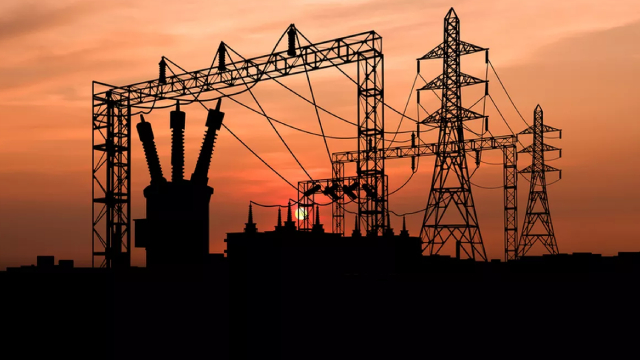
Can Duke Energy's Grid Investments Strengthen Storm Resilience?
DUK restores 10,000 customers after Hurricane Isaias, highlighting grid upgrades and a $103 billion investment plan to strengthen reliability.
Duke Energy Corporation (DUKE) FAQ
What is the stock price today?
On which exchange is it traded?
What is its stock symbol?
Does it pay dividends? What is the current yield?
What is its market cap?
Has Duke Energy Corporation ever had a stock split?
Duke Energy Corporation Profile
| Electric Utilities Industry | Utilities Sector | Harry K. Sideris CEO | XWBO Exchange | US26441C2044 ISIN |
| US Country | 26,441 Employees | 13 Nov 2026 Last Dividend | 3 Jul 2012 Last Split | 6 Apr 1983 IPO Date |
Overview
Duke Energy Corporation, along with its subsidiaries, stands as a prominent energy company within the United States, showcasing a diversified portfolio of energy operations. It conducts its business through two main segments: Electric Utilities and Infrastructure (EU&I) and Gas Utilities and Infrastructure (GU&I). With a rich history dating back to its founding in 1904 and undergoing a name change from Duke Energy Holding Corp. to Duke Energy Corporation in April 2006, the company is headquartered in Charlotte, North Carolina. Duke Energy is dedicated to providing reliable and sustainable energy solutions across the Carolinas, Florida, and the Midwest through a comprehensive mix of generation sources.
Products and Services
- Electricity Generation, Transmission, and Distribution
Duke Energy's EU&I segment caters to the generation, transmission, distribution, and retail sale of electricity in its service regions. It leverages a diverse mix of fuel sources including coal, hydroelectric, natural gas, oil, solar and wind, alongside renewables and nuclear fuel to ensure a steady and reliable supply of electricity to its customers. This segment also focuses on the wholesale of electricity to municipalities, electric cooperative utilities, and load-serving entities, emphasizing the company’s role in supporting various facets of the public and private sectors.
- Natural Gas Distribution
Under its GU&I segment, Duke Energy provides comprehensive natural gas services, ranging from the distribution of natural gas to residential, commercial, industrial, and power generation customers. The company’s dedication to expanding and enhancing its gas distribution networks is evident through its investments in pipeline transmission projects, renewable natural gas projects, and natural gas storage facilities. These efforts are aimed at ensuring the reliability of supply and the promotion of sustainable energy solutions.
Contact Information




