



Harbor AlphaEdge Small Cap Earners ETF (EBIT)
 ARCA ARCA Primary

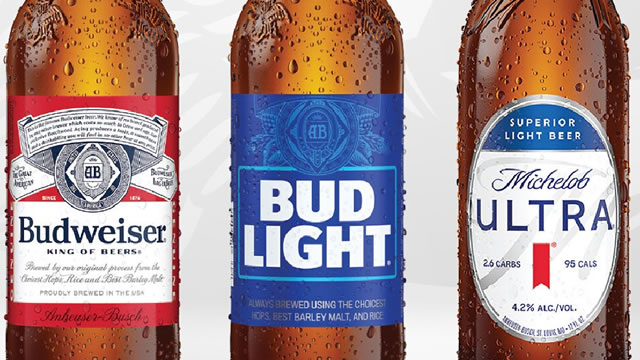
Anheuser-Busch InBev Targets 5% to 9% Annual EBIT Growth in Reignite Phase
Anheuser-Busch InBev SA/NV NYSE: BUD outlined a new medium-term target for 5% to 9% average annual EBIT growth as the brewer shifts its primary performance measure from EBITDA to EBIT, citing improved balance-sheet strength, capital efficiency and an increased focus on organic growth.

Southwest Airlines Sees Strong Demand as Initiatives Target Billions in EBIT
Southwest Airlines NYSE: LUV CFO Tom Doxey said the carrier's recent commercial initiatives have met or exceeded the company's financial expectations, while demand remained strong into September and corporate revenue increased 30% year over year.

Meta: Strong Core Business Fundamentals With CapEx Uncertainties
Meta's Family of Apps represents the best advertising business in the world, which is growing more than twice as fast as Google. The company's current low valuation is due to uncertainties regarding its huge AI CAPEX, which can be optimized at any time. In Q2, Family of Apps grew 27.5% YoY with a 46.9% LTM EBIT margin. Assuming other segments are worthless, it is valued at just 14.5x EV/EBIT.

Deutsche Post Q2 Earnings Call Highlights
Deutsche Post ETR: DHL, operating as DHL Group, reported stronger second-quarter performance as revenue rose 13% year over year and EBIT increased 30%, driven by higher shipment volumes, yield management and cost discipline. Management said the results supported an increase in its full-year EBIT outlook to more than €6.5 billion.

HF Sinclair: Renewables Are The Dark Horse Of This Fantastic Refinery Business
HF Sinclair Corporation remains a Buy as robust earnings growth and capital returns drive continued outperformance, with shares up nearly 72% since November. DINO's renewables segment has pivoted from a cash drag to a significant EBIT contributor, now delivering 87.5% margins and 21% of consolidated EBIT. Record-high crack spreads and resilient gasoline prices underpin elevated refinery margins, supporting strong GAAP EPS growth forecasts into 2026.

Vestas: Strong Execution Supports A Higher Quality Business
Vestas Wind Systems is transitioning from a cyclical turbine manufacturer to a stable, profitable renewable energy infrastructure supplier. Q1 2026 marked a turning point with 14.4% revenue growth, 3.2% EBIT margin, and $76.1 billion in backlog, signaling robust operational recovery. The fast-growing service segment, with a 16.3% EBIT margin, now anchors profitability and provides multi-year revenue visibility.

Amazon Q1 Preview: Watch The Capex And EBIT Margins Print
Amazon.com, Inc.'s 2026 capex ramp near 200 billion is broad-based, backed by customer commitments, and consistent with its long-term market-leadership investment playbook, so I see it as strategically positive. AWS is ceding some cloud market share to Azure and Google Cloud, but absolute revenue growth and remaining performance obligations still point to a strong multi‑year demand pipeline. AMZN's custom Trainium chips target superior price‑performance, with strong customer adoption, which can structurally lift AWS EBIT margins by several hundred basis points over time.

RENK Group: A Pure Play On Europe's Defense Boom
RENK Group remains a 'Buy', with 18–29% upside potential based on 2026 earnings and operating leverage from defense-driven growth. 2025 saw revenues rise 20% to €1.37B, with defense sales now 74% of the total and adjusted EBIT margin expanding to 16.9%. Guidance for 2026 targets over €1.5B in sales (10%+ growth) and adjusted EBIT of €255–285M, supporting margin expansion to 17–19%.

MTU Aero Engines: This 17% Drop Is A Buying Opportunity
MTU Aero Engines (MTUAY, MTUAF) remains a strong buy, with recent share price declines creating a more attractive long-term entry point. 2025 delivered 16% sales growth and 29% EBIT growth, with margins reaching 15.5%—years ahead of 2030 targets, despite GTF-related headwinds. 2026 guidance calls for 8.6% sales growth and 3.7% EBIT growth, with margin compression from higher GTF mix and ramp-up costs, but free cash flow could rise 19–45%.

Magna's EBIT Margin Set to Rise in 2026: What's Driving It?
MGA's margin push gains traction as cost cuts, automation and restructuring lift EBIT, with 2026 guidance signaling further expansion ahead.

LegalZoom: EBIT Needs To Grow
LegalZoom delivered a strong quarter with 18% revenue growth, accelerating subscription growth to 20% y/y, and positive ARPU trends. Retention improved, especially in younger cohorts, and DIFM/concierge services are gaining traction, supporting a healthier customer funnel and higher-value monetization. Despite gross margin expansion, rising expenses led to EBIT and net income declines; EBIT growth must align with revenue for a more bullish stance.

Electrolux: Margin Expansion Signals A Long‑Awaited Comeback
Electrolux is driving a strong margin recovery, with gross margin rising to 16.5% and EBIT margin expanding from 0.8% to 2.8% as cost cuts more than offset external headwinds. SEK 4bn in 2025 cost efficiencies and SEK 1.2bn in Q4 drove EBIT growth, with strong product cost reductions offsetting tariffs, FX pressure, and higher innovation spending. Europe and Latin America led profitability with 4.1% and 7.7% margins, while North America struggled under tariffs, FX headwinds, price pressure, and intense competitive dynamics.




