





Ethereum Name Service
ENS App and Explorer Enter Beta With ENSv2 Ready to Test
ENS launched the public Beta of its App and Explorer on Ethereum Sepolia, the final testing phase before mainnet deployment. The Beta introduces the ENSv2 upgrade flow, customizable profile themes, resolver management, and new testnet payment options.
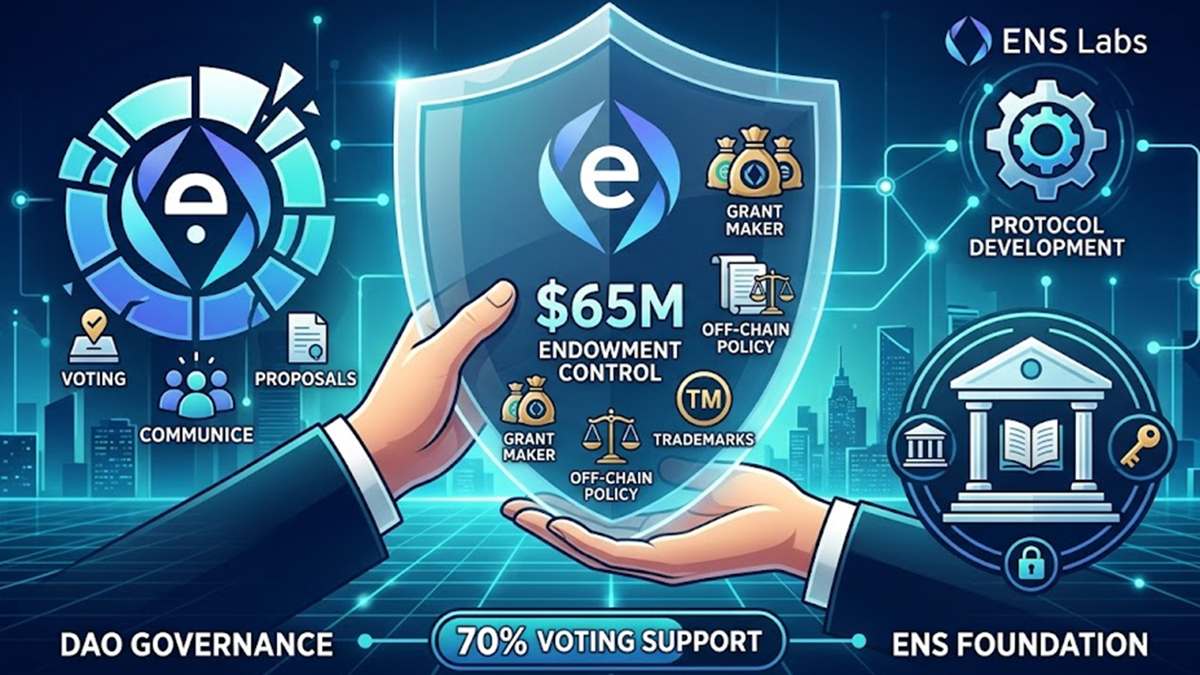
ENS Reshapes Its Governance as Foundation Takes Administrative Control of $65M Endowment
ENS token holders executed the “Next Era of ENS DAO” proposal on August 11, giving the ENS Foundation expanded operational authority, according to the ENS governance forum and the project's announcement. The vote received roughly 70% support and establishes the Foundation as a fully operational organization.

ENS Foundation gains control of $65M endowment after tokenholder vote
The ENS Foundation's control over the endowment enhances operational efficiency and legal engagement, potentially boosting ENS's global influence. ENS Foundation gains control of $65M endowment after tokenholder vote.
ENS DAO approves foundation overhaul with five-seat board
ENS DAO has approved and executed a governance proposal that turns the ENS Foundation into a full-time operating body with a five-seat board, a professional staff, and control over a roughly $65 million endowment.

ENS Labs Scales Back Treasury Proposal After Delegate Pushback
ENS Labs has revised a governance proposal after delegate criticism over treasury control, choosing to keep the DAO's primary operational wallet
ENS Labs scales back plan to move DAO treasury control after delegate pushback
ENS Labs' decision to retain DAO treasury control highlights the importance of balancing decentralization with professional governance in crypto. ENS Labs scales back plan to move DAO treasury control after delegate pushback.
ENS DAO Activates New Security Council With Power to Halt Malicious Governance Proposals
ENS DAO activated a new eight-member Security Council with authority to cancel malicious governance proposals before their execution. The council operates through a five-of-eight multisig wallet and will remain active until July 16, 2028, when its mandate expires.

ENS DAO activates two-year veto council after $20M BonkDAO attack
ENS DAO approved an eight-member Security Council with two-year veto power to stop malicious proposals during the governance timelock period

ENS DAO founder pushes new security council vote after earlier renewal veto
Nick Johnson, the co-founder of ENS, has chosen to file an executable on-chain proposal to establish a new Security Council. The proposal is set to seat the council elected from EP 6.50.

ENS DAO Mulls Governance Overhaul With Proposed 5M ENS Token Delegation
The draft proposes the delegation of 5 million ENS tokens from the inactive community treasury, without transferring economic ownership of the assets. The voting power will be fragmented into equal shares of 1 million ENS for five groups: users, integrators, developers, traditional DNS participants, and the governance community.
ENS DAO Proposes 5M ENS Delegation in Governance Overhaul
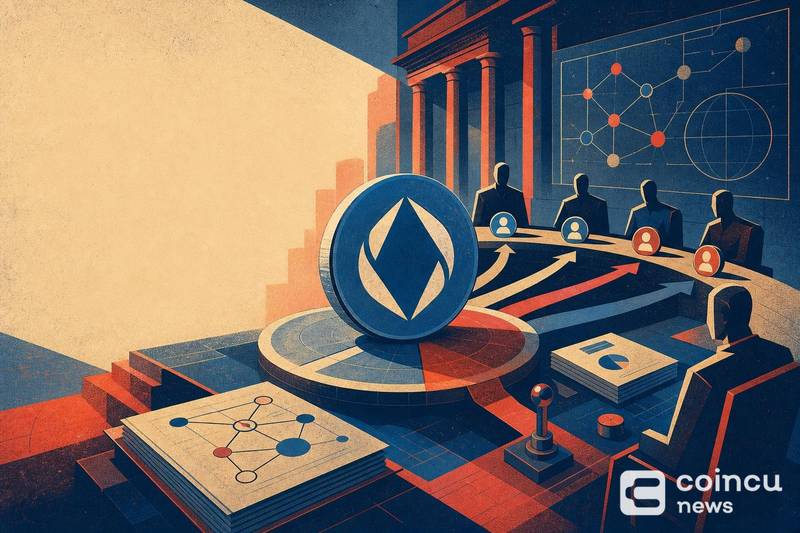
ENS DAO is considering a draft proposal to delegate 5 million ENS tokens across multiple stakeholder groups, a governance restructuring effort that could significantly reshape voting power distribution within one of Ethereum's most prominent decentralized organizations.
Ethereum Name Service co-founder proposes delegating 5M ENS tokens to reform DAO governance
Delegating ENS tokens could democratize governance, reducing power concentration and potentially easing tensions within the ENS community. Ethereum Name Service co-founder proposes delegating 5M ENS tokens to reform DAO governance.




