





Ethereum

Massive Ethereum Whale Exits With $24.5 Million Profit
One massive Ethereum (ETH) whale has just sold off all their positions, earning a massive $24.5 million profit after dumping over 52,000 ETH coins, according to blockchain analytics platform Lookonchain.
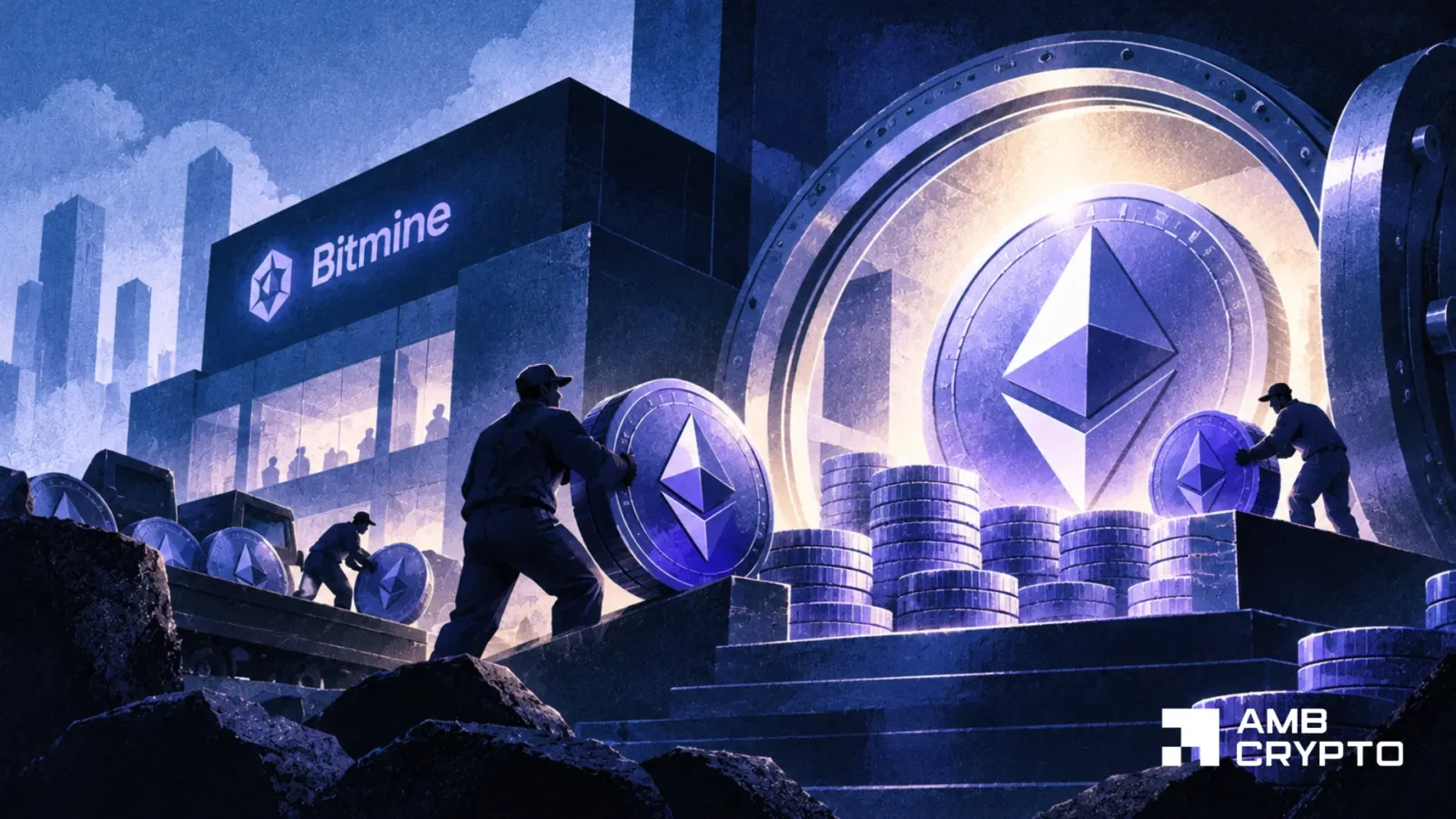
Will Bitmine outperform expected crypto bull market after acquiring another 12,532 ETH?
Can ETH's market volatility complicate its ambitious roadmap?

Bitcoin, Ethereum, Dogecoin Gain Ahead of CPI Inflation Data: ETH FOMO Surging Even as BTC, XRP 'Turn Fearful,' Says This Analyst
Leading cryptocurrencies posted steady gains on Tuesday as investors awaited September's consumer inflation data against a backdrop of elevated oil prices. Cryptocurrency 24-Hour Gains +/- Price (Recorded at 11 p.m.
Coinbase's Base launches “Earn & Borrow” for Ethereum layer-2 apps
The integration could boost Ethereum's utility and market perception, potentially influencing its adoption and future valuation positively. Coinbase's Base launches “Earn & Borrow” for Ethereum layer-2 apps.

MetaMask Begins Precautionary Ethereum Validator Exits
The exits followed a Sept. 30 infrastructure incident.

Could a $1,000 MetaMask Incident Create a $5B Ethereum Staking Traffic Jam?
The disclosure of a staking reward diversion below $1,000, attributed to a vulnerability in MetaMask staking infrastructure and described in third-party analysis as a MetaMask security breach, produced an operational decision of a different scale: the preventive exit of a validator cohort. According to third-party analysis, the cohort comprises 16,965 validators and 565,056 ETH.

Crypto bull market is back, Fundstrat's Tom Lee says, with Ether at $50,000 possible
Fundstrat's Tom Lee said crypto has re-entered a full bull market, with tokenization and institutions driving a larger cycle. He said Ether could reach $25,000 to $50,000 in this bull phase.

ENSv2 Activation: .eth Migration Is Permanent, Staying on v1 Is Not
ENS's ENSv2 plan would move new .eth registrations to v2 while letting holders stay on v1. Migrating a name, though, is a one-way trip.

Interactive Brokers Taps Zero Hash to Offer Ethereum Staking
This Tuesday, October 13, Interactive Brokers launched Ethereum staking services for eligible clients. The technical integration is powered by Zero Hash's infrastructure, enabling users to stake their ETH holdings directly from the broker's web portal. This initiative marks a key step in the convergence between TradFi and Web3.

Interactive Brokers Adds Ether Staking for Eligible Brokerage Clients
The service is supported by crypto infrastructure company Zerohash and initially allows qualifying users to stake or unstake ETH through Client Portal.
Interactive Brokers Rolls out Ether Staking With Zerohash
On Tuesday, Interactive Brokers (IBKR), the brokerage giant overseeing $964.7 billion in total client equity, announced the introduction of cryptocurrency staking services powered by Zerohash. Initially, eligible customers can stake ether (ETH) directly through IBKR's Client Portal.
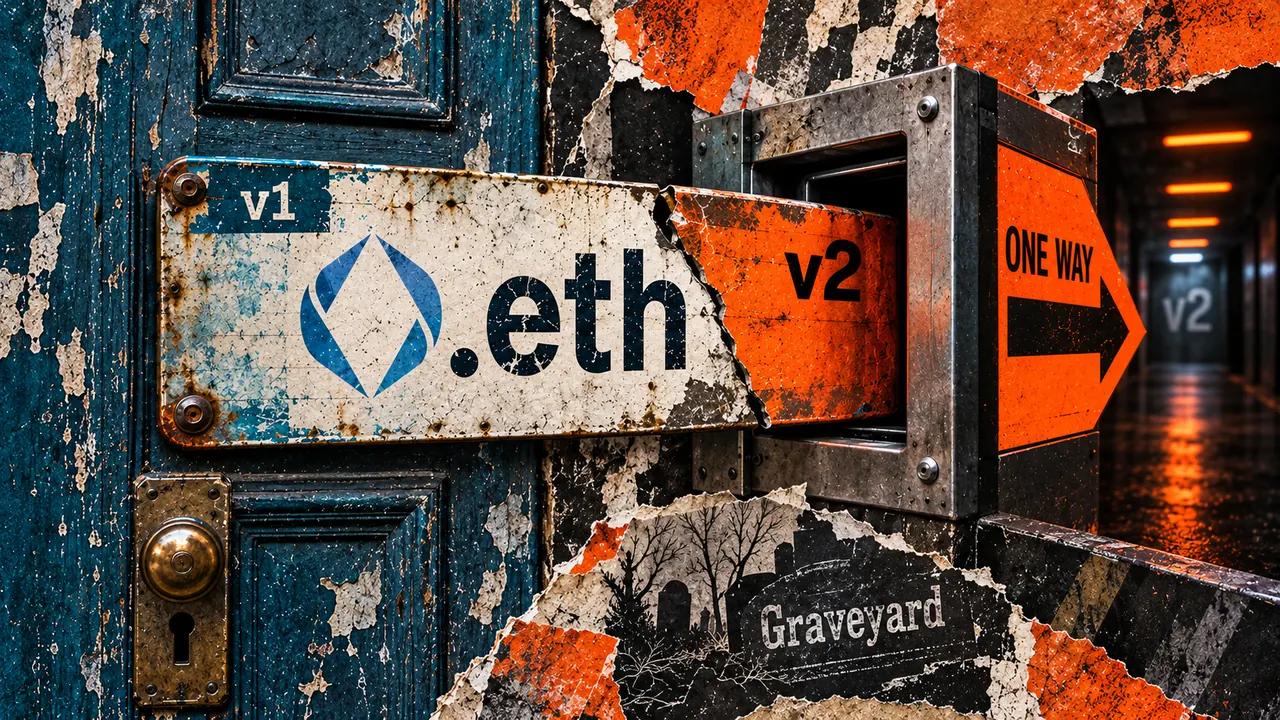
Ethereum Name Service plans major .eth overhaul with one irreversible catch for domain holders
The pending activation draft sets no migration deadline, while moving a name would permanently end its management on v1.




