


Ethereum

New Study Links Ethereum Address Errors to $575M in Lost Crypto
Researchers trace 65,340 cases to empty contract addresses, leaked keys, cross-chain reuse, and malicious EIP-7702 delegation.

Ethereum, Solana Could Turn Scarcer Than Gold By 2031: Here's the Math to Prove It
Both Ethereum (CRYPTO: ETH) and Solana (CRYPTO: SOL) are considering tokenomics changes that would make them scarcer than gold by 2031, according to a new Grayscale research note. What Would the Proposed Tokenomics Changes Actually Do?

Ethereum price eyes a breakout – Why ETH/BTC's 0.03 level is key
Ethereum's setup strengthens as ETH/BTC presses against resistance.

Ethereum and Solana Supply Growth Could Fall Below Gold by 2031, Grayscale Says
Grayscale sees ETH and SOL supply growth falling below gold as tokenomics reforms tighten issuance.

Grayscale: ETH, SOL Supply Growth Could Fall Below Gold by 2031
Grayscale projects Ethereum's annual supply inflation could shrink to roughly 0.4% and Solana's to 1.1% by 2031 if two pending network proposals pass, pushing both issuance rates below gold's roughly 1.8% annual supply growth.
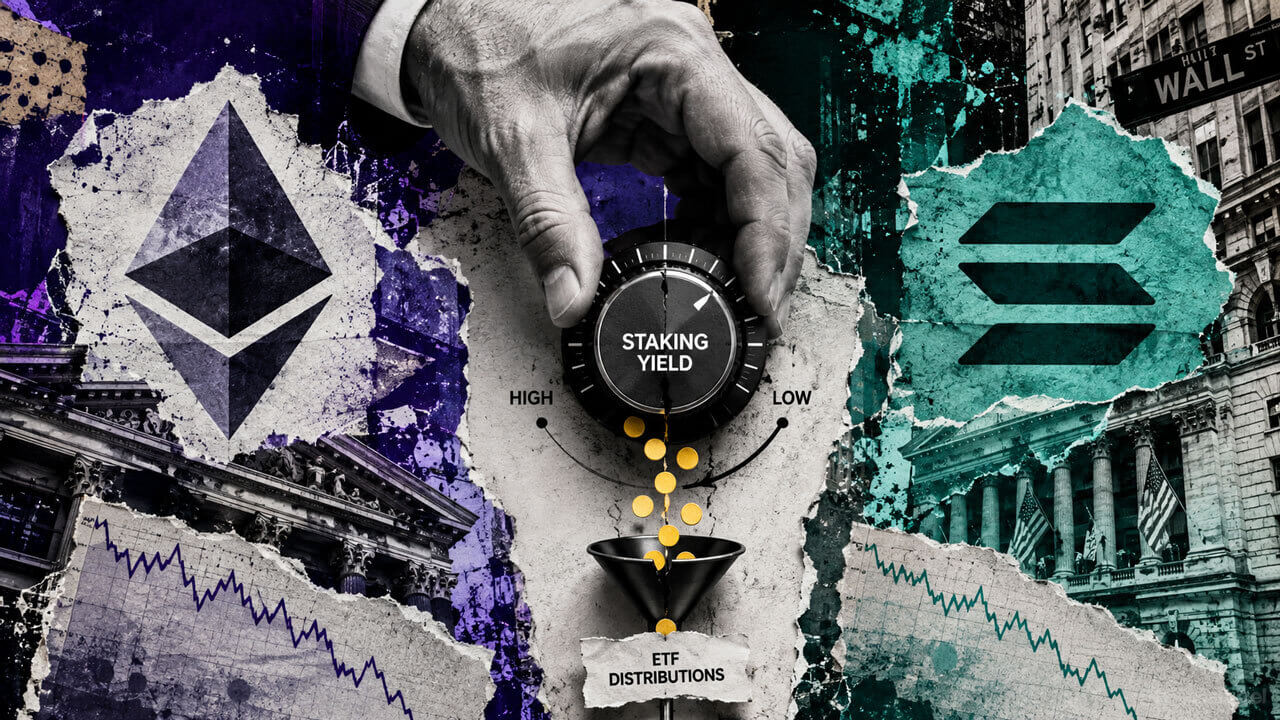
Wall Street finally turned staking into a dividend, now Ethereum and Solana want to shrink it
Grayscale's July 17 SEC filings said its Ethereum and Solana staking ETFs would convert staking rewards to cash and distribute them to shareholders at least quarterly, with the changes expected around Aug. 7. Solana and Ethereum are each weighing protocol changes that would reduce that income at the source.

Ethereum and Solana may become scarcer – THESE Grayscale projections say
Would stronger long-term price support result from lower SOL and ETH inflation?
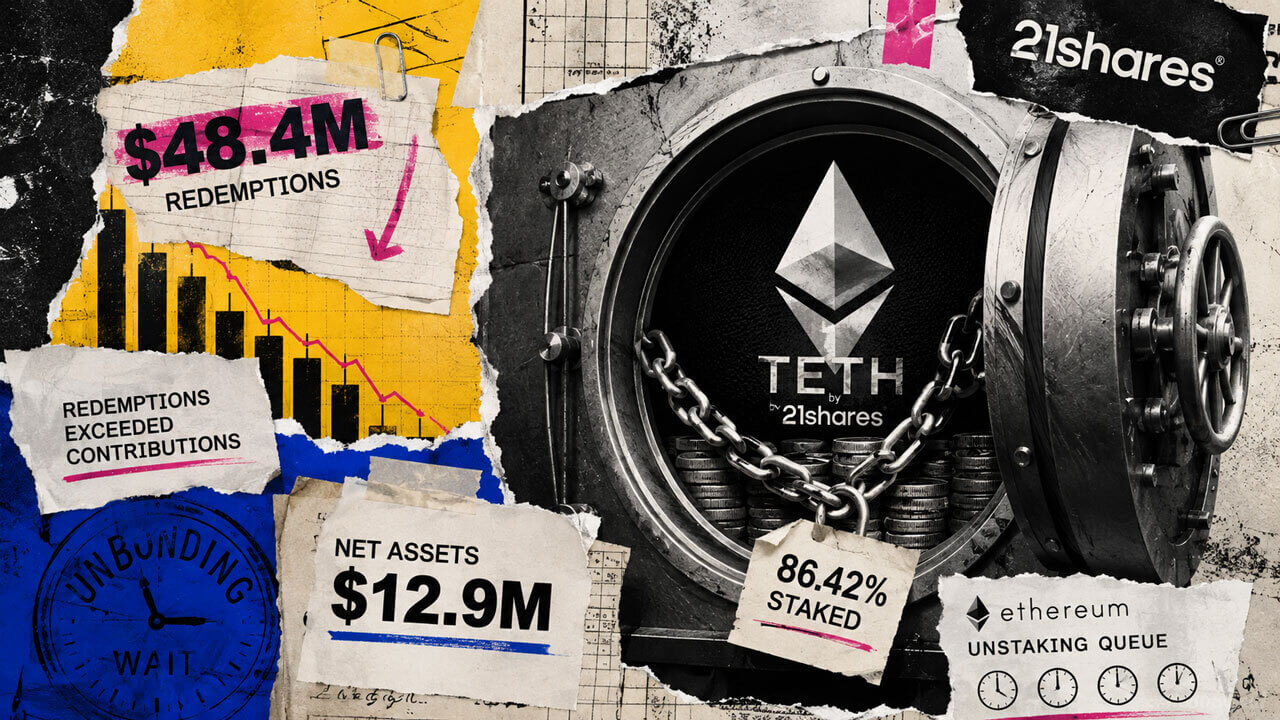
A staked Ethereum ETF processed $48M in redemptions while keeping 86% of ETH locked, 21Shares filing shows
Its new filing flags unbonding as a potential constraint but reports no failed or delayed redemption.

Ethereum Price Prediction Tests $2,000 After ETF Streak Ends
ETH reaches a triangle apex as weak sell pressure meets ETF outflows and strong BitMine accumulation.
Grayscale research head compares Ethereum to small nation
Grayscale's head of research, Zach Pandl, has shared a thought experiment on X that recasts Ethereum as a tiny country running its books through money printing rather than taxes. Pandl tagged his post as a “Quasi brainstorm on $ETH issuance.

Wall Street's private blockchain obsession is a 'race to the bottom,' Ethereum advocate Raman warns
Centrally controlled, permission-only networks have a role to play in finance, but need a transparent, open base to reap the benefits blockchain technology offers.

Ethereum (ETH) Price Stuck in Range Despite $245M in ETF Inflows – Will Support Hold?
Ethereum currently sits around the $1,875 mark following repeated rejections by sellers whenever attempts were made to push beyond $1,900. Earlier this week, ETH momentarily climbed to $1,920 before retreating into its established trading corridor.


