


Ethereum

Ethereum Proposal to Burn Validator Rewards Could Reshape ETH Supply
Ethereum researchers have proposed a major change to the networks staking economics that would gradually burn newly issued validator rewards as more ETH is staked, a move aimed at reducing inflation and strengthening Ethereums long-term scarcity. The proposal, signed by six researchers including Ethereum Foundations Justin Drake, would progressively increase the percentage of newly created ETH that is burned every epoch.
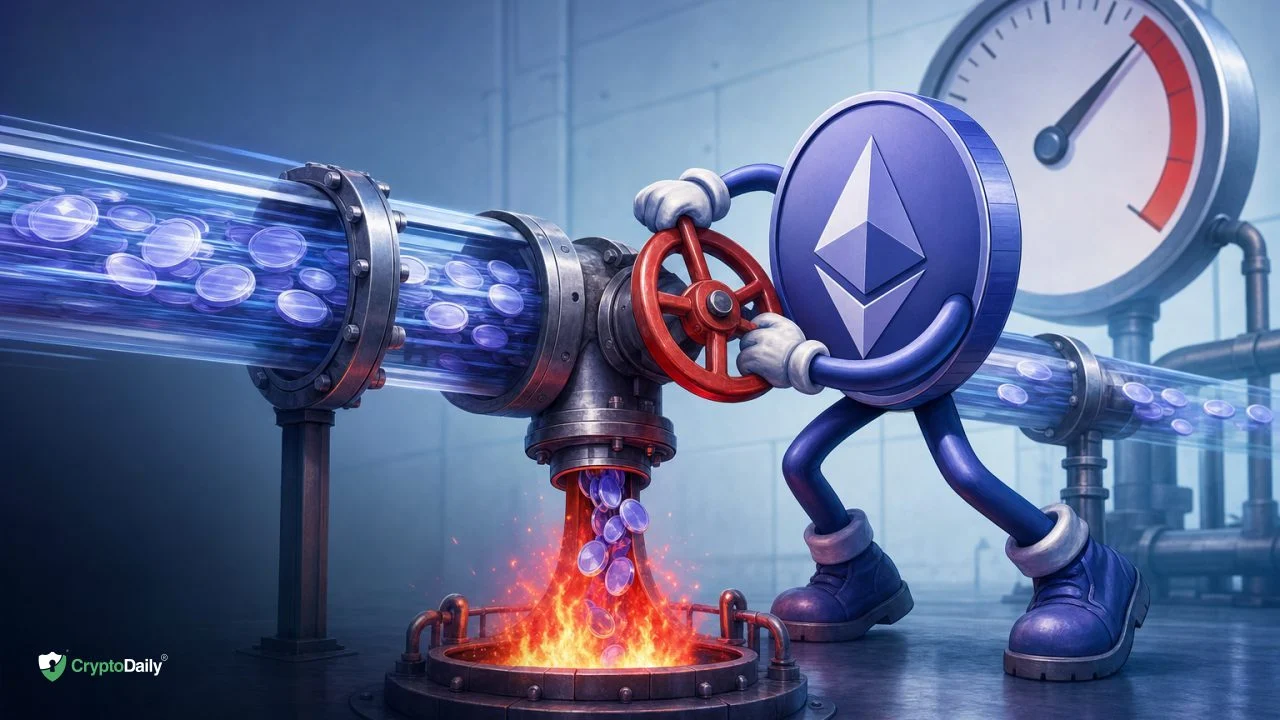
Ethereum Reward Burns Could Cap Issuance as Staking Grows
254,000 ETH issued vs 5,200 ETH burned in 90 days shows supply pressure as staking rises. We map scenarios where reward burns could cap issuance and what to watch.

A Decreasing Issuance for Ethereum? A New Proposal Sparks Debate
Since the transition to proof of stake in 2022, the reward mechanisms for validators have taken a central role in discussions around the network. A new proposal today rekindles this debate by suggesting a progressive reduction of rewards paid to staking participants.

New Ethereum proposal would cut issuance to zero if staked ETH reaches $112 billion
The EIP-8361 draft proposal calls for burning a rising share of validator rewards as the staking ratio climbs.
‘Ethereum Should Not Be Punished for Growth': Aave Founder Slams New EIP
A fresh Ethereum proposal aimed at capping how much new ETH gets created through staking has kicked off a heated debate among developers, with Aave founder Stani Kulechov warning it could quietly weaken demand for the asset itself.

Ethereum's staking ratio reaches all-time high of 34.4%, up from 30% earlier this year
Increased Ethereum staking enhances network security and governance, potentially reducing liquid supply and influencing future price dynamics. Ethereum's staking ratio reaches all-time high of 34.4%, up from 30% earlier this year.
Ethereum EIP-8361 Proposal Aims to Reduce Validator Rewards as ETH Staking Grows
Ethereum developers have introduced a new proposal that could significantly change how validator rewards are distributed by gradually reducing staking incentives as more ETH enters the network. The draft proposal, known as EIP-8361, is currently under community review and seeks to introduce a reward burn mechanism that would eventually eliminate new staking rewards once approximately half of Ethereums total supply is actively staked.

Italy's Intesa Sanpaolo cuts IBIT shares by 94%, doubles down on Ethereum: Details
Does Intesa's IBIT decline reflect a larger shift in institutional sentiment toward Bitcoin?

Ethereum price stalls below $1,875 as US demand lags
Ethereum traded near $1,867 on Tuesday as weak US demand and a bearish 4-hour setup kept the price below a major technical and liquidity zone. Ethereum price remains trapped below $1,875 According to data from crypto.
Ethereum developers propose burning validator rewards to curb staking growth
A group of six researchers submitted a draft Ethereum Improvement Proposal that would burn a growing share of validator rewards. The plan would burn the validator rewards in accordance with how much ETH gets staked.

Ethereum staking surges by 1.4M ETH – What happens to liquidity now?
Ethereum staking surge raises fresh questions over crypto market liquidity.

Tom Lee vs. Jordi Visser on AI: Why Both Analysts Are Turning Bullish on Ethereum
The market cycle spanning 2024 to 2026 has consolidated a structural correlation between digital assets and the development of artificial intelligence.


