


Ethereum

BlackRock ETF clients purchase $51M in Ethereum
Institutional adoption of Ethereum ETFs highlights a shift towards regulated crypto investments, potentially reshaping traditional asset allocation. BlackRock ETF clients purchase $51M in Ethereum.

Ether Spot ETFs Post $105 Million Inflows for Fourth Straight Day
BlackRock's ETHA led Sept. 23 inflows with $50.8 million, followed by Fidelity's FETH with $41.3 million.

Ethereum Classic Jumps 4.7% in One Hour, Reaching $9.09
Ethereum Classic rose from $8.68 to $9.09 by 11:15 p.m. ET on Sept.

Four New Addresses Withdraw $85.7 Million in Ether From Coinbase
The addresses withdrew 31,979 ETH within seven minutes after a market pullback, at an average price of $2,679.31.

U.S. Spot Ether ETFs Draw $162.2 Million in Net Inflows
Net inflows reached a third straight trading day, led by BlackRock's ETHA with $88.1 million. Cumulative inflows since launch totaled $13,714.0 million.

Ethereum Whale Cuts 42,000 ETH After Overnight Drop, Realizing $21.12M
The address had accumulated 52,000 ETH at an average price of $2,161 over nearly two months before reducing most of the position at $2,664.

Cloudflare Exec Says Ethereum's Original Sharding Plan Could Work for Stablecoin Payments
Cloudflare's Will Papper said on Unchained Premium that shard chains were "way too difficult for DeFi" but could work for payments because "a dollar is a dollar," as Cloudflare looks for a blockchain that can carry internet-scale traffic.

Kevin O'Leary Questions Whether Ethereum Will Stay the Industry Standard, Names Solana and Avalanche as Top Alternatives
Many financial experts recognize Ethereum as an industry standard for business adoption of blockchain technology.

Kalshi denies CFTC investigation amid scrutiny of ether perpetual futures trading patterns
Kalshi's situation highlights the tension between regulatory oversight and market innovation, impacting the future of crypto derivatives trading. Kalshi denies CFTC investigation amid scrutiny of ether perpetual futures trading patterns.

Ethereum price holds above key averages despite $2,800 rejection
Ethereum price fell below $2,700 on Sep. 23 after a rally toward $2,800 stalled. The reversal brought the day's $2,648 low into focus, while US spot Ethereum ETFs had recorded two consecutive days of net inflows before the pullback.

Analysts' consensus on Ethereum (ETH) turns to a strong buy
Although Ethereum (ETH) price has been trapped in a bear market so far in 2026, down over 10% year-to-date (YTD), cryptocurrency analysts' consensus has turned bullish.
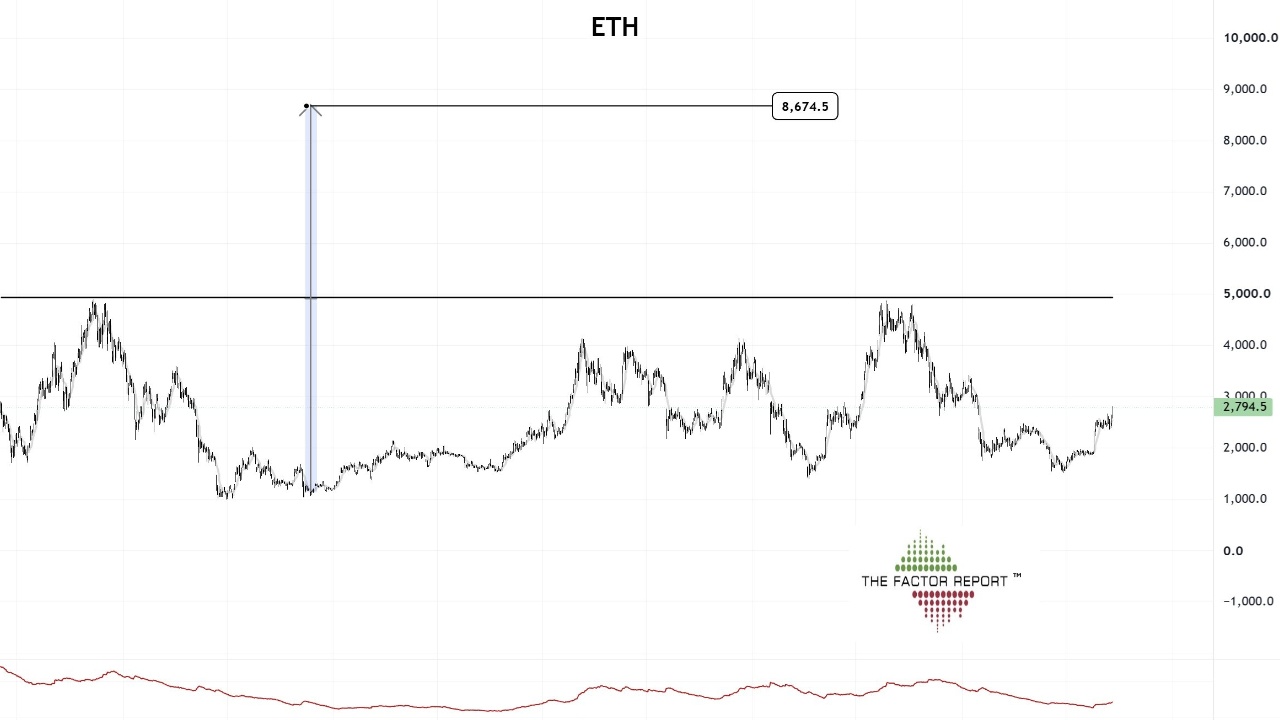
Peter Brandt Sees Ethereum at $8,600 if ETH Clears $5,000
Ethereum could eventually reach $8,600 if it first clears $5,000, according to a long-term chart posted by veteran trader Peter Brandt. With ETH trading well below that threshold, investors have a substantial price gap to watch before his scenario comes into view.


