


Ethereum
Ethereum ETFs Add $29.4M Friday As Fidelity Leads Reported Flows
TL;DR U.S. Ethereum ETFs recorded $29.4 million in net inflows on September 18. Fidelity's FETH brought in $26.2 million.

ETH Breaks Out as Whales Wake Up and Ethereum Wallets Hit Record High
ETH surged past $2,600 on Friday for the second time this month. Can this break out be different?

Ethereum Clears $2,600: Is Ideal Scenario Officially Triggered?
The second-largest cryptocurrency by market capitalization, Ethereum ($ETH), held above the psychological $2,600 mark this weekend, confirming its breakout from a prolonged, multi-month sideways trading range. The move was driven by a strong breakout candle closing near its daily highs following a tight consolidation, pushing the asset out of the $1,800–$2,000 corridor, where the coin had stagnated since the summer.

Ethereum's Glamsterdam Upgrade Sets the Stage for a Major Capacity Boost
Ethereum's Glamsterdam upgrade has cleared another important testing phase as developers prepare for a proposed October 6 Sepolia deployment. The latest devnet raised the block gas limit from 60 million toward 200 million, while Nethermind completed 2,302 performance tests.

Ethereum Price Prediction: What Happens Above $2,550?
Ethereum is testing a key resistance zone around $2,550 as ETF flows recover. A breakout could put $2,800 and eventually $3,000 back in focus.

Ethereum Price Breaks Above $2.63K as Whale Activity Rises
Ethereum breaks above $2.63K as whale activity, wallet growth, staking, and DeFi usage expand.

Can Ethereum turn Friday's price rally of 6.5% into a sustained breakout?
The world's largest altcoin is juggling several factors at the same time right now.

Ethereum Sets October 6 Glamsterdam Test as Developers Flag Builder-Auction Risk
Ethereum will activate Glamsterdam on Sepolia on October 6, while developers assess whether fake builders can disrupt ePBS testnet auctions.

Ethereum Price Breaks Above $2,600 as Whale Activity Rises—Can ETH Reach $2,800?
Ethereum price has moved above $2,600, marking its highest market value since January as rising whale activity and expanding holder participation strengthen the recovery narrative. With more than 40 million ETH staked and approximately $50 billion locked in DeFi, Ethereum's market recovery is supported by continued network participation and long-term utility.

Ethereum co-founder Vitalik Buterin argues that local AI can protect your privacy without losing speed
Faster private inference makes laptop orchestration practical, while spending authority remains behind hard limits, transaction checks and human approval.
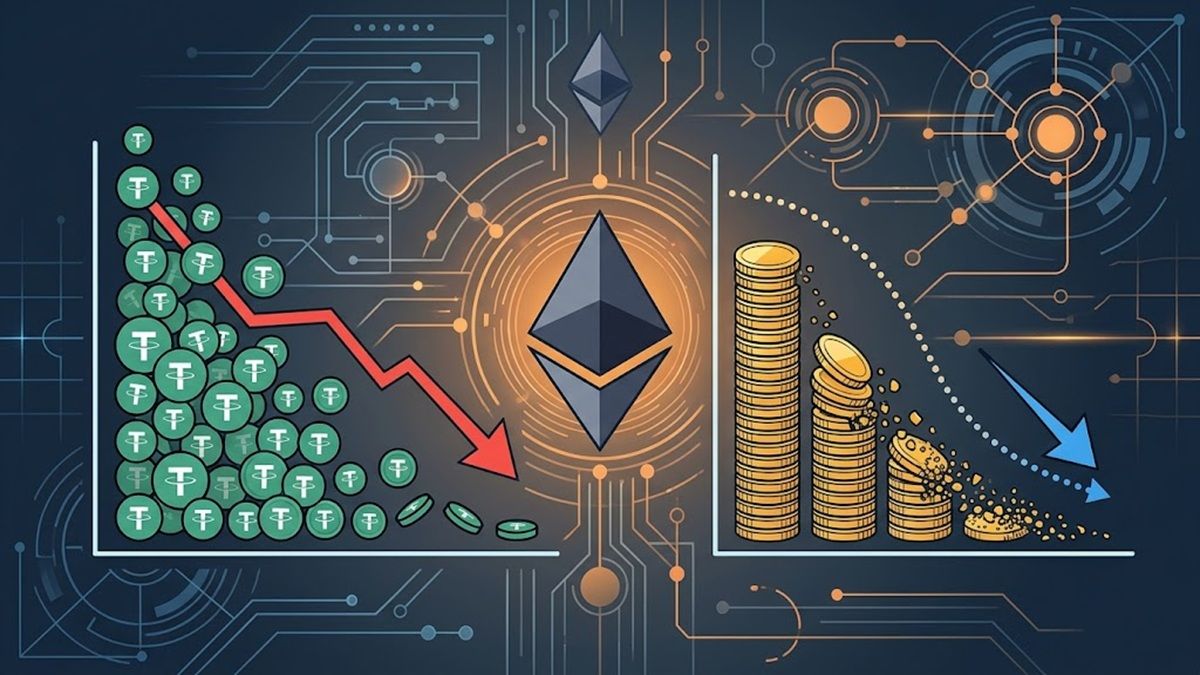
Ethereum Sees Sharp USDT Wallet Drop as Network Fees Collapse
Ethereum-based USDT has lost 251,350 non-empty wallets in just 11 days, according to Santiment data. Average Ethereum transaction costs have fallen from $0.72 in April to $0.095, an 86.8% decline. The combination of cheaper mainnet transactions, expanding Layer-2 capacity and shifting USDT balances shows how Ethereum's liquidity landscape is changing.

Fake AI trading bot tutorials steal 274.6 ETH from 224 victims
Fake YouTube tutorials promoting AI-powered crypto arbitrage bots have tricked 224 victims into deploying malicious smart contracts that stole 274.6 ETH worth about $517,000. TRM Labs said in a Sep.


