






Easyjet lifts profit guidance for holidays arm
EasyJet PLC (LSE:EZJ) lifted guidance for its Holidays business and said it expects "good profit growth" for the full year, after reporting a 21% increase in pre-tax profit to £286 million for its third quarter. The low-cost airline said seat capacity growth will moderate in the second half of the year, with available seat kilometres (ASK) set to rise around 9% year-on-year, easing to 7% in the second half from 12% in the first.

Are easyJet Shares Still Worth Buying After Iran Strikes?
easyJet shares (LON:EZJ) have had a turbulent past couple of weeks due to the conflict in the Middle East. Given the geopolitical instability in the region, it's worth assessing whether the stock is still worth buying.

EasyJet upgraded as strong travel demand meets profit-boosting efforts
EasyJet PLC (LSE:EZJ) has been upgraded by RBC Capital Markets as it sees the budget airline as "well positioned to exceed consensus expectations" in its 2026 financial year, supported by favourable foreign exchange and fuel trends as well as internal profit-improvement efforts. Several contributing factors are expected to boost profits, including reducing winter losses, "upgauging" to the lower unit-cost Airbus A320neo and A321neo aircraft, and growth of its Holidays business, all backed by data showing strong travel demand.

easyJet shares fall but outlook reassures as it refuels medium-term growth story
Interim results from easyJet PLC (LSE:EZJ) seemed to disappoint investors, sending the shares down 2% on Thursday, but commentary from analysts suggests confidence in the group's full-year trajectory remains intact, with multiple brokers reiterating their positive stance on the stock. Peel Hunt's Alexander Paterson described the first-half result as “broadly consistent with expectations,” noting that the reported loss before tax of £394 million matched consensus and was “a slight improvement YoY on an underlying basis” once the timing of Easter was adjusted for.

EasyJet losses increase due to later Easter and holiday investments
Budget airline easyJet PLC (LSE:EZJ) posted first-half results showing losses slightly larger than expectations but said current bookings put it on course to hit full-year market forecasts. The FTSE 100 company reported a headline loss before tax of £394 million for the six months to 31 March.

EasyJet cuts winter quarterly losses by 52%
A first-quarter trading for easyJet PLC (LSE:EZJ) showed a 7% rise in passenger numbers compared to a year ago and a fall in costs. Fuel costs per available seat kilometres (CASK) were reduced by 13% year-on-year in the three months ending 31 December 2024.

EasyJet still in credit but headwinds stiffening ahead of first quarter update
easyJet PLC (LSE:EZJ) along with its airline peers, has been flying high recently but headwinds are beginning to build in the shape of higher oil prices and weaker traffic forecasts and some reassurance that everything is on track with its first-quarter results next week. Oil has climbed back above US$80 a barrel recently and AJ Bell analyst Russ Mould noted airlines had enjoyed easing cost pressures in 2024 as oil prices receded.

Here's why the EasyJet share price could surge 40%
EasyJet share price has moved sideways in the past few weeks as it continued to underperform other airlines like United Airlines and IAG, the parent company of British Airways. The EZJ stock was trading at 542p, up by 95% from its lowest level in 2023.

EasyJet share price analysis: buy, sell, or hold?
EasyJet (EZJ) share price has crawled back this month after going through substantial turbulence between April and August 10, when it slumped by over 31%. It has rebounded by 26% and was trading at 513p as most airline stocks recovered.

Easyjet plane diverts to Rome after cabin crew injured by turbulence
An easyJet PLC (LSE:EZJ) plane flying to Gatwick from Corfu had to be diverted to Rome to get treatment for two cabin crew injured when the flight hit ‘extreme turbulence”. In scenes reminiscent of a Singapore Airlines flight in May when one passenger was killed, passengers on the easyJet flight said the crew were hurled against the side of the aircraft when it suddenly dropped.
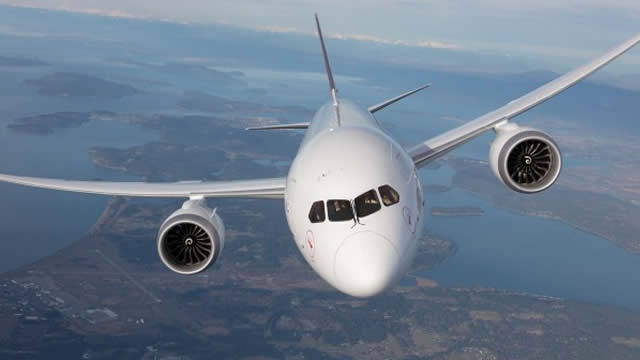
EasyJet increases profit and bookings 'on track for record summer'
Third-quarter results from easyJet PLC (easyJet PLC (LSE:EZJ)) may reassure investors after the warning from rival Ryanair earlier in the week, with the orange-branded budget airline's profits rising and summer bookings up year on year. Johan Lundgren said, "we remain on track to deliver another record-breaking summer, taking us a step closer to our medium term targets".




