



Diamondback Energy Inc (FANG)








Here's Why Diamondback Energy (FANG) is a Strong Momentum Stock
The Zacks Style Scores offers investors a way to easily find top-rated stocks based on their investing style. Here's why you should take advantage.
Why Is Diamondback (FANG) Down 1.8% Since Last Earnings Report?
Diamondback (FANG) reported earnings 30 days ago. What's next for the stock?

Exxon SVP Warns Oil Could Spike to $150-160 Per Barrel in ‘Coming Weeks'
An Exxon senior vice president just told Tom Bilyeu's Impact Theory podcast that physical Brent cargoes are heading to $150 to $160 per barrel in the coming weeks as global inventories approach all-time lows.
Diamondback Energy: The Iran Oil Rally Changes Things (Rating Downgrade)
Diamondback Energy (FANG) is downgraded to Buy after a ~40% rally, though valuation remains attractive. FANG delivered strong Q1 results, raised production guidance, expects accelerated debt reduction, and increased its dividend and buybacks. Macroeconomic risks from the Iran conflict and potential inflationary shocks warrant a higher margin of safety for oil equities.
Is Diamondback Energy (FANG) Stock Outpacing Its Oils-Energy Peers This Year?
Here is how Diamondback Energy (FANG) and Cenovus Energy (CVE) have performed compared to their sector so far this year.
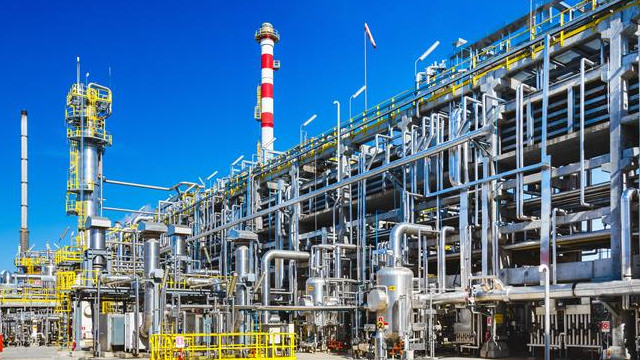
Brokers Suggest Investing in Diamondback (FANG): Read This Before Placing a Bet
When deciding whether to buy, sell, or hold a stock, investors often rely on analyst recommendations. Media reports about rating changes by these brokerage-firm-employed (or sell-side) analysts often influence a stock's price, but are they really important?

Diamondback (FANG) Q1 Earnings: How Key Metrics Compare to Wall Street Estimates
While the top- and bottom-line numbers for Diamondback (FANG) give a sense of how the business performed in the quarter ended March 2026, it could be worth looking at how some of its key metrics compare to Wall Street estimates and year-ago values.
Diamondback Energy Q1 Earnings Beat Estimates, Dividend Raised
FANG beats Q1 earnings estimates as production surges, prompting higher 2026 output guidance and a 5% dividend hike.
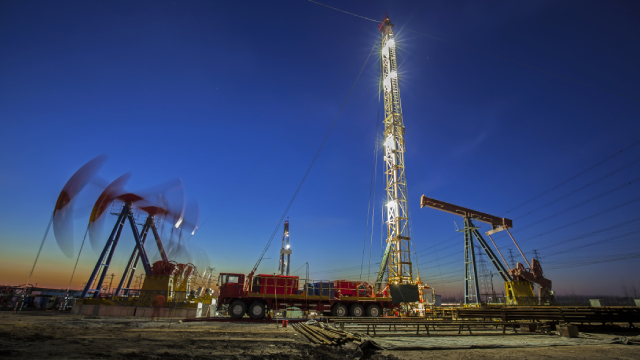
Is Diamondback Energy (FANG) Outperforming Other Oils-Energy Stocks This Year?
Here is how Diamondback Energy (FANG) and Nabors Industries (NBR) have performed compared to their sector so far this year.
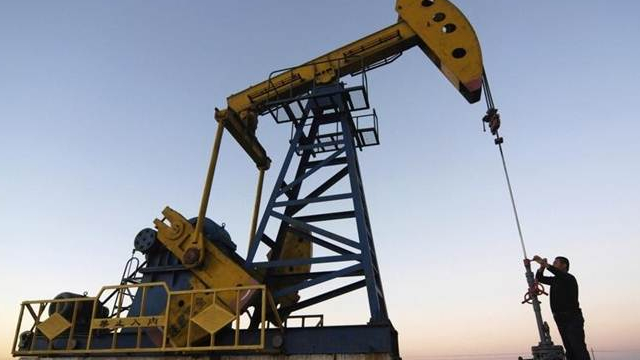
Earnings Estimates Moving Higher for Diamondback (FANG): Time to Buy?
Diamondback Energy (FANG) shares have started gaining and might continue moving higher in the near term, as indicated by solid earnings estimate revisions.

Diamondback Energy, Inc. (FANG) Q1 2026 Earnings Call Transcript
Diamondback Energy, Inc. (FANG) Q1 2026 Earnings Call Transcript
Diamondback Energy: Taking Advantage Of The Supply Deficit
Diamondback Energy pivots to organic growth as Texas acquisition targets dwindle. Management raised guidance by roughly 3%. Recent impairment charges stem from weak early-year pricing.




