






FDLO: Balancing Growth And Stability With Low Volatility
FDLO invests in about 130 low volatility large-cap U.S. stocks, balancing return and volatility with a low expense ratio of 0.15%. The fund's overweight in technology stocks, including Apple, Microsoft, Alphabet, and Amazon improves its growth potential in the long run. FDLO offers better downside protection than the broader market, particularly during market corrections, due to its focus on low volatility and value stocks.

Navigate Second Half Shocks and Volatility With FDLO
Election risk, recession risk, and more loom over second-half markets, creating the potential for heightened volatility. For those looking to dampen these potential effects within equities, the Fidelity Low Volatility Factor ETF (FDLO) may be one to consider.

FDLO: A Low-Volatility ETF With Favorable Risk-Reward
FDLO's performance reflects an optimized portfolio with relatively low volatility compared to the broader stock market index. FDLO is a fund worth considering for the long run, as it balances exposure to higher-growth areas while limiting the risk associated with more volatile names and industries. FDLO's heavy allocation to the technology is perhaps the biggest risk for this fund at this moment, as investors seem to be unwinding bullish bets on market leaders.
Can Low Volatility ETFs Safeguard Gains?
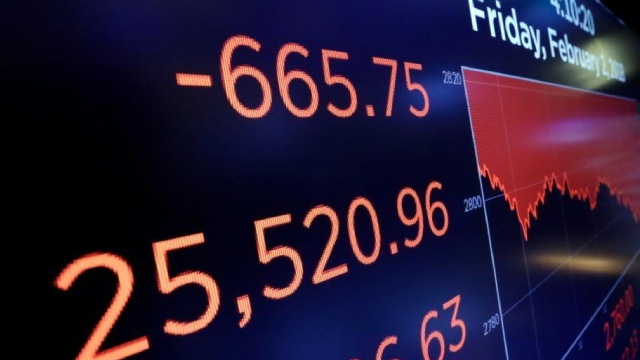
Low volatility ETFs can be used to potentially safeguard gains and protect against market turbulence. Wall Street's popular measure of expected volatility in the stock market recorded its largest-ever intraday jump on Monday.

What You Don't Know About These Vanguard And Fidelity ETFs Can Hurt Your Alpha
Vanguard offers factor-based ETFs that have shown outstanding performance compared to unmanaged, index-based comparison ETFs. Factor-based ETFs have now become mainstream investments, with a market share of over 20% globally. Assets under management for factor-based investments have grown significantly, leading many investors to include factor funds in their portfolios.

FDLO: Low-Volatility ETF Beating Competitors
Fidelity Low Volatility Factor ETF is invested in 125 stocks with relatively low historical volatility of prices and earnings. Since its inception, the FDLO ETF has lagged the S&P 500 index, but outperformed other low-volatility ETFs. FDLO risk-adjusted returns compared to the benchmark are unconvincing, but its track record is too short to assess its long-term potential.




