



Halliburton Company (HAL)












Halliburton Lands a Major Offshore Drilling Contract From Petrobras
HAL secures its largest drilling contract from Petrobras for several offshore fields in Brazil, expanding its drilling services footprint.
Bear of the Day: Halliburton (HAL)
North America is expected to be softer in 2025.
Halliburton: Tough Year Ahead
While oil and gas prices remain fairly stable, upstream activity levels appear to have peaked, particularly in North America. Weak demand growth and solid supply growth likely mean that this situation will persist, unless economic conditions soften. As a result, Halliburton's revenue and margins are likely to remain under pressure, making the company's seemingly low P/E ratio somewhat irrelevant.
What's Next For Halliburton's Stock Post Mixed Q4 Results?
Halliburton (NYSE: HAL) released its fourth-quarter earnings report on January 22nd, posting a mixed set of results, and is down 5.6% since then (as of Jan 23.) at nearly $28 per share.

Halliburton Reports In-Line Q4 Earnings Amid North America Slowdown
HAL generated $1.5 billion of cash flow from operations in the fourth quarter, leading to a free cash flow of $1.1 billion.
Halliburton's Soft Revenue Lags Estimates, Goldman Sachs Analyst Seeks Clarity On 2025 Activities
Halliburton Company HAL shares are trading lower on Wednesday.

Halliburton Company (HAL) Q4 2024 Earnings Call Transcript
Halliburton Company (NYSE:HAL ) Q4 2024 Earnings Conference Call January 22, 2025 9:00 AM ET Company Participants David Coleman - Senior Director, IR Jeff Miller - Chairman, President, & CEO Eric Carre - EVP & CFO Conference Call Participants David Anderson - Barclays Roger Read - Wells Fargo Securities Saurabh Pant - Bank of America Arun Jayaram - JPMorgan Securities Kurt Hallead - Benchmark Douglas Becker - Capital One Stephen Gengaro - Stifel Operator Good day, and thank you for standing by. Welcome to the Q4 2024 Halliburton Company Earnings Conference Call.

Halliburton Q4 Margin Drops, EPS Beats
Halliburton (HAL -3.18%), a provider of products and services to the energy industry, released its fourth-quarter 2024 earnings on January 22, 2025. The company reported an earnings per share (EPS) of $0.70, slightly exceeding the analysts' expectations of $0.69.
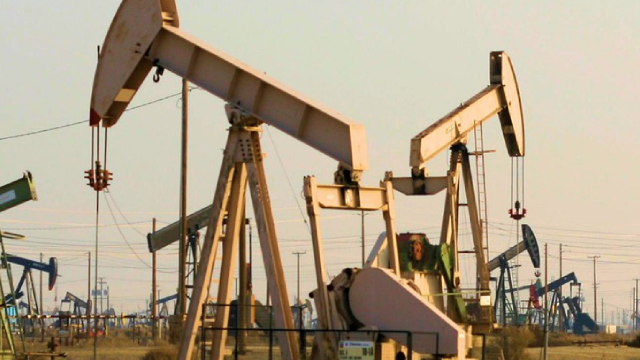
Halliburton (HAL) Matches Q4 Earnings Estimates
Halliburton (HAL) came out with quarterly earnings of $0.70 per share, in line with the Zacks Consensus Estimate. This compares to earnings of $0.86 per share a year ago.
Halliburton's quarterly profit beats on demand in international markets
Halliburton beat analysts' estimates for fourth-quarter profit on Wednesday, helped by higher demand for oilfield services and equipment from international markets, sending its shares up 1.8% before the bell.
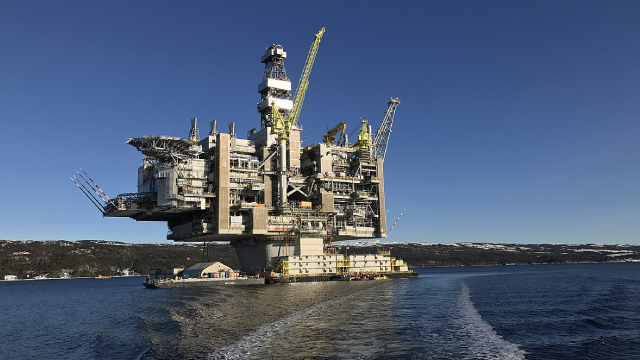
What Analyst Projections for Key Metrics Reveal About Halliburton (HAL) Q4 Earnings
Evaluate the expected performance of Halliburton (HAL) for the quarter ended December 2024, looking beyond the conventional Wall Street top-and-bottom-line estimates and examining some of its key metrics for better insight.
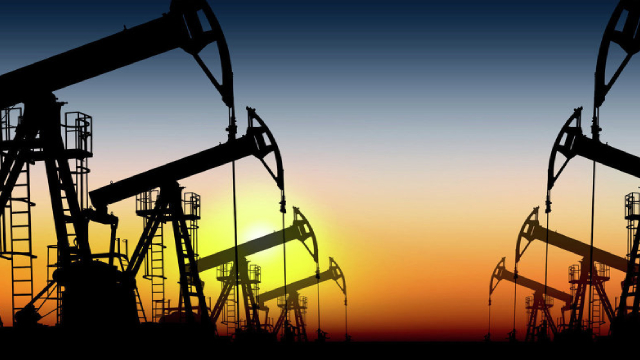
HAL Nears Deal to Increase Production From Iraq's Nahr Bin Omar Field
Halliburton is expected to help Iraq increase its production from the Nahr Bin Omar field to 300,000 barrels per day (bpd) from its current 50,000 bpd.




