



Halliburton Company (HAL)












Halliburton (HAL) Surpasses Q2 Earnings and Revenue Estimates
Halliburton (HAL) came out with quarterly earnings of $0.55 per share, beating the Zacks Consensus Estimate of $0.54 per share. This compares to earnings of $0.55 per share a year ago.
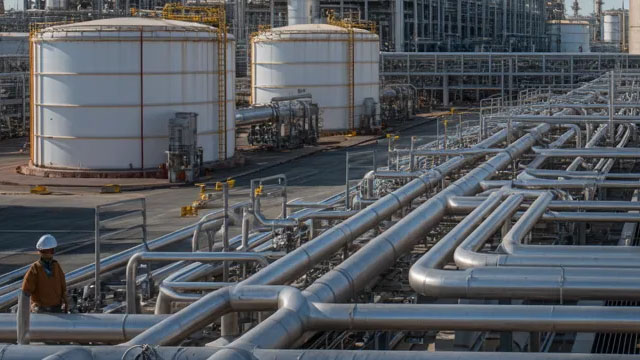
Halliburton Profit Climbs on Higher Revenue
Halliburton logged higher earnings and revenue in the second quarter thanks to gains in both its North American and overseas markets.
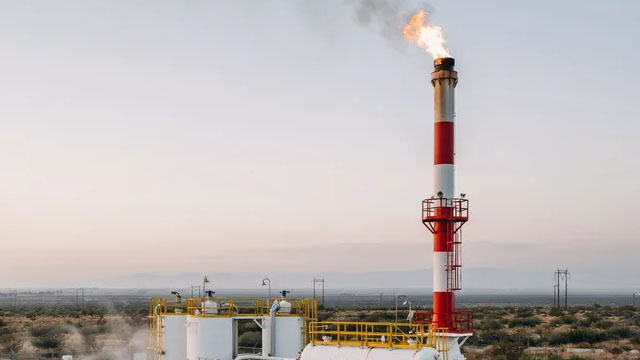
Halliburton Lands Aramco Deal for Saudi Arabia's Jafurah Gas Project
HAL secures a long-term Aramco contract for the Jafurah gas project, expanding its Saudi footprint with advanced fracturing technologies.
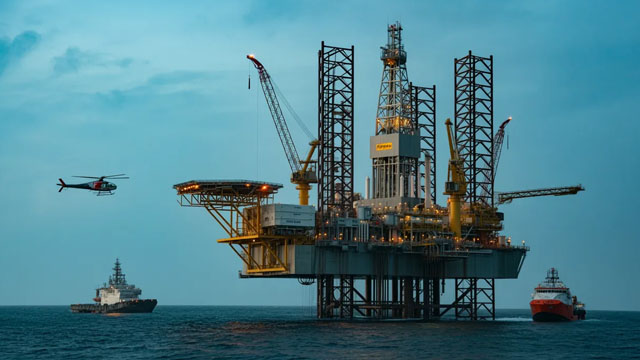
Halliburton Set to Report Q2 Earnings: Key Things To Watch
Halliburton's Q2 results might have reflected stronger completion and drilling activity, tempered by Middle East disruptions and rising costs.
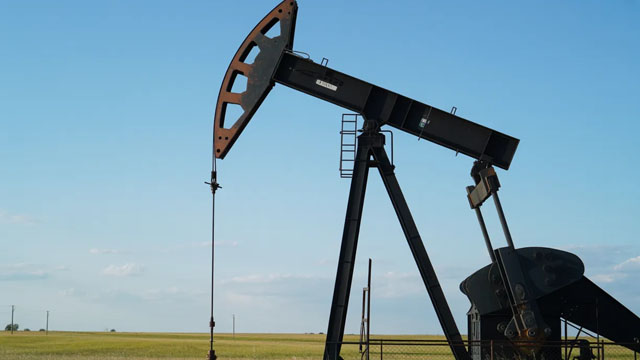
Fresh U.S.-Iran Conflicts Could Extend Energy Rally: 2 Bargains Remain
Escalating U.S.-Iran tensions are lifting oil prices, while HAL and PTEN remain below industry EV/EBITDA averages after strong rallies.
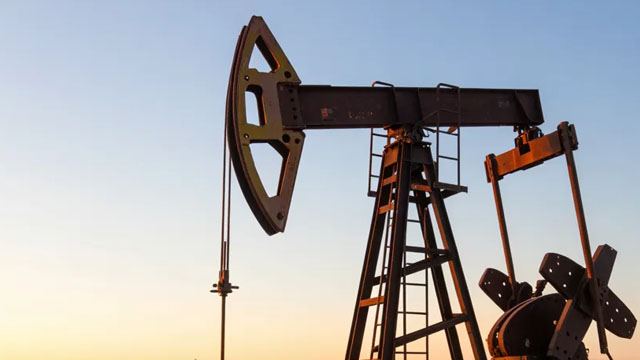
Halliburton Wins Contract for TotalEnergies' Offshore Suriname Project
HAL secures a long-term drilling and completions contract for TTE's GranMorgu deepwater project offshore Suriname.

Halliburton (HAL) Gains As Market Dips: What You Should Know
Halliburton (HAL) concluded the recent trading session at $35.21, signifying a +2.38% move from its prior day's close.
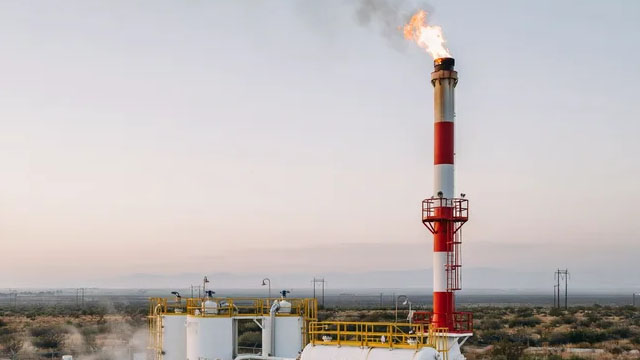
HAL vs. FTI: Which Stock Is the Better Value Option?
Investors looking for stocks in the Oil and Gas - Field Services sector might want to consider either Halliburton (HAL) or FMC Technologies (FTI). But which of these two stocks is more attractive to value investors?

Halliburton Lands Key Iraq Oilfield Deal to Boost Production
HAL expands in Iraq with an integrated contract to develop the Bin Umar and Sindbad oil fields, targeting higher oil and gas output through advanced operations.
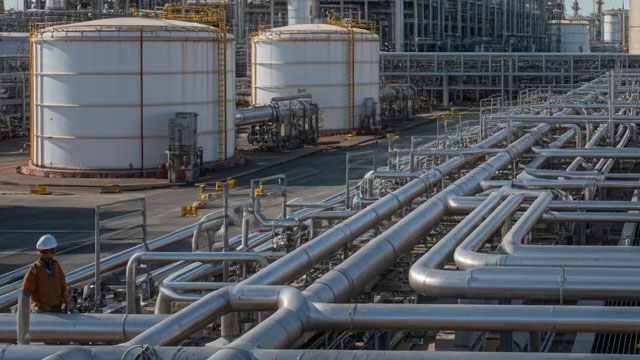
Halliburton (HAL) Suffers a Larger Drop Than the General Market: Key Insights
Halliburton (HAL) reached $33.01 at the closing of the latest trading day, reflecting a -2.77% change compared to its last close.
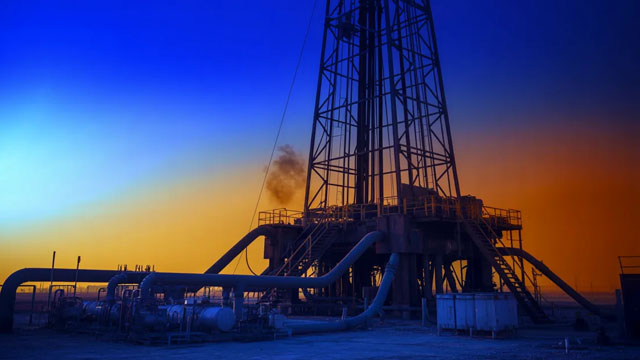
Halliburton Teams Up With Shape Digital for AI Asset Management
HAL teams with Shape Digital to unify subsurface and operational data, helping operators improve production planning, reliability, safety and efficiency.
Halliburton (HAL) Ascends While Market Falls: Some Facts to Note
Halliburton (HAL) concluded the recent trading session at $34.67, signifying a +2.27% move from its prior day's close.




