





Hype

As RWA trading surges on Hyperliquid, Dragonfly's Qureshi makes the case for a multichain future
Dragonfly's Haseeb Qureshi said the shift reflects crypto's broader maturation toward tokenized stocks, bonds, and other real-world assets.

Hyperliquid sees real-world assets surge of trading volume
The surge in real-world asset trading on Hyperliquid could drive innovation in blockchain specialization and influence market dynamics significantly. Hyperliquid sees real-world assets surge of trading volume.

Hyperliquid surpasses Solana in total circulating USDC, becomes second only to Ethereum
Hyperliquid's rise highlights the growing specialization of blockchain ecosystems, impacting stablecoin distribution and market dynamics. Hyperliquid surpasses Solana in total circulating USDC, becomes second only to Ethereum.

Kraken parent plans regulated Hyperliquid perps for US traders
Payward wants to use Hyperliquid's blockchain for US perpetual futures, but trading would remain limited to verified and approved accounts.

Payward Plans Regulated Perps Access for U.S. Clients Through Hyperliquid
Payward plans to bring regulated perpetual futures on Hyperliquid to eligible U.S. clients, pending regulatory approval. The structure keeps trading on Hyperliquid's public blockchain but adds identity checks and permissioned access. The first contracts, leverage, fees and launch date have not yet been disclosed.
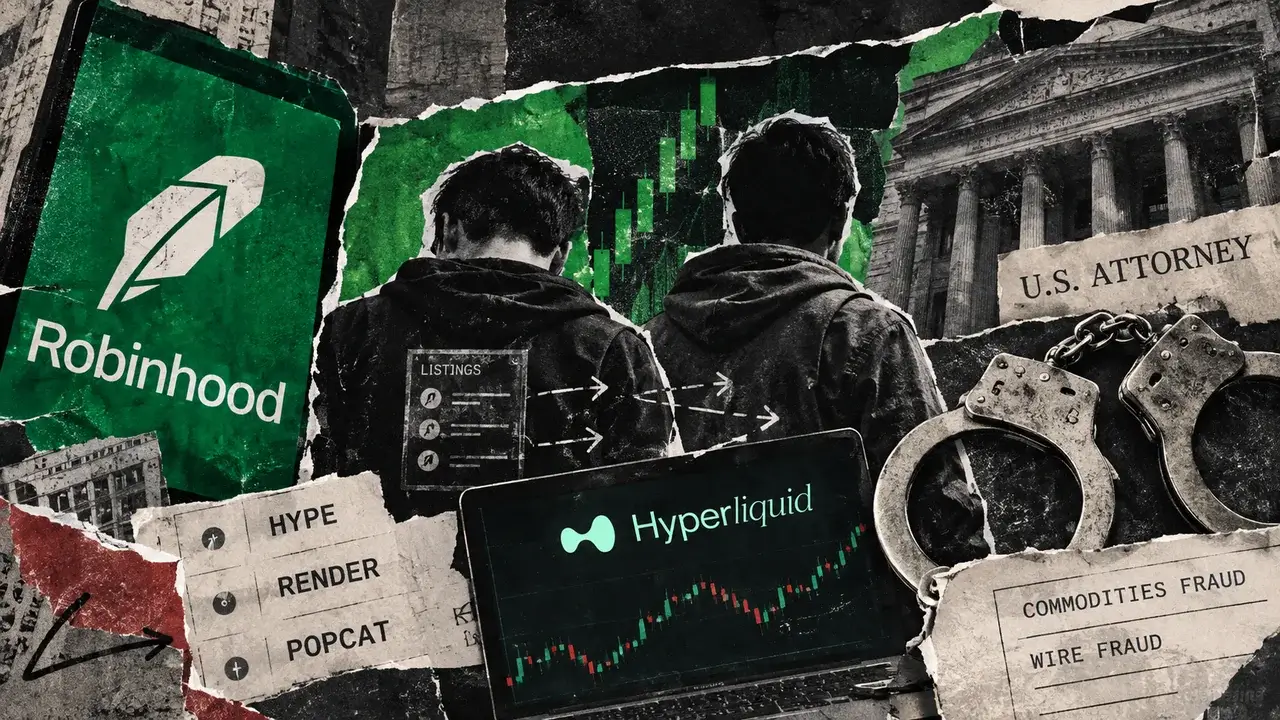
Robinhood engineers face up to 30 years over $50,000 alleged Hyperliquid profits
DOJ says confidential token-listing plans fueled perpetual-futures trades ahead of Robinhood announcements.
Kraken's Payward to Bring CFTC-Compliant Hyperliquid Perpetuals to US Market
Payward, which operates as the holding company for Kraken crypto exchange, revealed plans Wednesday to provide American customers with access to onchain perpetual futures trading on the Hyperliquid blockchain. Market response was immediate, with HYPE token valuations climbing over 4% in the hours following the disclosure.

Payward Plans Regulated Hyperliquid Perpetual Futures for U.S. Traders
Payward, the parent company of crypto exchange Kraken, plans to give U.S. clients access to onchain perpetual futures through Hyperliquid, pending regulatory approval. The company said Wednesday that it intends to begin with Hyperliquid HIP-3 markets, which enable third parties to create and manage permissioned perpetual futures markets.
Robinhood Chain surpasses Hyperliquid in 24-hour app revenue, per DeFiLlama
The shifting revenue dynamics highlight the volatile nature of DeFi markets and underscore the competitive landscape among blockchain platforms. Robinhood Chain surpasses Hyperliquid in 24-hour app revenue, per DeFiLlama.

Payward plans to offer U.S. clients onchain perpetual futures on Hyperliquid
Leveraging its $550 million acquisition of Bitnomial, Payward aims to become the first registered U.S. exchange to deploy markets on the Hyperliquid protocol.

HYPE price falls 7.5% as Supertrend turns bearish
Hyperliquid's HYPE token fell about 7.5% over the past week, retreating from $83.55 to around $78.70 as legal concerns and weaker technical momentum weighed on its recent rally. HYPE price retreats from record high Hyperliquid (HYPE) price traded near $78.

Kraken parent plans regulated Hyperliquid perps
Payward plans to offer Hyperliquid HIP-3 perpetual futures to eligible U.S. clients through Bitnomial, subject to regulatory approval.




