


Hype
Multicoin Capital invests over $100M in Hyperliquid's HYPE token
Multicoin's investment in HYPE highlights growing institutional trust in blockchain models, potentially boosting Hyperliquid's market influence. Multicoin Capital invests over $100M in Hyperliquid's HYPE token.
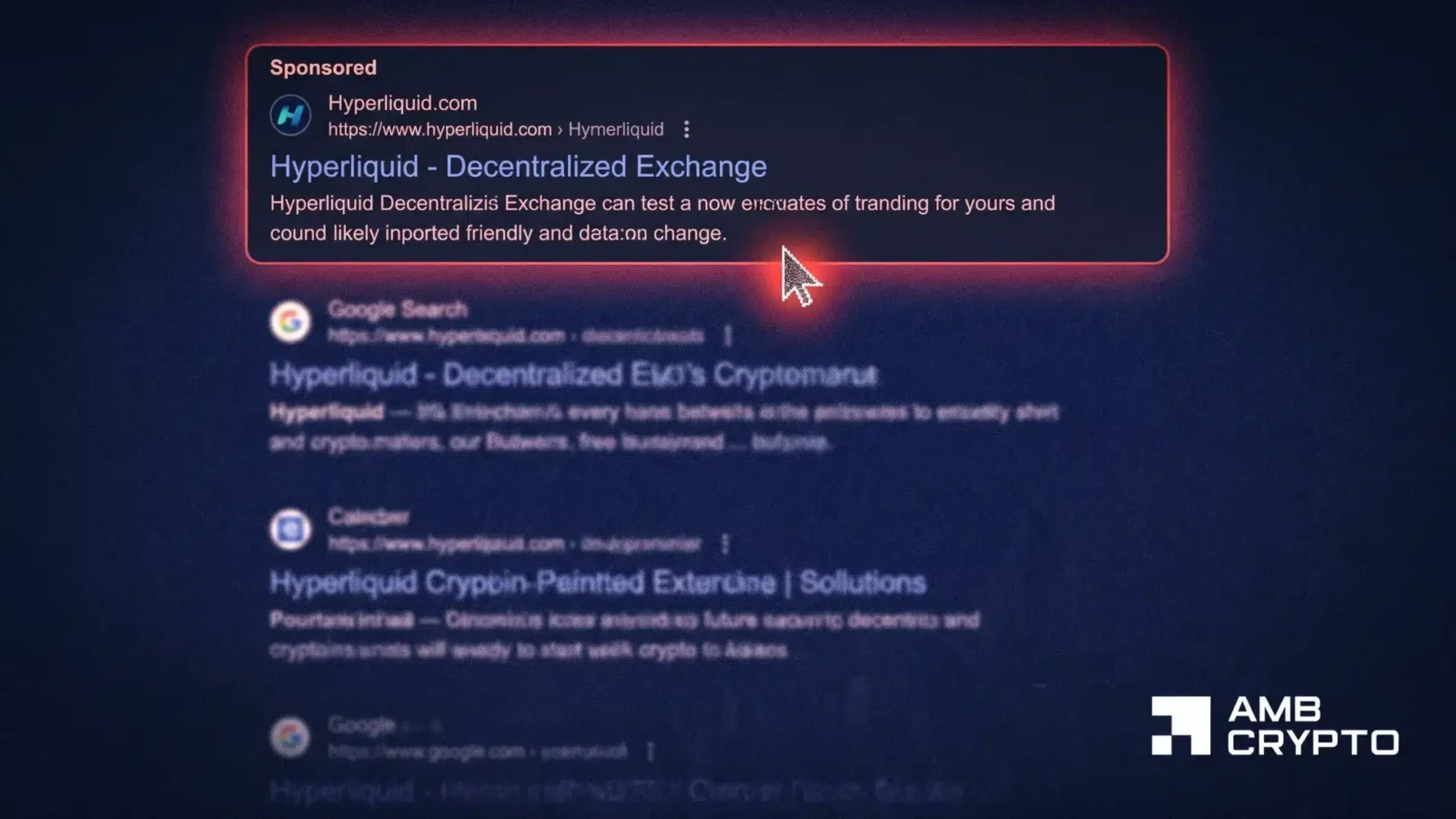
Hyperliquid user loses 550,019 USDC to fake Google ad – Details
How were users duped into losing their money by the fraudulent Hyperliquid website?
Trader loses $550,000 to Google ad scam impersonating Hyperliquid
The incident highlights the urgent need for enhanced vigilance and security measures in digital advertising to protect DeFi users from phishing scams. Trader loses $550,000 to Google ad scam impersonating Hyperliquid.

Hyperliquid lobbies to offer perpetual futures on US-regulated blockchain
Hyperliquid's lobbying could reshape U.S. crypto markets by integrating blockchain infrastructure, potentially boosting market value and innovation. Hyperliquid lobbies to offer perpetual futures on US-regulated blockchain.

Attackers rent verified Google ad accounts to hide Hyperliquid clones behind nested iframes
A Hyperliquid user lost about $550,000 in USDC to a fake exchange site served by a paid Google search ad. Google suspended the advertiser account.

Fake Hyperliquid Google Ad Drains $550K From Crypto User
A Hyperliquid user reportedly lost $550,000 in USDC after clicking a fake Google ad.
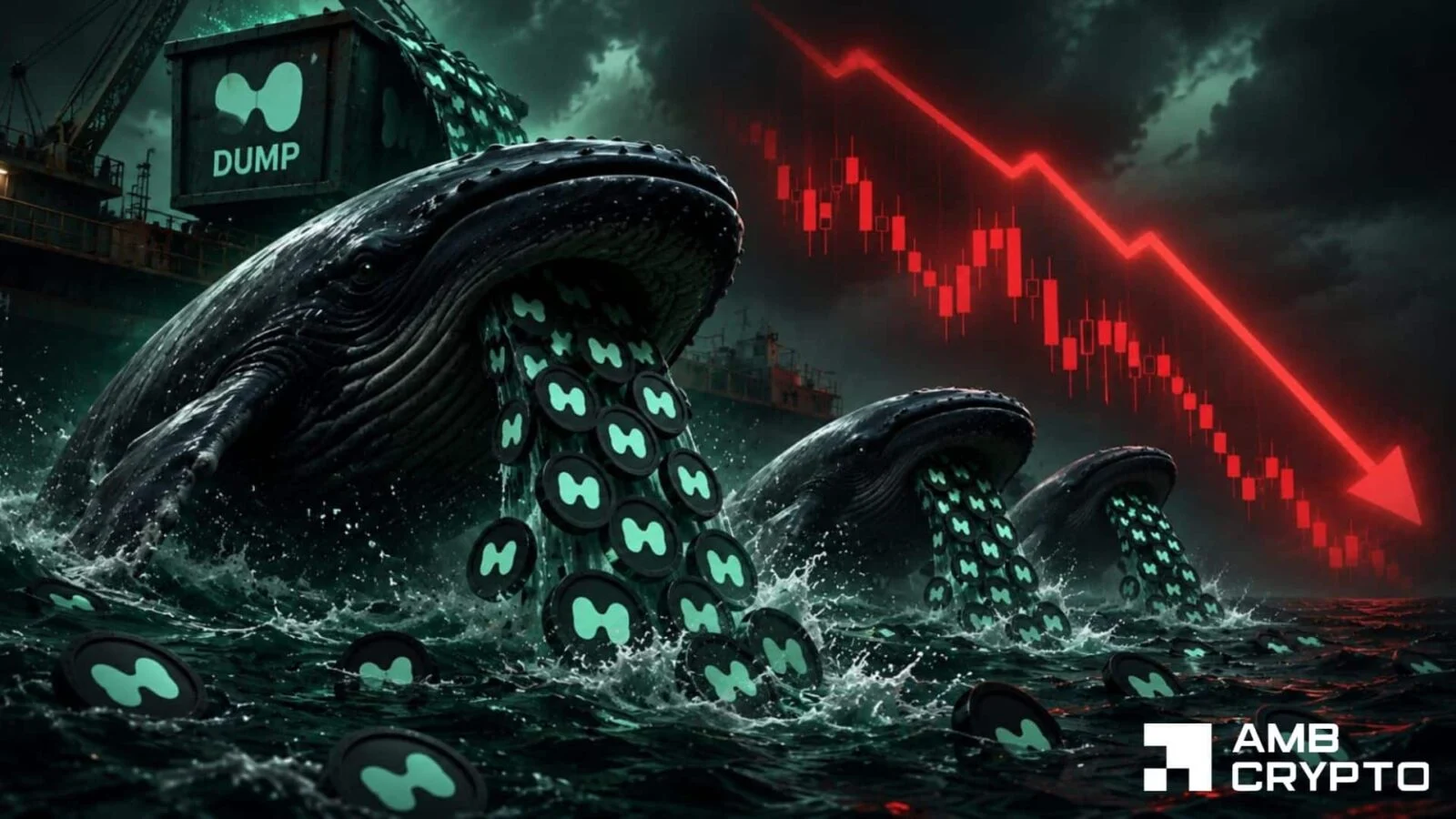
Hyperliquid – HYPE holds near $57 as whale unloads 1.95M tokens
Buyers reclaimed momentum, but $110 million in whale sales shadowed the rebound.

Hyperliquid user reportedly loses $550K in Google ad scam
A Hyperliquid user reportedly lost about $550,000 in USDC after a Google ad led to a phishing site; Google says it suspended the advertiser.
Hyperliquid Trader Loses $550K to Malicious Google Ad Campaign
On August 13, a cryptocurrency investor suffered losses totaling around $550,000 in USDC after becoming victim to a sophisticated phishing operation executed through a paid Google search advertisement.
Hyperliquid's net income jumps 250% – $30.95M Q2 profit fuels HYPE's rally
Hyperliquid's stronger Q2 fundamentals, whale ownership, and rising volume could help HYPE.
Hyperliquid's 50% Fee Split Won't Last, Says Synthetix's Kain Warwick
On Uneasy Money, the Infinex and Synthetix founder called Hyperliquid's decision to hand outside market builders half of all trading fees "a bit crazy," and argued that falling revenue and shrinking HYPE buybacks show why it will have to change.

Hyperliquid User Loses $550K in Sophisticated Google Ad Scam
A Hyperliquid user appears to have lost about $550,000 in USDC after clicking a malicious Google search ad impersonating the trading platform. Blockchain data linked three transfers from the victim's wallet to addresses identified as controlled by the attacker.


