


Hype

Whale boosts Bitcoin long exposure on Hyperliquid amid HYPE token transfers
Increased whale activity and HYPE token transfers may signal shifts in Bitcoin market dynamics, impacting liquidity and price volatility. Whale boosts Bitcoin long exposure on Hyperliquid amid HYPE token transfers.

7 Leading DEXs Fall Behind Hyperliquid's July Monster-Level Trading Volume, Capped at $218 Billion
Hyperliquid has outperformed leading decentralized exchanges over the last month, emerging as the DEX with the highest trading volume in July.
Corporate treasuries hold 31M HYPE tokens, 13% of circulating supply
Corporate treasuries' significant HYPE token holdings could influence market dynamics, highlighting potential risks and strategic shifts in DeFi. Corporate treasuries hold 31M HYPE tokens, 13% of circulating supply.

HYPE price eyes $57.30 as Q2 buybacks fuel rebound
HYPE price climbed above $56.80 as strong quarterly revenue, token buybacks, and rising RWA trading activity helped it rebound from the $51 support area. HYPE price rebounds from $51 support According to data from crypto.

Hyperliquid (HYPE) Price: Holds $55 as Q2 Growth Data Offsets Recent Pullback
Hyperliquid (HYPE) trades near $55 as bearish momentum fades while Q2 data shows record trading volume and growing institutional interest.
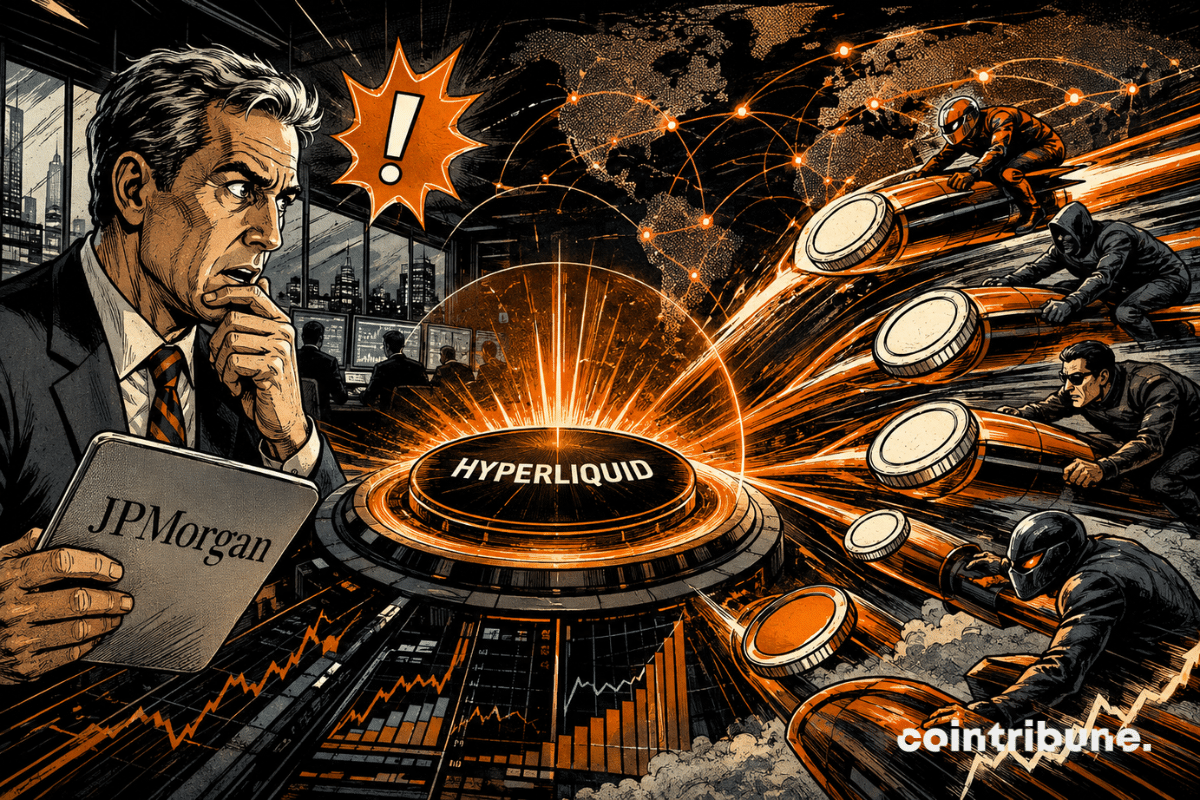
Crypto: JPMorgan Warns About Growing Competition Around Hyperliquid
Hyperliquid faces a more demanding phase of its development. JPMorgan believes the decentralized platform could lose ground to regulated US offerings.

Hyperliquid RWA Trading Climbs Above 33% of Total Activity
Tokenized real-world asset (RWA) perpetual contracts represented more than 33% of Hyperliquid's trading activity during the second quarter of 2026, with quarterly volume reaching $213 billion, confirming strong demand for blockchain-based exposure to traditional assets. Hyperliquid generated $169 million in protocol revenue during Q2, allocating approximately $141 million to HYPE token buybacks.

Hyperliquid's 3x HIP-3 fee hike divides analysts – Lose users or boost HYPE?
Hyperliquid revenue recovered in Q2, but it reversed the gains in Q3.

JPMorgan says Hyperliquid faces growing competition while HYPE ETF inflows stall
"Whether Hyperliquid eventually surpasses in market cap other tokens such as Solana and XRP remains to be seen," analysts said.

HYPE Price Faces $52 Test as Analysts Warn of a Deeper Pullback
Analysts identify targets between $50 and $32, while token burns and platform growth support the longer-term outlook.

JPMorgan reports stalled inflows for Hyperliquid ETF amid competition
Increased competition and shifting market sentiment highlight the volatility and challenges in sustaining investor interest in niche ETFs. JPMorgan reports stalled inflows for Hyperliquid ETF amid competition.

JPMorgan says Hyperliquid ETF inflows have stalled as competition mounts
After leading crypto ETF inflows in May and June, demand for Hyperliquid funds stalled in July and August as competition intensified, the bank said.


