



Intel Corporation (INTC)















Intel, AMD and Qualcomm slide as Nvidia targets AI PC market with RTX Spark chip
Intel (INTC), AMD, and Qualcomm shares fell on Monday after Nvidia unveiled its new RTX Spark PC chip, designed to run AI agents directly on personal devices. The launch challenges Intel and AMD's long-standing dominance in the PC chip market while also increasing competition for Qualcomm, which has been expanding its portfolio of AI-focused processors.

Top 5 Stocks That Will Profit From Nvidia's PC Market Invasion of Intel Territory
CNBC's Dominic Chu confirmed this morning that Nvidia's new PC chip lands in Dell and Lenovo laptops and desktops starting fall 2026, runs on Microsoft Windows, and targets thin-and-light form factors capable of running large AI models and higher-end games.
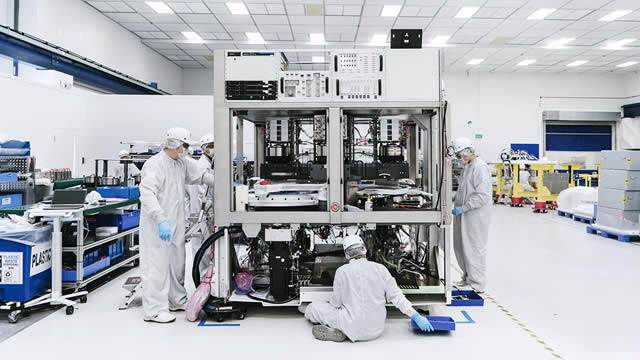
Intel and AMD shares fall more than Nvidia rises on new PC superchip
Nvidia announced the launch of its first processor for personal computers — and semiconductor stocks are having a mixed reaction.
What does Nvidia's laptop chip mean for Intel, AMD and Qualcomm?
Nvidia (NASDAQ: NVDA) used Computex week in Taipei to make its boldest move yet into the personal computer market, unveiling a laptop chip that puts the AI chip leader directly inside the Windows machine. The RTX Spark superchip marks a shift that goes beyond graphics cards.

Give Your Family the Gift of an Estate Plan
In this episode of Motley Fool Hidden Gems Investing, Motley Fool personal finance expert Robert Brokamp speaks with attorney Jill Mastroianni, the host of the Death Readiness podcast, about how to protect your assets, your family, and yourself with an updated estate plan. Also discussed in this episode:
Intel (INTC) Stock Dips While Market Gains: Key Facts
Intel (INTC) concluded the recent trading session at $114.65, signifying a -5.16% move from its prior day's close.
Can Intel's New Arc G Series for Gaming Expansion Drive Future Growth?
INTC rolls out Arc G-Series chips for handheld gamers, touting Arc B390 graphics, XeSS 3 boosts and battery efficiency as partners line up new devices.
Unusual Machines: This Is The 'Intel Moment' For Drone Makers
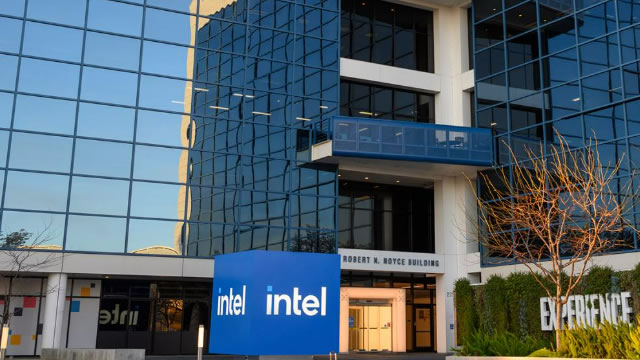
Unusual Machines (UMAC) receives a Strong Buy rating with a revised $55 base-case price target, reflecting structural demand from U.S. federal drone procurement. UMAC is positioned as a critical component supplier across Blue UAS platforms, benefiting from high switching costs and direct Army procurement relationships. OSC equity or debt investment could accelerate UMAC's production timeline, with each quarter of capacity expansion potentially adding $15 million in annual revenue.

Taiwan's MediaTek says it supports both TSMC and Intel's advanced packaging technologies
Taiwan chip designer MediaTek said on Friday it supports both TSMC's and Intel's advanced packaging technologies, allowing customers to choose between the two approaches.
Prediction: Elon Musk's SpaceX Will Buy Intel for $1 Trillion
The market's AI arms race is no longer just about chatbots and software.

Trump Invested in Intel And it Soared 500%. Here's the Next Industry the Government is Buying.
Defense drone stocks are surging at midday Thursday after a Wall Street Journal and CNBC report indicated the Pentagon is in talks with drone manufacturers about funding deals that could include direct federal equity stakes.
How Leasing Out Fab Space Is Rewriting Intel Stock's Financial Thesis
This article was written and reviewed by Doug Nathman and his team at Trefis. For questions, email [email protected].




