



Intel Corporation (INTC)















Every S&P Sector Fell in September Except One
Ten of eleven S&P sectors dropped in September as oil and Treasury yields surged together, yet one corner of the market kept climbing and now sits at its highest concentration in years.
TSMC Vs. Intel: Goliath Is Defeating David
While Intel continues to ride the CPU demand tailwind, its balance sheet hasn't improved; the firm has the lowest IC ratio amongst its peers while trading higher than the sector. TSMC, on the other hand, maintains impressive margins and top line growth, which puts the firm in a better position to expand market share. I'm upgrading Intel to a hold while initiating a buy rating for TSMC.
32 Analysts Say Hold on Intel. Here's What the Numbers Actually Show
Wall Street has overwhelmingly parked Intel in hold territory, but the stock just posted a 212% gain this year while simultaneously losing billions in its foundry division.
Intel Rises 3% as Chip Contender Caps Off Surprisingly Strong September; NVIDIA Ticks Up, AMD Slips
Intel closed out September with a move that has investors debating whether the chip giant's turnaround is finally gaining real traction or whether the rally has already run ahead of the fundamentals.

Intel's Recovery Has Moved From Survival To Factory Economics
Intel (INTC) offers substantial upside if processor growth and manufacturing yield improvements materialize together, driving faster earnings growth than sales alone. I assign a speculative Buy rating, contingent on Intel delivering competitive processors, improving factory economics, and maintaining or growing high-margin server product share. INTC's advanced packaging opens incremental revenue streams, but sustainable profitability hinges on internal execution, not just external foundry or packaging wins.
Intel Is Trying to Reinvent Itself. Here's Where INTC Stock Could Be in 2027
Intel stock has already surged over 230% this year, yet Wall Street's consensus target still sits below the current price.
Intel: An Overlooked Business And A Ticking Clock
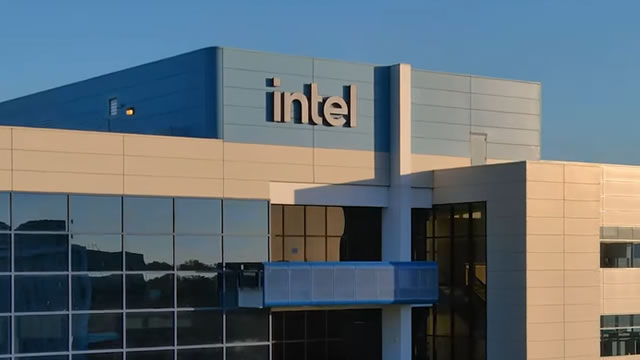
Intel Corporation is rated Buy, with segmental operating profit and advanced packaging driving the turnaround, despite headline gross margin and GAAP EPS masking progress. Data Center and AI segment operating income nearly quadrupled in Q2, and the Rule of 45 framework highlights strong momentum in core business units. Advanced packaging (EMIB-T) could deliver multi-billion-dollar revenues by 2028, with high-margin potential and early customer traction from Google and possibly Amazon.
Intel Drops 4% on Oil-Driven Rate Fears, NVIDIA Rises 3% on Record $150B Buyback; Taiwan Semiconductor Slips
Chip stocks are splitting in two directions, with Intel (NASDAQ:INTC | INTC Price Prediction) handing back part of an enormous year while NVIDIA (NASDAQ:NVDA) rises on its own company news. Intel stock trades at $117.

Intel, Sandisk, Chevron, Boeing, NIO, and More Stocks That Explain Today's Market
AI stocks struggle as a flare-up in oil prices leads to investors ditching risk assets.
Intel stock just flashed signal for 150% rally
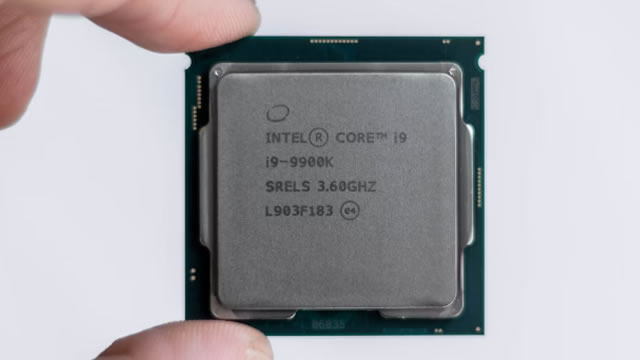
Intel (NASDAQ: INTC) has triggered a technical signal that previously preceded a rally of more than 150% in just 25 trading days.
Intel Drops 3% as Profit Taking Follows 223% YTD Run; AMD Falls 3%, NVIDIA Slips
Intel (NASDAQ:INTC | INTC Price Prediction) shares are sliding in morning trading, giving back a slice of one of this year's most extraordinary runs among large-cap technology names. Shares are down 3% to $119.
Intel, Marvell, Super Micro, Meta, MGM, and More Stocks That Explain Today's Market
AI stocks struggle as Wall Street frets about rising bond yields, while Meta Platforms slides as investors lock in some profit after a 12% rally.




