



Intel Corporation (INTC)














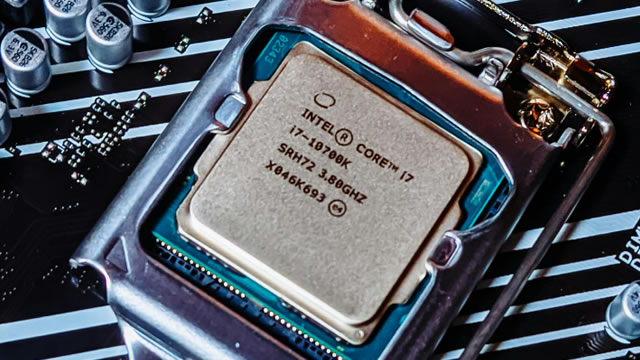
Trump Administration Is Taking Billions in Stakes in Firms Like Intel
The Trump administration is trading billions of dollars of taxpayer money for ownership stakes in companies. The unusual practice shows no sign of slowing.
Investors Heavily Search Intel Corporation (INTC): Here is What You Need to Know
Recently, Zacks.com users have been paying close attention to Intel (INTC). This makes it worthwhile to examine what the stock has in store.
Intel Could Be the Biggest Winner of TSMC's AI Bottleneck
The artificial intelligence (AI) revolution has sparked such intense demand for advanced semiconductors that it is creating a global manufacturing bottleneck. However, this is not a story of failure, but rather one of overwhelming success.
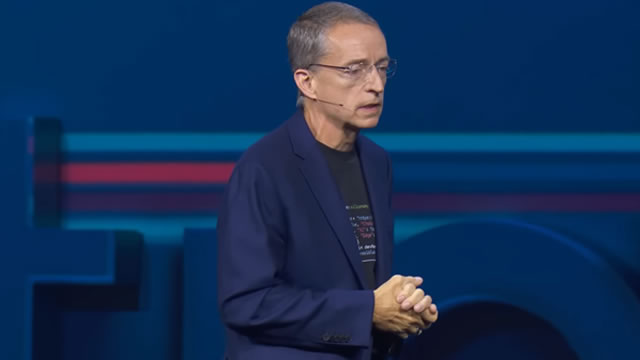
What Is Happening With Intel Stock?
Intel (INTC)'s stock surged 75% this year, not just due to revenue growth but also a significant increase in its valuation multiple.

Intel: Renewed AI CPU Monetization Prospects - Premature Rally
INTC's new management team has delivered a renewed AI CPU monetization cadence, as observed in the sequential growth in DCAI revenues and richer operating margins.

Qualcomm vs. Intel: Which Chip Stock is the Better Buy Now?
INTC edges out QCOM as valuation, price momentum and growth prospects give it a slight lead in the latest chip stock comparison.
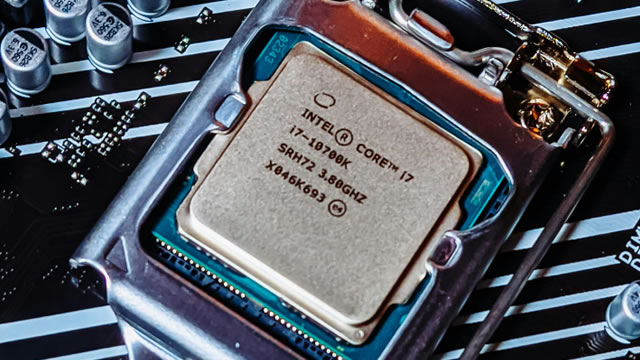
Intel Stock Could Explode: Buy Now Or Regret It Forever
Intel Corporation delivered a strong Q3 '25, with revenue and EPS beating expectations, driven by improved product mix and cost-cutting. INTC's turnaround is supported by next-gen 18A process technology, major partnerships like Nvidia, and U.S. government backing via the CHIPS Act. Valuation remains deeply discounted versus peers, reflecting skepticism, but low expectations set the stage for upside if execution improves.
Intel Corporation (INTC) Presents at Global Technology, Internet, Media & Telecommunications Conference 2025 Transcript
Intel Corporation ( INTC ) Global Technology, Internet, Media & Telecommunications Conference 2025 November 18, 2025 3:20 PM EST Company Participants John Pitzer - Corporate Vice President of Corporate Planning & Investor Relations Conference Call Participants Srinivas Pajjuri Presentation Srinivas Pajjuri I am Srini Pajjuri, I'm the semi analyst here. And we're delighted to have Intel today, John Pitzer, who heads the IR team there and also the CVP of Treasury.

Intel Stock To $25?
Our multifactor evaluation indicates that it could be the right moment to sell INTC stock due to the company's weak financial performance and the stock's strong surge this year.
Are Declining Earnings Estimates an Indication to Avoid INTC Stock?
Falling earnings estimates cloud Intel's outlook, even as AI chip launches and major investments aim to revive growth.

Intel AI chief Sachin Katti departs to join OpenAI
Intel Corp (NASDAQ:INTC, ETR:INL)'s chief technology and artificial intelligence officer, Sachin Katti, is leaving the chipmaker to lead compute infrastructure efforts at OpenAI, the company behind ChatGPT. Katti, who had held the top AI role at Intel for seven months, announced the move on social media, saying he was “excited for the opportunity to work with Greg Brockman, Sam Altman and the OpenAI team on building out the compute infrastructure for AGI.

Here is What to Know Beyond Why Intel Corporation (INTC) is a Trending Stock
Intel (INTC) has received quite a bit of attention from Zacks.com users lately. Therefore, it is wise to be aware of the facts that can impact the stock's prospects.




