



Intel Corporation (INTC)














Intel's New Buyers Mean Good News for Taiwan Semiconductor Stock
News is starting to show up again for the United States technology sector, this time in a more unconventional manner than over the past couple of years. The United States government and other entities are starting to buy up significant stakes in one company, which is best positioned to carry on the onshoring agenda for chipmaking and semiconductor capacity for the nation.

Intel vs. HubSpot: Which AI-Driven Tech Stock Has More Upside?
Intel Corporation INTC and HubSpot, Inc. HUBS are two premier tech firms that are leaning heavily into AI (artificial intelligence) for sustenance. Intel, reportedly the world's largest semiconductor company and primary supplier of microprocessors and chipsets, is gradually reducing its dependence on the PC-centric business by moving into data-centric businesses, such as AI and autonomous driving.
Trump May Soon Invest in This 1 AI Stock Down Over 60%
Senior officials inside the White House are weighing a plan that would make the United States government the largest single shareholder in Intel (NASDAQ:INTC ).
Is Intel's Revival Ahead After SoftBank's $2 Billion Investment
Intel's revival as a leading chipmaker has gained traction following Tuesday's announcement that SoftBank had taken a 2% stake in the company worth $2 billion.

S&P 500 Gains and Losses Today: Intel Stock Retreats; Analog Devices Jumps After Strong Earnings
Major U.S. equities indexes were mixed on Wednesday as tech stocks slid and minutes from the latest Federal Reserve meeting highlighted policymakers' concerns about tariffs and inflation.
New Chip Deals Are Starting to Look More Sticks Than Carrots. What That Means for Chipmakers
Wall Street could be starting to sour on the terms of new deals in the works for chipmakers.
Opinion | Trump, Intel and the Road to Serfdom
Hayek warned of the danger of government ownership stakes in major companies.
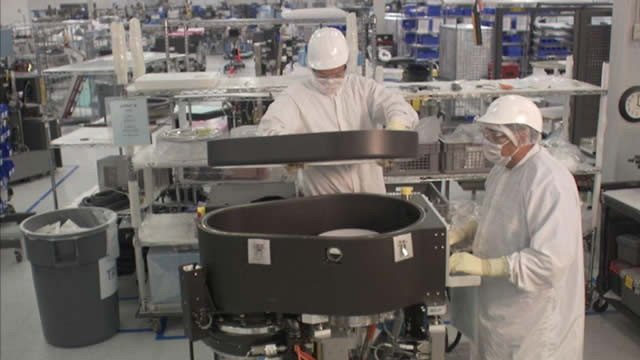
Nvidia And Intel Lead Tech Stock Drop As White House Reportedly Seeks Equity For CHIPS Grants
The Nasdaq dropped nearly 290 points (1.3%) by around noon Tuesday, as shares of Nvidia (2%), Intel (7%), Palantir (5%), AMD (2%) and Broadcom led a broader tech selloff. Other firms, including Micron (5%), Tesla (3%), Amazon (2.1%), Apple (1.6%) and Microsoft (0.8%) also declined.
Intel reportedly in talks for discounted equity investment
Intel Corp (NASDAQ:INTC, ETR:INL) is in discussions with several large investors to raise fresh capital through a discounted equity infusion, according to a CNBC report citing people familiar with the matter. The talks follow a $2 billion investment from Japan's SoftBank, which purchased shares at $23 each, slightly below the company's recent closing price of $23.66.
Intel in talks with other large investors for equity boost at discount, sources say
Intel is in talks with other large investors to get an equity infusion at a discounted price, sources told CNBC's David Faber. It comes after SoftBank announced it would invest $2 billion in the struggling chipmaker.
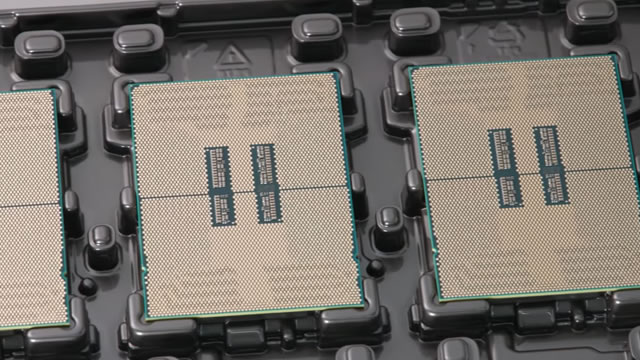
Trump's Push for Intel Stake Raises Concerns for Tech Stocks
The Nasdaq Composite had its second-biggest decline since April on Tuesday.
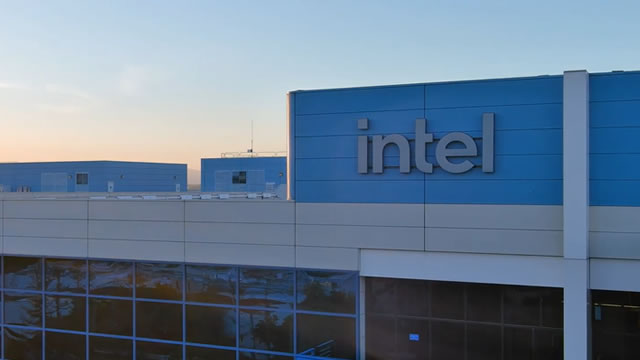
Taking Control of Semiconductors: Trump Targets Equity Stake in CHIPS-Funded Stocks
Key Points in This Article: President Trump's 10% Intel stake uses CHIPS Act funds, potentially making the government its largest shareholder.




