



Marvell Technology, Inc. (MRVL)















Here's Why Marvell Technology (MRVL) is a Strong Growth Stock
Wondering how to pick strong, market-beating stocks for your investment portfolio? Look no further than the Zacks Style Scores.

MRVL's Optics Portfolio: How Relevant is it for the AI Networks?
Marvell Technology's expanding optics portfolio powers faster, lower-latency AI networks as demand surges and revenue growth accelerates.
Is It Time To Buy Marvell Stock?
Marvell Technology (MRVL) stock could be a worthwhile investment at this time. Why? Because it offers high margins – indicative of pricing power and potential for cash generation – at a discounted price.

Marvell Technology (MRVL) Suffers a Larger Drop Than the General Market: Key Insights
In the latest trading session, Marvell Technology (MRVL) closed at $83.48, marking a -3.44% move from the previous day.

MRVL's Custom Silicon Pipeline Expands Rapidly: What's Ahead?
Marvell Technology expands its custom silicon pipeline with new XPU sockets, advanced packaging and strong data center growth, pointing to rising AI demand.

Investors Heavily Search Marvell Technology, Inc. (MRVL): Here is What You Need to Know
Zacks.com users have recently been watching Marvell (MRVL) quite a bit. Thus, it is worth knowing the facts that could determine the stock's prospects.
These 2 Computer and Technology Stocks Could Beat Earnings: Why They Should Be on Your Radar
Finding stocks expected to beat quarterly earnings estimates becomes an easier task with our Zacks Earnings ESP.
Marvell Technology (MRVL) Outperforms Broader Market: What You Need to Know
In the latest trading session, Marvell Technology (MRVL) closed at $93.23, marking a +2.54% move from the previous day.

Marvell Technology: The Custom Chip Strategy Could Secure Future Profits
Marvell Technology is well-positioned to benefit from the AI-driven data center boom, with strong demand for its custom chips. MRVL's focus on specialized ASICs, strategic partnerships with cloud giants, and robust R&D investments support steady growth and competitive advantages. The stock is rated a "Buy" due to attractive valuation metrics, record revenue growth, and a significant share buyback program signaling management confidence.

Marvell Technology (MRVL) Sees a More Significant Dip Than Broader Market: Some Facts to Know
Marvell Technology (MRVL) reached $87.59 at the closing of the latest trading day, reflecting a -3.08% change compared to its last close.
Here is What to Know Beyond Why Marvell Technology, Inc. (MRVL) is a Trending Stock
Zacks.com users have recently been watching Marvell (MRVL) quite a bit. Thus, it is worth knowing the facts that could determine the stock's prospects.
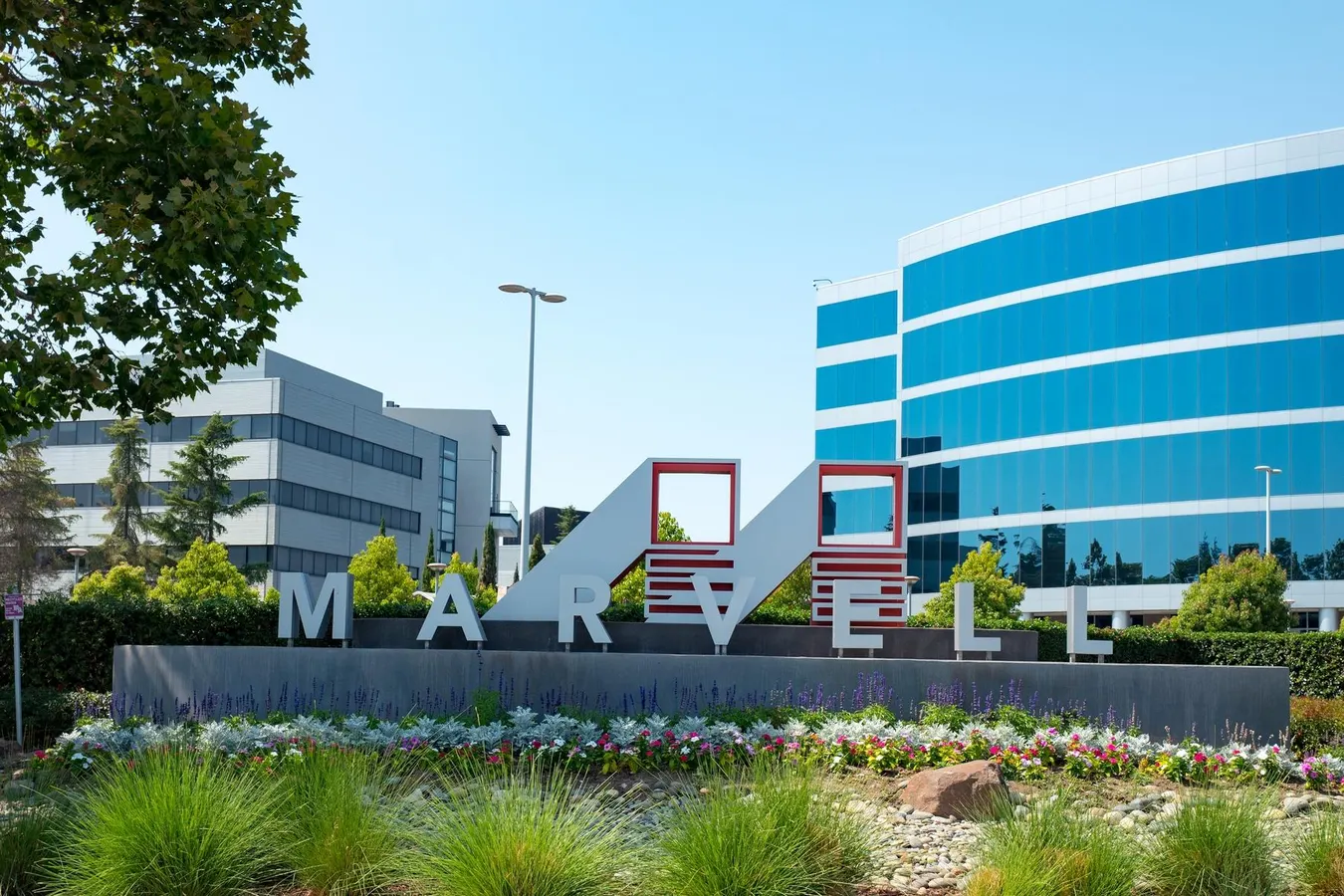
Marvell Technology Stock At 20% Discount, Worth Buying?
Marvell Technology (MRVL) stock warrants your attention. Why? Because you receive high cash flow margins at a discounted price.




