



Microsoft Corp. (MSFT)













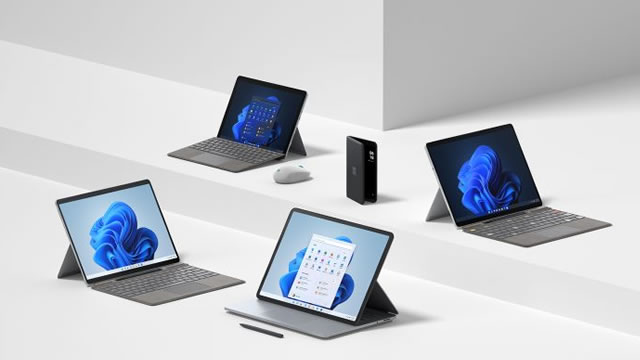
'Is Microsoft Down?' Outlook and Teams Go Dark in Widespread Outage
It's not just you: Numerous Microsoft services weren't working most of Thursday, and the outage is continuing.
Microsoft 365 hit by outage, preventing access to emails and files
An ongoing Microsoft outage is preventing enterprise customers from accessing email inboxes, files, meetings, and other Microsoft cloud services.
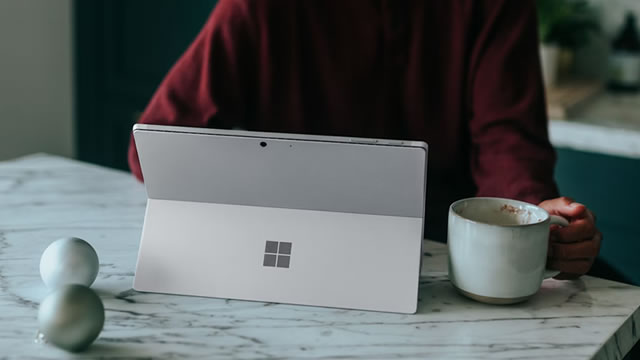
Microsoft: Cloud Margins Are The Tripwire Heading Into FQ2 Earnings (Downgrade)
I downgrade Microsoft Corporation to a Hold ahead of FQ2 2026 earnings. I see downside risk from a cautious FQ3 margin guide in the Cloud segment, mainly driven by the hike in depreciation. A higher CapEx guide may not encourage the market. The MSFT selloff since Q3 is mainly driven by sentiment. I think the rotation out of tech is not justified by a deterioration in fundamentals.
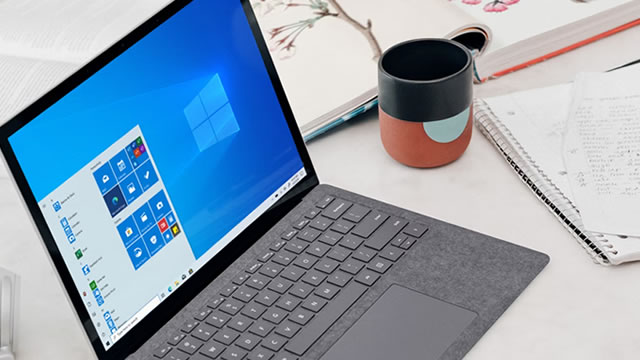
Microsoft working to fix Outlook email issues
Microsoft is responding to issues with sending and receiving email messages through Outlook. The app faced a 21-hour outage last summer.

Microsoft's valuation seen as attractive versus hyperscaler peers going into Q2 earnings
Microsoft Corp (NASDAQ:MSFT) will report its fiscal second quarter earnings next week, with investors set to be focused on signs that the company can convert its large backlog of AI-related commitments into revenue growth and earnings upside, according to Jefferies analysts. The firm, which has a ‘Buy' rating ant $675 price target on Microsoft, believes the company's valuation has become more attractive after a pullback in the stock.

Microsoft Stock To $350?
Microsoft stock has declined by 5% this week due to two converging factors. First, analysts are lowering price targets ahead of earnings reports, and second, investors are becoming hesitant about AI spending.

Mercedes reveal images of 2026 F1 car, announce Microsoft deal
Mercedes announced a major new sponsorship deal with Microsoft on Thursday as they revealed images of the W17 Formula One car that the former champions hope will take them back to the top this season.

You Need To Watch Microsoft and Amazon Before Investing in PBW ETF
Investors in Invesco WilderHill Clean Energy ETF (NYSEARCA:PBW) have watched shares climb 74% over the past year, rising from around $20 to $35.
Davos focuses on AI revolution as tariffs and geopolitics linger, Wedbush says
Conversations at the World Economic Forum this week are dominated by the accelerating artificial intelligence revolution, even as geopolitical tensions over tariffs and US-EU relations hover in the background, according to Wedbush Securities analyst Dan Ives. After meeting with technology executives from around the world in Davos, Ives said discussions have centered overwhelmingly on AI investment, adoption and monetization, with political issues such as US tariffs and tensions surrounding Greenland ownership featuring only secondarily.

These 3 Software Stocks Could Deliver Outsized Returns This Year
Some of the best returns in the stock market have come from software stocks. These tech companies can scale to serve more customers while enjoying annual recurring revenue models.
LinkedIn Growth Boosts Momentum: Can MSFT Stock Rally Higher?
As LinkedIn evolves beyond recruiting, Microsoft is unlocking new value from professional data and AI integration.

SoundHound vs. Microsoft: Can the Small Voice AI Player Beat the Tech Giant?
SOUN's rapid voice-AI growth faces off against MSFT's scale and profits in a battle of speed versus dominance.




