







3 Reasons OKLO Stock Isn't a Buy After 34% Monthly Drop
OKLO has plunged 33.8% in a month despite its META nuclear deal, but valuation, long timelines, and ongoing losses suggest this isn't a true dip-buy chance.

OKLO: Deja vu? (An 11x Return Last Time this Occured)
Technical patterns tend to repeat on Wall Street. Nuclear power leader OKLO has a near identical pattern to its 2024 surge.

Oklo: Meta Just Turned A Maybe Into A When
I upgraded Oklo to a Buy after Meta's January 9 agreement to advance the Pike County 1.2 GW campus. The Meta deal adds a prepay mechanism to fund fuel procurement and early Phase 1 work. Timelines are long: phase 1 targeted "as early as 2030", with full 1.2 GW deployment not expected until 2034. However, the Meta deal validates the tech behind the Aurora powerhouse.

Oklo Stock Upgraded to Buy. Meta Nuclear Deal Is a ‘Meaningful Step Forward.
Oklo's agreement with Meta Platforms to power its data centers is ‘one of a few firm, binding partnerships today,' says BofA Securities.
Is this stock the Nvidia of 2026?
Though claiming a company could be the next Nvidia (NASDAQ: NVDA) might have become somewhat tired by early 2026, there is a genuine and strong bull case for the nuclear reactor company Oklo (NYSE: OKLO) amidst both the artificial intelligence (AI) boom and the troubles it has brought upon the world.
OKLO Pulls Back 10% After META Deal - What Investors Missed
Oklo stock pulled back about 10% after a sharp META-fueled rally. Here is what the volatility, valuation, and long-term outlook mean for investors in 2026.
Turn Oklo's Hype Into Income
Oklo offers strong nuclear ambitions and capital reserves, but shares now trade at an excessive premium relative to medium-term fundamentals. OKLO's business model integrates construction, generation, and commercialization, with major clients like Meta validating demand for its small nuclear reactors. Despite robust liquidity and no debt, OKLO faces a long timeline to revenue and profitability, with meaningful earnings not expected until 2030 or after.
Oklo's Meta Deal De-Risks the Story—Rebound Setup Emerging
Oklo's NYSE: OKLO deal with Meta Platforms NASDAQ: META is well-liked by the market. Yet another partnership with a major datacenter operator not only affirms the energy technology but also provides funding and visibility, while validating the pathway to revenue.
More Skilled Are Workers Needed to Build Nuclear Plants, Oklo CEO Says
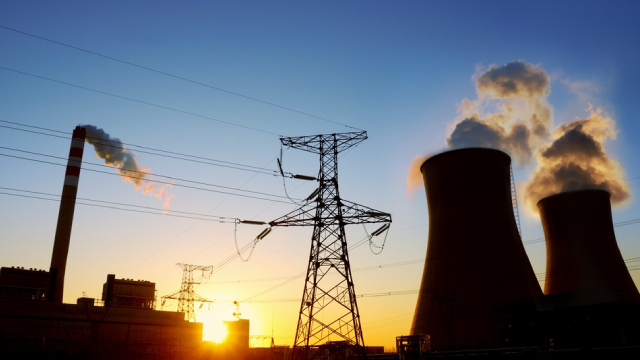
Nuclear startup Oklo signed a huge deal to build new power plants to help Meta Platforms meet surging demand for artificial intelligence. But Chief Executive Officer Jacob DeWitte says more skilled workers are needed to build them.
What META's 1.2 GW Deal Means for OKLO's Ohio Nuclear Build
META's prepayment deal boosts OKLO's 1.2 GW Ohio nuclear project, tying early funding to long-term data center power demand.

Oklo's Meta Power Agreement; The Narrative Just Flipped Bullish (Rating Upgrade)
Oklo Inc. and Meta Platforms announced a monumental agreement to develop a 1.2 GW power campus to support Meta's data center needs. OKLO's technology for small, scalable nuclear solutions is now getting the big tech validation it needs, while also getting a lift from regulatory and demand tailwinds. While execution risks persist, I believe the focus will now turn to tech validation and regulatory approvals to accelerate its path toward commercialization.

Meta Is Turning to NUKZ Holdings for Baseload Power
Meta Platforms (META) has significantly deepened its commitment to carbon-free energy through two major partnerships announced on January 9. The social media giant has entered into agreements with Oklo Inc. (OKLO) and Vistra Corp (VST), two holdings in the Range Nuclear Renaissance ETF (NUKZ).




