



Procter & Gamble Co (PG)














Procter & Gamble Q4 Earnings Call Highlights
Procter & Gamble NYSE: PG reported fiscal 2026 results within its initial guidance ranges, as modest organic sales growth, a 1% increase in core earnings per share and more than $15 billion returned to shareholders offset a volatile operating environment.

Procter & Gamble Says Gas Prices Limiting Consumer Spending
Procter & Gamble says economic pressures have consumers focused on smaller pack sizes and promotions. The consumer packaged goods company released earnings Wednesday (July 29) showing sales up 3% for its most recent quarter and 1% for the year.
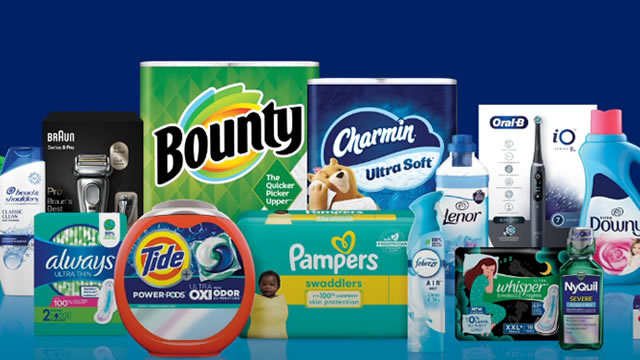
Procter & Gamble Q4 Earnings Beat on Productivity, Sales Miss Estimates
PG's Q4 earnings beat estimates as productivity savings offset cost pressures, while flat organic sales and modest fiscal 2027 guidance temper the outlook.
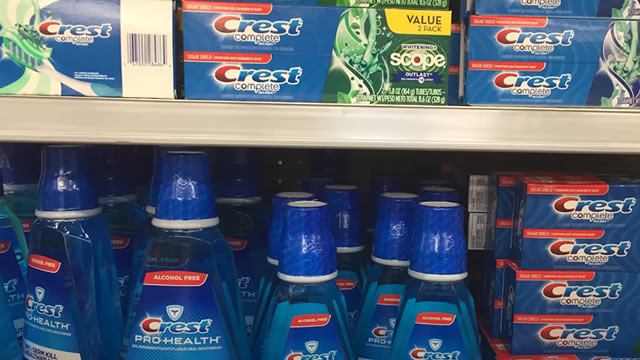
Procter & Gamble's Stock Drops After Sales Miss Wall Street's Projections
Procter & Gamble's stock is taking a hit Wednesday after sales fell short of Wall Street estimates.

Procter & Gamble earnings: why CFO downplayed organic sales miss
Procter & Gamble (PG) shares opened in the red this morning as investors reacted to the Q4 sales miss and guidance that signalled potential cost headwinds. The consumer goods specialist posted $1.43 a share of earnings (EPS) – which topped Wall Street estimates by 2 cents; but its revenue at $21.2 billion fell short of the $21.38 billion consensus.

P&G (PG) Reports Q4 Earnings: What Key Metrics Have to Say
Although the revenue and EPS for P&G (PG) give a sense of how its business performed in the quarter ended June 2026, it might be worth considering how some key metrics compare with Wall Street estimates and the year-ago numbers.

Procter & Gamble shares fall after quarterly revenue misses estimates
Procter & Gamble Co (NYSE:PG, XETRA:PRG) shares fell more than 3% on Wednesday after the consumer goods giant reported fourth-quarter revenue that missed analyst estimates, even as it topped profit expectations. The maker of Tide detergent and Pampers diapers posted revenue of $21.2 billion for the quarter, up 2% from a year earlier but below analysts' estimate of $21.38 billion.
Procter & Gamble (PG) Surpasses Q4 Earnings Estimates
Procter & Gamble (PG) came out with quarterly earnings of $1.43 per share, beating the Zacks Consensus Estimate of $1.41 per share. This compares to earnings of $1.48 per share a year ago.
Procter & Gamble Earnings Beat Estimates. Why the Stock Is Still Falling.
Procter & Gamble reports better-than-expected quarterly profit but misses on sales.
Procter & Gamble revenue misses estimates as volume stays unchanged
Procter & Gamble reported quarterly earnings per share that topped Wall Street's estimates, but its revenue fell short of expectations. P&G also announced that CEO Shailesh Jejurikar will become chair of the board, effective Aug. 1.
How P&G Is Trying to Sell Tide and Bounty to Inflation-Squeezed Consumers
The consumer-products giants is working “harder than we've had to in a long time” to win over shoppers, its CFO says.
What Analyst Projections for Key Metrics Reveal About P&G (PG) Q4 Earnings
Looking beyond Wall Street's top-and-bottom-line estimate forecasts for P&G (PG), delve into some of its key metrics to gain a deeper insight into the company's potential performance for the quarter ended June 2026.




