



Global X Nasdaq 100 Covered Call ETF (QYLD)





QYLD Vs. SCHD: Only One ETF Is A Good Option In Retirement
High yield covered call funds like QYLD appeal to retirees with lower required savings and promising dividends to cover living expenses. But, QYLD's 12% yield looks unreliable for retirement due to inconsistent and non-growing distributions when adjusted for inflation, making monthly budget planning a nightmare. SCHD provides a much better deal with consistent dividends growing at 11% a year, beating inflation long-term.

QYLD: This Fund Is Positioned To Outperform The Broader Indexes After The Election
QYLD tends to outperform in an market environment where volatility levels are elevated. The growth outlook remains weak and political uncertainty remains, fear levels should stay elevated. This income based ETF should continue to outperform in the current economic and political environment.

Keep QYLD Option Roll on Radar After Strong Open Thursday
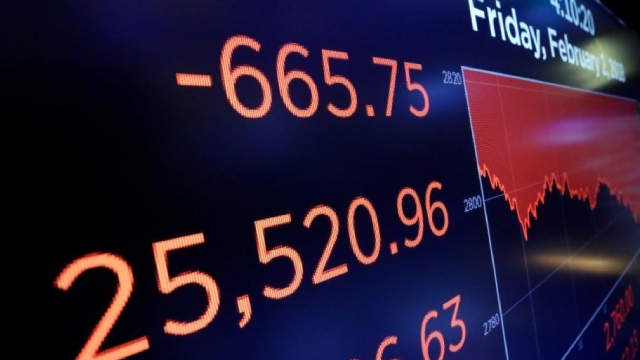
According to Kevin Green, liquidity is giving bulls enough room "to hang their hat on," but one name could plunge markets: the Global X NASDAQ 100 Covered Call ETF (QYLD).

QYLD: More Alternatives To Consider (QQQI And QDTE)
QYLD ETF writes ATM call options on the Nasdaq 100 Index to generate high distribution yields. However, its strategy is flawed and underperforms over the long run. Compared to QYLD, QQQI's flexible mandate to vary overwritten percentages and use call spreads offers superior performance and higher distribution yield than QYLD. QDTE's 0DTE call options strategy may capture more day-to-day returns and generate significantly higher income than QYLD.

QYLD: Rate Cuts Improved Its Attractiveness (Rating Upgrade)
This article upgrades my early Sell rating on Global X NASDAQ 100 Covered Call ETF to Hold. The key considerations involved in this upgrade is the improved return/risk profile thanks to the Fed rate cuts and the return of market volatility. QYLD's yield spread relative to 10-year treasury rates has widened to 7.7% since my last writing.
QYLD: Probably Beats QQQ In The Months Ahead
The Global X Nasdaq 100 Covered Call ETF (QYLD) aims to generate income by selling call options on Nasdaq 100 stocks. QYLD offers monthly distributions and can provide protection during market downturns, but caps potential gains in strong bull markets. The fund's focus on tech stocks exposes it to sector-specific risks, and its higher expense ratio (0.61%) can impact net returns.

QYLD vs JEPQ: which is a better Nasdaq covered call ETF?
The JPMorgan Nasdaq Equity Premium Income ETF (JEPQ) and the Global X Nasdaq 100 Covered Call ETF (QYLD) ETFs are some of the most popular covered call funds in Wall Street. QYLD, launched in 2013, has attracted over $8 billion while JEPQ has almost $16 billion in assets under management.

QYLD Is Great For Income, But I Have Turned Neutral On This 11.63% Yielding ETF
QYLD is a strong income-generating ETF but has limited upside potential due to its covered call strategy, leading to a perpetual share price decline. I am now neutral on QYLD, preferring ETFs like QQQI and JEPQ that allow for some capital appreciation while generating income. Despite QYLD's price erosion, it has achieved its goal of consistent monthly distributions, producing 98.82% of its initial share price in income.

15% Yield Remains Possible By Mixing QYLD With Futures - Hoping For Milder Stock Price Action
My Long QYLD / Short Nasdaq 100 Futures combination remains viable for enhanced income, but has delivered mediocre results over the past three months due to big stock price moves. Implied volatility increases the return potential of this strategy, but reduced contango in the futures curve will nullify some of that. Investors who remain bearish, or who don't foresee material stock market upside, may wish to consider this unique income combination strategy.

QYLD: The Payouts Should Begin To Rise Significantly
This fund is well positioned to benefit from increasing volatility, and the VIX should rise significantly in the back half of the year for multiple reasons. QYLD ETF has an expense ratio of .61%, $8.8 billion in assets under management, and a trailing yield of 11.50%. The fund holds 51.58% in technology, 15.49% in communication, and monthly payouts are generated by selling at-the-money call options against the Nasdaq 100.

QYLD: Buying A Ferrari Only To Set Its Speed Limit At 100 Mph
QYLD is an ETF that employs a covered call strategy on the Nasdaq index, giving away upside potential when the market rallies. The fund pays out monthly dividends with an 11% distribution yield, but lags behind the Nasdaq in terms of total return. For income generation with more upside potential, consider the Columbia Seligman Premium Technology Growth Fund (STK) as an alternative.

QYLD: Two More Reasons To Sell
Global X NASDAQ 100 Covered Call ETF is popular among income investors for high-yield and monthly payouts. Its current dividend yield of ~11% is indeed highly attractive in absolute terms. However, when benchmarked against risk-free rates, the yield spread is currently among the thinnest levels in multiple years.




