



Rivian Automotive, Inc. (RIVN)






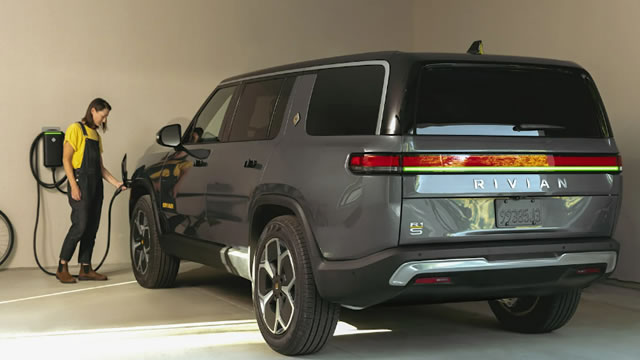
Rivian Q1 Earnings Surpass Expectations, Revenues Rise Y/Y
RIVN reports better-than-expected Q1 results and expects to deliver 40,000 to 46,000 vehicles in 2025, down from the previous estimate of 46,000-51,000 units.

Rivian Automotive, Inc. (RIVN) Q1 2025 Earnings Call Transcript
Rivian Automotive, Inc. (NASDAQ:RIVN ) Q1 2025 Earnings Conference Call May 6, 2025 5:00 PM ET Company Participants Derek Mulvey - Vice President of Finance RJ Scaringe - Founder and Chief Executive Officer Claire McDonough - Chief Financial Officer Javier Varela - Chief Operations Officer Conference Call Participants Dan Levy - Barclays Adam Jonas - Morgan Stanley Shreyas Patil - Wolfe Research Joseph Spak - UBS Mark Delaney - Goldman Sachs Philippe Houchois - Jefferies Edison Yu - Deutsche Bank George Gianarikas - Canaccord Genuity Ben Kallo - Baird Ronald Jewsikow - Guggenheim Securities Itay Michaeli - TD Cowen Operator Welcome to today's Q1 Earnings Result hosted by Rivian. At this time, all participants are in a listen-only mode.

Rivian Automotive (RIVN) Reports Q1 Loss, Tops Revenue Estimates
Rivian Automotive (RIVN) came out with a quarterly loss of $0.41 per share versus the Zacks Consensus Estimate of a loss of $0.80. This compares to loss of $1.19 per share a year ago.
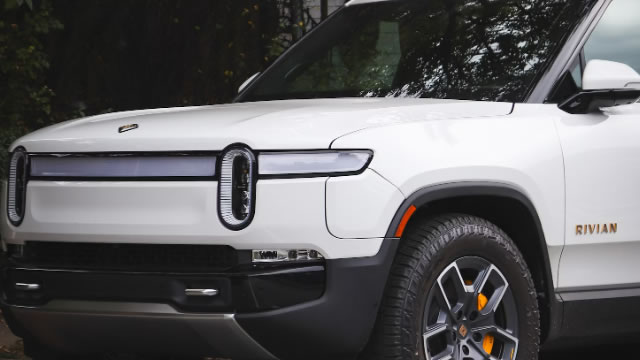
Rivian earnings: EV maker cuts delivery guidance because of Trump's tariffs and trade wars
Rivian said in its earnings report Tuesday it will likely deliver fewer vehicles this year than previously forecasted due to President Trump's tariffs and other regulatory changes, making it the latest automaker to be affected by the new administration's chaotic economic policies.

Rivian Expects Tariffs to Dent Demand for its EVs
Rivian Automotive cut its outlook for vehicle deliveries and upped expectations for capital expenditures for the full year, as evolving tariff policies rattle guidance for the electric vehicle maker.

Rivian cuts 2025 delivery target, ups expected spending amid tariff pressures
Rivian Automotive is negatively adjusting its 2025 targets for vehicle deliveries and capital spending but reconfirming its earnings expectations for the year amid President Donald Trump's tariffs. Rivian's new guidance includes deliveries of between 40,000 units and 46,000 units and expenditures of between $1.8 billion and $1.9 billion.
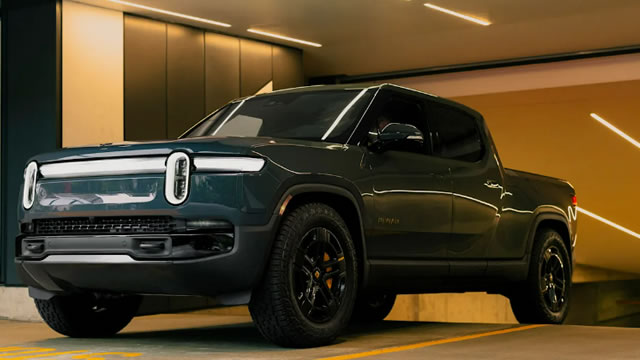
Rivian cuts delivery guidance because of Trump's tariffs and trade wars
Rivian says it will likely deliver fewer vehicles this year than previously forecasted due to President Trump's tariffs and other regulatory changes, making it the latest automaker to be affected by the new administration's chaotic economic policies.
Rivian (NASDAQ: RIVN) Price Prediction and Forecast 2025-2030 for May 6
Shares of Rivian Automotive (NASDAQ:RIVN) were flat through a.m.

A Little Good News for Rivian Investors
Unless you've been purposely avoiding the news, you've surely heard about the Trump administration's tariffs. While Trump has used tariffs as bargaining chips and to influence foreign policy, the auto industry has been concerned that it could see raised prices, reduced sales, and less profit.

Where Will Rivian Be in 1 Year?
Rivian (RIVN 0.51%) recently reached a long-held goal in its development. It is producing its electric trucks at scale.

Rivian Automotive (RIVN) Rises Higher Than Market: Key Facts
Rivian Automotive (RIVN) reachead $13.76 at the closing of the latest trading day, reflecting a +0.73% change compared to its last close.

Rivian Automotive, Inc. (RIVN) Is a Trending Stock: Facts to Know Before Betting on It
Zacks.com users have recently been watching Rivian Automotive (RIVN) quite a bit. Thus, it is worth knowing the facts that could determine the stock's prospects.




