



Rivian Automotive, Inc. (RIVN)







Jessica Inskip's Technical Scans: RIVN, T, SLB
Jessica Inskip returns to highlight stocks gaining attention in ways investors may have missed. She talks about Rivian's (RIVN) growing social media traction, AT&T's (T) tie to yields and SLB's (SLB) play on dividends and A.I.

Rivian (RIVN) Price Prediction and Forecast 2025-2030 for April 1
Shares of Rivian Automotive (NASDAQ:RIVN) popped 7.46% during a.m.

Here's Why Rivian Stock Is a Buy Before May 6
Rivian Automotive (RIVN -4.65%) reported full-year 2024 earnings in late February. Despite some operational issues during the year, it ended the fourth quarter on a positive note in one very important way.

Rivian: A Quiet Turnaround With The Software Segment In The Driver's Seat
Rivian's U.S. manufacturing limits its exposure to the 25% tariffs. That said, I expect some margin pressures from imported components sourced through Tier 2 and Tier 3 suppliers. I expect a strong upside from the software segment, which could deliver $1B in revenue (at a 30% gross margin) this year alone. Risks include regulatory risks, especially if the $7,500 EV credit and regulatory credits are eliminated, which could cut into 2025 revenue.

Why Rivian Stock Sold Off Today
Automotive stocks had a mixed Thursday after President Trump announced plans for additional new tariffs on imported vehicles and auto parts. Among the winners in that session was Rivian Automotive (RIVN -5.61%).

Rivian Spins Off Micromobility Business Into EV Startup "Also"
RIVN spins off its micromobility business into a new EV startup called Also, Inc., with $105 million in funding from Eclipse to enter the lightweight EV market.

Rivian May Be Saved by Auto Tariffs
Rivian Automotive Inc. (NASDAQ: RIVN) stock rallied when the Trump administration announced 25% tariffs on autos and auto parts imported by U.S.
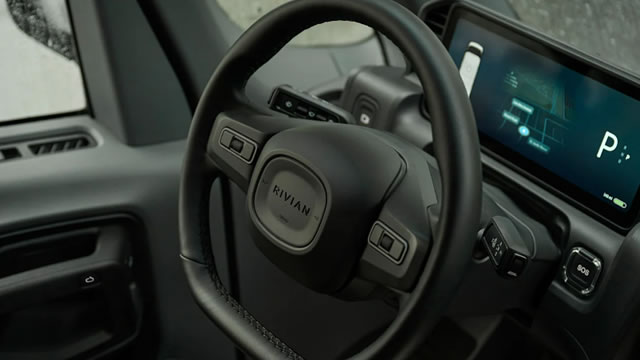
Rivian's Rally Has Just Begun (Rating Upgrade)
Rivian's Q4 2024 earnings report showed a positive gross profit and reduced COGS per vehicle, signaling improved production efficiency and cost management. The firm's strategic divestment of its micromobility division should enhance focus on core EV operations, potentially leading to better margins and faster breakeven. Rivian's valuation is currently at a discount compared to Western peers, with a potential upside of over 40% in the next year.
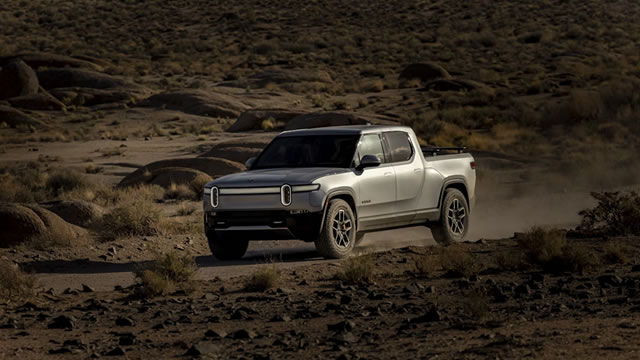
Rivian Spins Off ‘Micromobility' Small-EV Startup
Rivian Automotive Inc. is spinning out a new “micromobility” company, known as Also, that will develop small electric vehicles designed for short trips. Craig Trudell reports on Bloomberg Television.
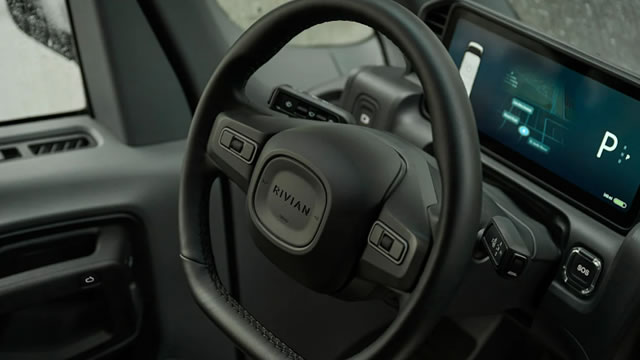
Wall Street analyst updates Rivian stock price after spin-off into new company
Electric vehicle (EV) manufacturer Rivian (NASDAQ: RIVN) has received an update from Wall Street following the firm's announcement of key changes to its business structure.
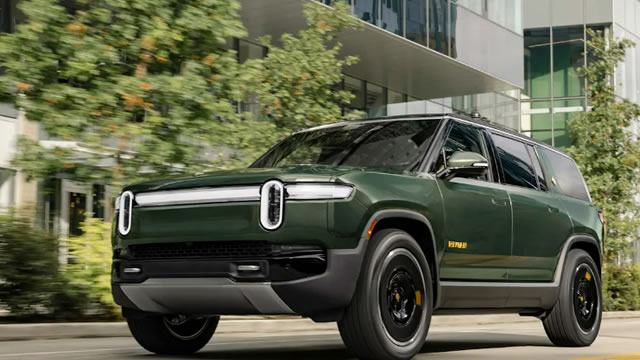
Rivian Unveils, Spins Off Secret Micromobility Project
Rivian Automotive (RIVN) shares edged higher Wednesday as the electric vehicle (EV) maker announced it has been working for several years on a secret micromobility project that it's now spinning off into a separate company.

Rivian spins out micromobility business with launch of Also
Rivian Automotive Inc (NASDAQ:RIVN) announced the spin-out of its micromobility division into a new company called Also, which will focus on developing lightweight electric vehicles tailored for short trips. Rivian will retain a minority ownership stake in Also, the electric vehicle-maker said on Wednesday.




