



Rivian Automotive, Inc. (RIVN)







Wall Street sets Rivian stock price for the next 12 months
Rivian Automotive (NASDAQ: RIVN) saw a small boost in trading on Tuesday, October 22, closing at $10.49, up +0.46 (4.59%) for the day.

1 No-Brainer Electric Vehicle (EV) Stock to Buy Right Now (Hint: It's Not Tesla)
This EV stock might become the next Tesla.

Could Buying Rivian Automotive Stock Today Set You Up for Life?
The EV maker's stock has fallen to nearly 90% below its IPO price.

3 Reasons Rivian Is the Smartest Electric Vehicle (EV) Stock to Buy Right Now
Rivian has all the characteristics of becoming the next Tesla.

AI predicts Rivian (RIVN) stock price for year-end
Rivian Automotive (NASDAQ: RIVN) has faced a turbulent 2024, with supply chain issues, production shortfalls, and broader EV market struggles weighing heavily on its stock.

Rivian Automotive (RIVN) Sees a More Significant Dip Than Broader Market: Some Facts to Know
In the closing of the recent trading day, Rivian Automotive (RIVN) stood at $10.15, denoting a -1.93% change from the preceding trading day.

RIVN Stock Won't Ever See Volkswagen's $5b ‘Investment'
Key Points: Rivian decrease their production from 57 000 to 47- 49 000 because of supply issues.

Rivian: Don't Sweat The Speed Bumps
Rivian is focused on long-term growth, aiming to produce over 600K EVs annually by the end of the decade despite current production setbacks. Investors should not be swayed by short-term issues; Rivian's retooling and cost-reduction efforts are expected to improve gross margins and profitability. The company's production capacity has increased, and new vehicle models like the R2 and R3 will drive future growth and revenue.

2 Top Electric Vehicle (EV) Stocks to Buy in October
These two EV stocks have plenty of growth ahead.
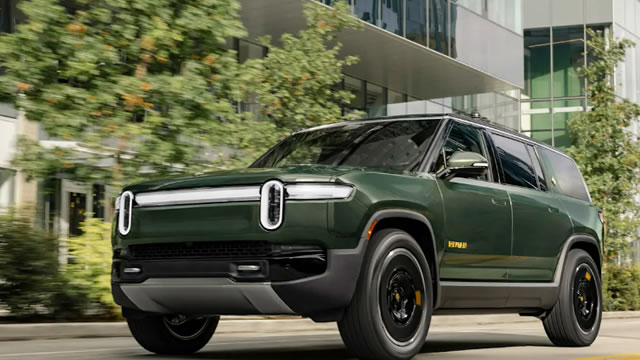
Rivian: Don't Fall Into The Fear Trap (Technical Analysis)
Rivian Automotive cut its 2024 production forecast due to a parts shortage, but long-term growth prospects remain strong, making the current dip a buying opportunity. Despite missing 3Q24 delivery expectations, Rivian's substantial cash reserves (74% of market valuation) mitigate risk and support potential for a rebound. The overall EV market is robust, with strong sales from competitors like Ford, GM, and Tesla, indicating Rivian's issues are supply related, not demand-driven.

Rivian Readies For Profitability With R1 Gen 2
Rivian's 2nd Gen R1 platform will improve gross margins and grow deliveries. R1 Gen 2 sets the firm up well for its R2 launch in 2026 because they are based on the same tech. Rivian's cost savings will come from increased scale, changing suppliers, recent declines in commodities prices, increased vertical integration, and redesigning/using cheaper parts.

Here's Why Rivian Stock Is a Buy Before Nov. 5
Rivian is expected to report earnings before Nov. 5. Here's why now is the time to buy.




