



SandRidge Energy Inc. (SA2D)
 XSTU
XSTU 
Summary
SA2D Chart
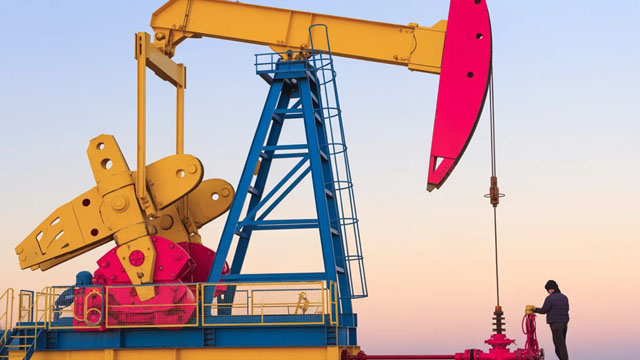
SandRidge Energy Q2 Earnings Call Highlights
SandRidge Energy NYSE: SD reported higher second-quarter production, revenue and cash flow, supported by its operated Cherokee development program and stronger oil prices, while outlining plans to expand its position in the Mid-Continent through a bolt-on acquisition.
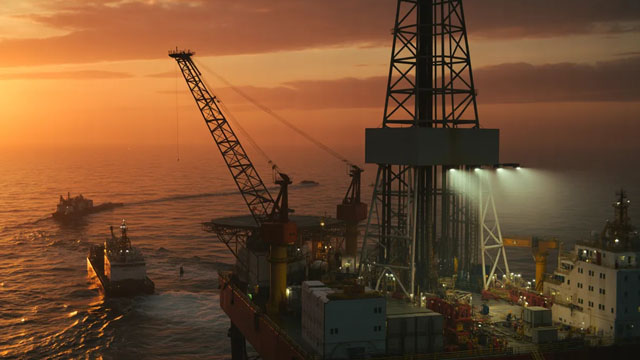
SandRidge Q2 Earnings Rise Y/Y on Higher Production & Oil Prices
SD Q2 earnings climb y/y as revenues jump 48%, driven by higher production, stronger oil prices and Cherokee drilling.
SD Outperforms Peers: Is This Cheaper Energy Stock Worth Buying?
SandRidge's drilling gains, debt-free balance sheet and low valuation support its case for long-term upside despite commodity price risks.
SandRidge Energy Inc. (SA2D) FAQ
What is the stock price today?
On which exchange is it traded?
What is its stock symbol?
Does it pay dividends? What is the current yield?
What is its market cap?
Has SandRidge Energy Inc. ever had a stock split?
SandRidge Energy Inc. Profile
| Oil, Gas & Consumable Fuels Industry | Energy Sector | Grayson R. Pranin Jr. CEO | XSTU Exchange | 80007P869 CUSIP |
| US Country | 102 Employees | 19 Aug 2026 Last Dividend | - Last Split | 6 Nov 2007 IPO Date |
Overview
SandRidge Energy, Inc., incorporated in 2006, is a prominent player in the energy sector, focusing on the acquisition, development, and production of oil, natural gas, and natural gas liquids. Operating mainly in the United States Mid-Continent region, the company has established itself as a significant contributor to the domestic energy supply. Headquartered in Oklahoma City, Oklahoma, SandRidge Energy combines advanced extraction technologies and strategic asset management to sustainably harness natural resources, ensuring a steady supply of energy while also aiming for environmental responsibility.
Products and Services
- Oil
SandRidge Energy specializes in the exploration and extraction of oil, employing cutting-edge technology and innovative methods to optimize production. This focus on oil is pivotal to meeting the ongoing demand for energy and petrochemical products worldwide.
- Natural Gas
The development and production of natural gas form a core part of SandRidge's operations. This clean-burning fossil fuel is essential for heating, electricity generation, and as a feedstock in various industrial processes, making it a critical component of the global energy mix.
- Natural Gas Liquids (NGLs)
Alongside oil and gas, SandRidge Energy also focuses on the production of natural gas liquids. NGLs include products like propane, butane, and ethane, which are vital for heating, cooking, and in the petrochemical industry for the production of plastics and other materials.
Contact Information




