








SCHD: I'm No Longer Bullish, And Here's Why (Rating Downgrade)
I'm downgrading the Schwab US Dividend Equity ETF (SCHD) to a 'Hold' due to structural underperformance and limited exposure to AI-driven market leaders. SCHD's defensive sector tilt and exclusion of major tech hyperscalers hinder its ability to capture current macroeconomic growth trends. Despite strong quality, low volatility, and a 3.3% yield, SCHD's opportunity cost versus more growth-oriented funds is rising.

SCHD: Every Technical Correction Is A Buying Opportunity
Schwab US Dividend Equity ETF remains a buy, driven by an unusually high excess yield spread versus the S&P 500. With the latest SP500 EPS and inflation forecasts, SCHD's 3.31% yield exceeds both its historical average and the inflation-adjusted SP500 CAPE yield by a wide gap, signaling attractive valuation and. SCHD's long-term record of growing its dividends at double-digit dividend rates (11%+ CAGR for the past 5 and 10 years) further enhances its alpha potential.

Should Schwab U.S. Dividend Equity ETF (SCHD) Be on Your Investing Radar?
Designed to provide broad exposure to the Large Cap Value segment of the US equity market, the Schwab U.S. Dividend Equity ETF (SCHD) is a passively managed exchange traded fund launched on October 20, 2011.

If You're 50+ and Tired of Watching Tech Boom Without You, Read This
You are in your fifties, the 401(k) is finally a real number, and you have noticed something uncomfortable: the market keeps ripping higher on a handful of AI names you don't understand, while the cash you actually want to live on someday is parked in a money market fund earning whatever the Fed decides this quarter.
Dividend Safety Check: Domestic vs International Dividend Quality (SCHD, SCHY)
Investors seeking a dividend stream that grows rather than just survives often turn to two Schwab funds: the Schwab U.S.
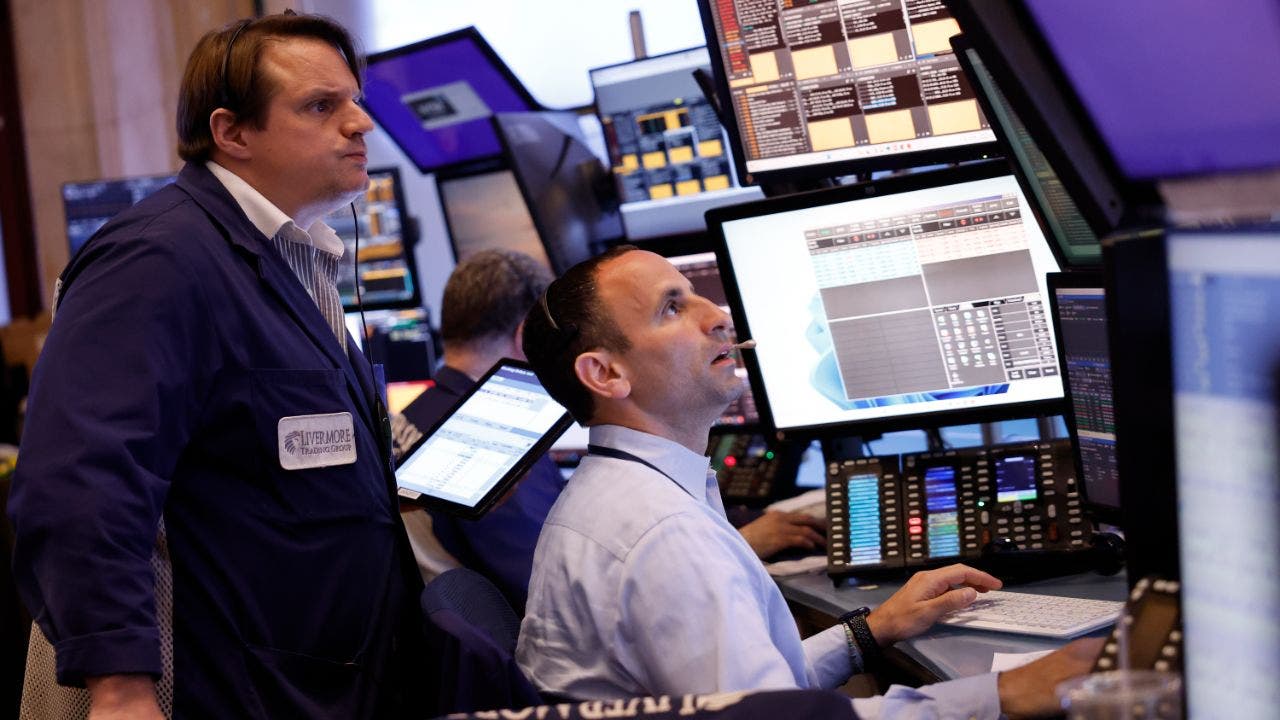
What to look for before buying your first ETF
ETFs provide affordable access to sectors like space exploration and dividends, but investors should consider one important question before buying their first fund.

SCHD: A Strategic Hedge Against An AI Sell-Off
The Schwab US Dividend Equity ETF offers a defensive hedge as AI sector enthusiasm wanes and volatility rises. SCHD's strategy focuses on financially healthy companies with at least 10 years of consecutive dividend payments, prioritizing income stability. While SCHD has underperformed recently in NAV and dividend growth, its conservative positioning may attract inflows amid a sector rotation away from highly valued AI stocks.
Dumping SCHD
Schwab U.S. Dividend Equity ETF faces near-term headwinds from rising interest rates and renewed investor preference for growth and AI-driven stocks. Persistently high rates make SCHD's dividend yield less attractive versus risk-free treasuries, leading to potential further drawdowns and underperformance versus the broader market. While SCHD remains a long-term income and capital appreciation vehicle, current market conditions favor trimming or waiting for a 10%+ drawdown before adding.

Three International Dividend ETFs Now Outyield SCHD by Nearly 2 Points in 2026
Income investors who built their portfolios entirely around U.S. dividend payers are leaving yield on the table in 2026.

SCHD Now Concentrates 42 Percent of Your Money in Just 10 Stocks. Here Is Who Should Still Own It
Most Schwab U.S. Dividend Equity ETF (NYSEARCA:SCHD) owners assume they are buying broad market diversification.
Forget SCHD: This Monthly Dividend Grower Out-Returned It by 38% Over the Last Decade
The Schwab U.S. Dividend Equity ETF (NYSEARCA:SCHD) has become the default holding for income-minded investors who want a low-cost basket of U.S.
SCHD Vs. PFFA: Ditching The Yield Trap For Schwab's Gold Standard
In this article, we break down why the Schwab US Dividend Equity ETF (SCHD), the 'gold standard' of dividend growth, outperforms the Virtus InfraCap US Preferred Stock ETF, PFFA by 16% YTD. Is high dividend yield worth the risk of silent capital erosion? While the broad market hits all-time highs in 2026, a PFFA is drastically underperforming. What dangerous trap is hidden beneath its 9.7% yield, and why am I urgently cutting its rating?




