








SCHD: Solid Yield And Continuing To Generate Additional Cash Flow With Options
Schwab U.S. Dividend Equity ETF is a popular dividend-focused ETF, delivering a solid and growing yield, ideal for income-focused investors. We've been writing options to generate additional cash flow, nearly every single month, to complement our long SCHD position. More recently, SCHD's annual reconstitution shifted sector allocations, with financials now the largest sector, but several of the top holdings remain the same, well-rounded, solid dividend payers.
1 No-Brainer High-Yield Index Fund to Buy Right Now for Less Than $100
Geopolitical issues have riled the markets, which is actually a pretty common thing on Wall Street. However, that doesn't make it any easier to live through the volatility.

If You Like Schwab's SCHD, You Can't Miss These Stocks With Even Higher Yields
The Schwab U.S. Dividend Equity ETF (NYSEARCA:SCHD) has a reputation for being the go-to choice for income-focused investors who want both quality and yield.

1 Top Dividend ETF to Buy Without Hesitation Even if the Market Continues Sinking
The stock market has slumped this year. The S&P 500 is down about 10% from the beginning of the year over concerns that tariffs could cause a recession.

Addressing SCHD's Collapse, Your Approach Needs To Change
The Schwab U.S. Dividend Equity ETF™ can offer conservative long-term growth and stable, along with growing dividends. Market selloff demands you change your approach, with tariffs and potential deals with the EU and China could trigger a significant market reaction. A diversified portfolio of dividend-paying equities could outperform in the tumult, and relative to single-stocks, unless you are an active trader, shifting the approach is needed.
SCHD: The Perfect Investment To Buy On The Drop
Schwab U.S. Dividend Equity ETF is an attractive income investment, with a yield exceeding 4%. Recent annual reconstitution resulted in higher energy sector exposure, boosting the ETF's dividend yield. Trading at a slight premium to NAV, SCHD is a top buy on the drop, due to solid 10-year NAV returns and good diversification.
SCHD: Be Thankful To Mr. Market For An Opportunity To Buy More
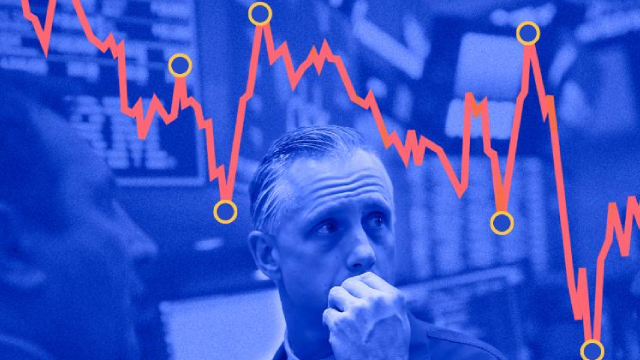
SCHD isn't immune to broad market selloffs, but the ETF has still managed to demonstrate resilience recently. SCHD's reconstitution into more energy and consumer staples offers a mixed outlook, while taking some risks off financial sector plays. In times of uncertainties, SCHD's more defensive exposure into consumer staples might turn out to be right.
SCHD: We're Expecting 20%+ Annualized Returns For The Next Few Years
SCHD, the Schwab U.S. Dividend Equity ETF, is regarded as the 'gold standard' for dividend investing, due to its consistent returns and income generation. We attribute recent underperformance to short-term AI trends and not structural issues; SCHD's robust portfolio construction offers long-term returns. The market sell-off due to tariff panic presents a buying opportunity, with SCHD trading down more than 12% from all-time highs.
Better ETF Buy: Vanguard Dividend Appreciation or Schwab U.S. Dividend Equity
Amid market turmoil, investors often fly to the safety of dividend growth stocks to wait out the storm.

SCHD's Portfolio Shake-Up: What It Means For Investors (Rating Downgrade)
Last week, we woke up to a new reality, with Trump's “Liberation Day” virtually ending decades of free trade. SCHD, thanks to its exposure to mature, dividend-paying companies, is withstanding the market shock better. This year's SCHD's reconstitution was responsible for roughly 20% of holding turnover, including the removal of some heavyweights and major sector shake-up.

3 ETFs to Save Your Portfolio Right Now
Markets are going through a period of volatility that we have not seen since early in the pandemic back in 2020 and, before that, the dot-com crash -- tariffs, concerns around a slower economy, trade wars, and the list goes on. There are plenty of reasons to be concerned right now as an investor, but there are also ways to properly diversify your portfolio to add some stability during this period.

4 Reasons Schwab's High-Yield SCHD ETF Is the Safest Bet Today
Yesterday's wild rally in the stock market where $5.5 trillion in value following President Trump hitting a 90-day pause on his tariffs, exemplifies the dramatic swings investors have experienced for the past five years.




