





Shiba Inu

Shiba Inu's Shibarium Activity Surges 78% As Price Remains under Pressure
Shiba Inu traded relatively flat Saturday as the broader crypto market continued facing volatility following recent liquidations across major digital assets.

SHIB Drops 11%, But Traders Are Watching This Price Level
Shiba Inu's double-digit percentage rally stumbled upon a previously-seen roadblock: the decisive level is here.

Has Shiba Inu entered a cooling phase after its explosive breakout? Assessing
Shiba Inu's 37% rally sparked retail FOMO as whale activity surged and leveraged positions quickly unwound.

835 Billion Shiba Inu (SHIB) in 24 Hours: Whales Are Not Stopping
With about 835 billion SHIB moving through exchanges in the last 24 hours, Shiba Inu has documented yet another wave of enormous whale activity. The narrative that institutional-sized wallets are actively managing exposure around SHIB's recent breakout is reinforced by the most recent on-chain data, which reveals that large holders continue to reposition their assets at an exceptionally high pace despite exchange inflows and outflows remaining elevated.

Shiba Inu's (SHIB) 3rd Biggest Recovery Attempt of 2026 Gets Shut Down: Mini-Gold Cross Cancelled
Almost as quickly as it started, Shiba Inu's most recent attempt at recovery has faltered. SHIB has already given up a significant amount of its gains following an incredible 40% price increase driven by a 12-fold increase in trading volume.

Here's why Shiba Inu's imbalance zone is in focus after price falls by 11%
Should traders be watching a key imbalance zone for signs of buyer demand?
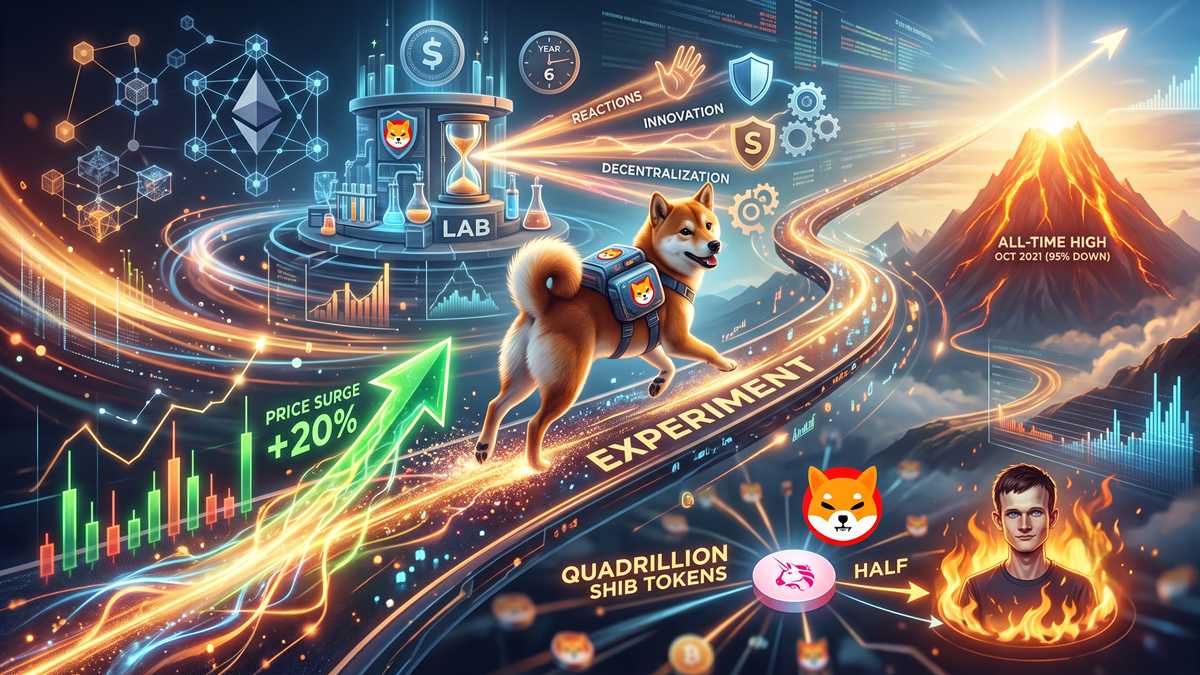
Shiba Inu's Big Experiment Continues: SHIB Team Reacts to Latest Price Surge
The Shiba Inu token accumulated an increase of nearly 20% over seven days, ranking among the top-performing assets within the market's top 30. The project was launched on August 1, 2020, by the anonymous developer Ryoshi through the creation of 1 quadrillion ERC-20 tokens on Ethereum.

SHIB Whales Exit as 37% Rally Triggers Retail FOMO
SHIB whales sell into a 37% rally as retail FOMO rises, while burn activity and resistance levels shape the market outlook.

SHIB Price Whips Up 25% Gains In a Day: Rally Ahead?
The meme coin's community rejoiced following a double-digit percentage rally coming out of nowhere.

Why Shiba Inu (SHIB) Pump Failed: On-Chain Data Reveals How 52 Whales Cashed Out on Retail
Shiba Inu's (SHIB) two-day 37% surge ended according to the classic pump and dump scenario: large holders fully cashed out, selling their coins to late retail investors. Fresh on-chain data from Santiment analysts shows exactly how whales used the wave of mass excitement to lock in profits and leave retail traders with losses.
SHIB rallies 40% as spot inflows surge to $5M, suggesting the move might actually stick
SHIB's rally driven by spot inflows suggests potential for sustained growth, attracting attention from both retail and institutional investors. SHIB rallies 40% as spot inflows surge to $5M, suggesting the move might actually stick.

Dormant SHIB Whale Scoops Up 30.18B Amid Trend Turn
A long-quiet Shiba Inu whale has decided the hibernation period is done.




