



The Obesity ETF (SLIM)
 NASDAQ (NGS) NASDAQ (NGS) Primary
 Summary
SLIM Chart

Viking's Obesity Edge May Be Staying Power, Not Weight Loss
Viking Therapeutics NASDAQ: VKTX stock jumped 36% on Sept. 22. The catalyst was new maintenance data for VK2735, its GLP-1/GIP obesity candidate, which showed that patients maintained most of their weight loss after switching from weekly shots to every-other-week or monthly dosing.

Can Eli Lilly's Two-Drug Obesity Treatment Justify Its $1 Trillion Valuation?
Eli Lilly stakes its trillion-dollar valuation on mid-stage data for a two-drug obesity combo, and the September 30 readout will reveal whether eloraTZP is a genuine franchise leap or an expensive gamble on incremental gains.
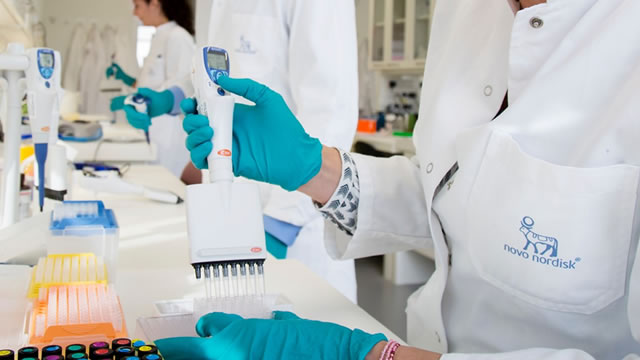
Novo Nordisk Expands Obesity Drug to Children, But Market Hesitates on Adoption
A landmark trial just proved semaglutide can pull children as young as six below the obesity threshold, yet Wall Street shrugged and the real battle over who pays, who prescribes, and whether society is ready has barely begun.
The Obesity ETF (SLIM) FAQ
What is the stock price today?
On which exchange is it traded?
What is its stock symbol?
Does it pay dividends? What is the current yield?
What is its market cap?
Has The Obesity ETF ever had a stock split?
The Obesity ETF Profile
| Health Care Technology Industry | Healthcare Sector | - CEO | NASDAQ (NGS) Exchange | - ISIN |
| United States Country | - Employees | - Last Dividend | - Last Split | - IPO Date |
Overview
The investment fund is designed to provide investors with exposure to companies worldwide that play a significant role in addressing obesity and related health conditions. By tracking the Solactive Obesity Index, the fund aims to mirror the performance of businesses engaged in offering solutions to obesity problems, including those in biotechnology, pharmaceuticals, healthcare, and medical devices specifically focusing on obesity and associated diseases. Additionally, companies involved in weight loss programs, dietary supplements, or the provision of plus-sized apparel are included. The fund commits a minimum of 80% of its net assets to stocks included in the Solactive Obesity Index and is classified as non-diversified, meaning it may invest more heavily in fewer sectors or companies.
Products and Services
- Biotechnology and Pharmaceutical Companies
- Healthcare and Medical Device Companies
- Weight Loss Programs and Supplements
- Plus-Sized Apparel
Investment in biotech and pharmaceutical companies that are at the forefront of developing treatments and medications for obesity and obesity-related conditions. These companies are engaged in groundbreaking research and the development of drugs that could potentially mitigate the effects of obesity on the human body or aid in weight management.
Funding is allocated to healthcare providers and manufacturers of medical devices designed to treat obesity and its complications. This includes surgical and non-surgical weight loss treatments, as well as devices that help monitor and manage patient health related to obesity.
Investment extends to companies providing structured weight loss programs and dietary supplements aimed at helping individuals lose weight. These programs often offer a combination of nutritional guidance, behavioral counseling, and physical activity routines to promote weight loss and healthy living.
The fund also invests in companies that specialize in plus-sized apparel, recognizing the importance of catering to a market segment that demands fashion and comfort regardless of body size. This investment not only acknowledges the growing market demand but also supports inclusivity and the well-being of individuals with obesity.
Contact Information




