


Solana

Validator Reversal Pushes Solana Disinflation Vote Over Line
Solana validators have narrowly approved SGP-0002, a proposal to double the network's annual disinflation rate from 15% to 30%, after a dramatic final stretch in the blockchain's first binding governance vote.
Solana (SOL) Validators Approve Accelerated Inflation Reduction as ETFs See $138M Inflows
The Solana validator community has officially voted to speed up the network's token emission reduction schedule. Known as SGP-0002 or the “Double Disinflation” proposal, the measure achieved 67% approval, with 25.16% voting in opposition and 7.84% choosing to abstain.

Solana Inflation Cut Wins 67 Percent Vote to Slow Future Issuance
Validators back faster disinflation, while technical activation still separates the governance result from lower issuance.

Solana's Avici Faces Ongoing Exploit With More Than $1 Million Stolen
More than $1 million in user funds was drained from the Solana-based crypto card platform, Avici, following a security exploit on Friday.

Avici confirms full refunds for users after Solana card exploit
The Avici incident underscores the critical need for robust security in DeFi, impacting trust in crypto card products and Solana's ecosystem. Avici confirms full refunds for users after Solana card exploit.
Analyst Eyes 900% Upside for Solana as SOL Breaks Above $100
Solana (SOL) has regained the $100 level after a strong weekly rally, putting the cryptocurrency back in focus.

Avici attack drains over $1M from Solana users
An ongoing attack against Solana-based crypto card platform Avici has reportedly drained more than $1 million from user collateral accounts while sending its AVICI token to an all-time low.

Bitwise's Solana ETF Surpasses $1 Billion in AUM in Major Milestone for SOL
Bitwise's Solana Staking ETF, BSOL, has surpassed $1 billion in assets under management roughly 10 months after launch. The fund now represents more than half of total Solana ETF assets. Its growth comes as institutional access to SOL expands, while staking gives investors another way to gain regulated exposure to the Solana ecosystem.
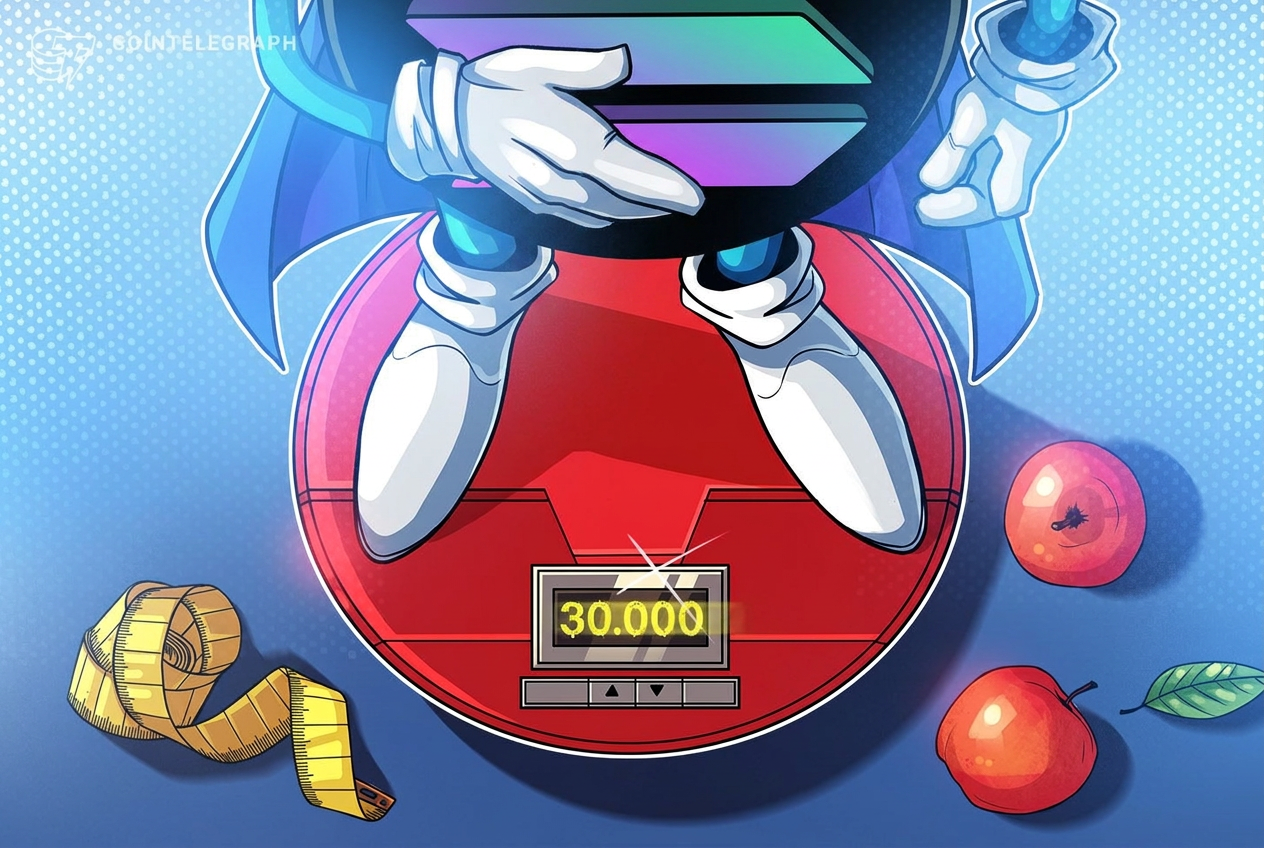
Solana validators approve proposal to accelerate SOL disinflation
The approved proposal doubles Solana's annual disinflation rate from 15% to 30%, reducing future SOL issuance while leaving its long-term inflation target unchanged.

Solana price prediction — Is $125 on the cards after bears get flushed out?
Volatility is on the cards for SOL, but can traders profit from it?

Solana votes to cancel 19M SOL in cliffhanger decision
Solana's accelerated disinflation could lead to reduced staking yields, potentially driving validator centralization and impacting network decentralization. Solana votes to cancel 19M SOL in cliffhanger decision.

Schwab Takes Aim at Crypto Exchanges With SOL, AVAX and LINK
Schwab is expanding beyond Bitcoin and Ethereum, giving millions of investors direct access to altcoins alongside traditional assets.


