



Tempus AI, Inc. (TEM)






Tempus AI Expands Strategic Collaborations to Drive Future Growth
TEM is expanding its precision medicine footprint through strategic collaborations with Moderna, Merck and Recursion, paving the way for future revenue growth.

Should You Buy, Hold or Sell Tempus AI Stock Amid AI Boom?
TEM's strong data licensing growth, AI-driven innovations and rising shares favor holding the stock, but premium valuation and reimbursement risks warrant caution.
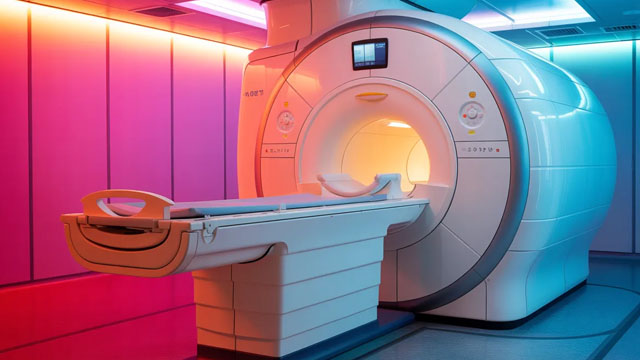
Here's How Tempus AI is Capitalizing on AI-ECG Market Growth
TEM is expanding its cardiovascular portfolio with FDA-cleared AI-ECG tools targeting complex cardiac conditions.

Tempus AI: High Risk, But With A Great Cause
Tempus AI remains a Buy as I increase my position, driven by strategic moves and accelerating growth. TEM's acquisition of Personalis fills a critical MRD monitoring gap, unlocking recurring revenue and enhancing AI data assets. Q2 2026 saw 22% revenue growth, improved margins, and raised full-year guidance, despite continued operating losses.

Tempus AI stock is soaring: does it have more upside to go?
Tempus AI stock continues its strong bull run and is now trading at its highest level since November last year. TEM jumped to $80, up 95% from its lowest level this year, with market capitalization above $14 billion.

Strength Seen in Tempus (TEM): Can Its 14.9% Jump Turn into More Strength?
Tempus (TEM) saw its shares surge in the last session with trading volume being higher than average. The latest trend in earnings estimate revisions may not translate into further price increase in the near term.

Tempus AI, Inc. (TEM) Presents at Morgan Stanley 24th Annual Global Healthcare Conference Transcript
Tempus AI, Inc. (TEM) Presents at Morgan Stanley 24th Annual Global Healthcare Conference Transcript

Tempus AI: Winning With Precision Medicine
Tempus AI, Inc. made a timely move to acquire the Personalis cancer monitoring tests to advance AI-driven precision medicine. Recent cancer vaccine developments from Merck and Moderna reinforce the strategic relevance and growth runway for TEM's platform. The company already had strong momentum with higher test ASPs, with the cancer tests a huge bonus.

Tempus AI: The Data Flywheel Has Started Spinning
Tempus AI reported its first GAAP profit, accelerated data business growth, and raised 2026 revenue guidance to $1.595B–$1.605B (+25% Y/Y). Operating leverage from oncology volume and a mix shift to high-margin Data & Apps (72%-75% GM) drove profitability improvement and narrowed cash outflows. FDA approval for xT CDx and higher xF liquid biopsy ASPs is expected to add ~$400M incremental revenue by 2028, with the Personalis acquisition targeting MRD leadership.

Tempus AI's FDA Win Could Unlock Major Reimbursement Growth Ahead
TEM's FDA approval for xT could unlock $85 million in annual revenue from higher pricing, with bigger gains tied to xF.

Is Tempus AI Worth Buying as Growth Improves but Valuation Stays High?
TEM's faster growth, rising data demand and reimbursement potential strengthen the bull case, but high valuation and cash burn keep risks in focus.

Tempus Q2 Earnings Call Highlights Data Growth and Pricing Upside
TEM raises its 2026 revenue outlook as oncology testing, data demand and FDA-linked pricing gains support growth and cash flow improvement.




