



Tesla, Inc. (TSLA)













Tesla EV Deliveries Slide in 2025: Time to Sell TSLA Stock?
TSLA deliveries decline for the second straight year in 2025 on lower incentives and increased competition.
Tesla Drops For 7 Days Straight - What Is Happening?
Tesla (TSLA) stock has entered a 7-day losing streak, resulting in total losses of 10% during this timeframe. The company's market capitalization has decreased by approximately $163 billion over the past week and currently sits at $1.4 trillion.
Tesla ($TSLA) | Rivian ($RIVN) | XPENG ($XPEV) | Li Auto ($LI) | NIO ($NIO)
Welcome to the Green Stock News brief for Monday January 5th. Here are today's top headlines: In Q4 2025, Tesla (NASDAQ: TSLA) produced 434,000 vehicles, delivered 418,000 vehicles, and deployed a record 14.2 GWh of energy storage.
Tesla Is Finally Toppled by BYD as EV King
BYD is now the world's top seller of electric cars, overtaking Tesla after a decade of dominance by Elon Musk's company. Bloomberg's Ed Ludlow breaks down how the world's richest man came in second.
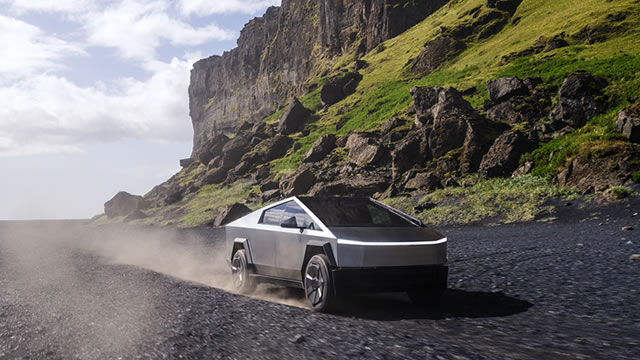
Tesla Fails to Step Over Wall Street's Already Low Bar
Analysts anticipated weak fourth-quarter vehicle deliveries from Tesla ( NASDAQ:TSLA ), with estimates indicating a 15% decline as consumer demand dried up due to the expiration of federal electric vehicle (EV) tax credits.
Wall Street analysts set Tesla stock price for the next 12 months
In the wake of Tesla (NASDAQ: TSLA) reporting weaker-than-expected vehicle deliveries for the fourth quarter of 2025, some on Wall Street are projecting potential downside for the stock in the year ahead.
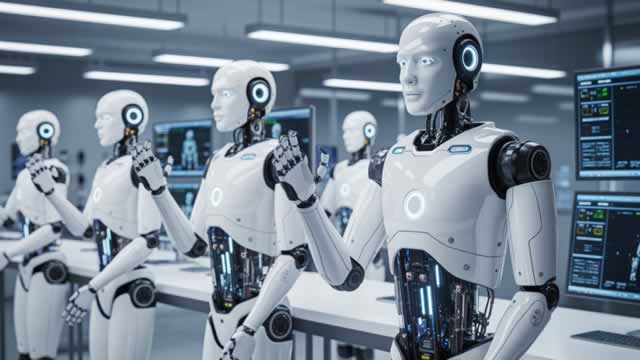
Inside Elon Musk's Optimus Robot Project
The billionaire has bet Tesla's future on humanoids, which for now rely on human helpers.

The Score: Lululemon, Tesla, Delta, Nike and More Stocks That Defined the Week
Here are some of the major companies whose stocks moved on the week's news.
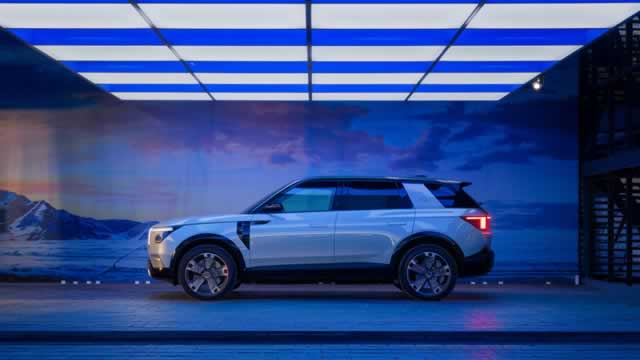
Tesla Shares Drop After Deliveries Fell In Q4—Its Chinese Rival Was 2025's Biggest EV Maker
4.54 million. That is the total number of passenger vehicles BYD delivered in 2025 as, unlike Tesla, the Chinese carmaker also makes plug-in hybrids.
Tesla loses title as world's biggest electric carmaker
Tesla lost its crown as the world's bestselling electric vehicle maker on Friday as a customer revolt over Elon Musk's right-wing politics, expiring U.S. tax breaks for buyers, and stiff overseas competition pushed sales down for a second year in a row.
Tesla EV Sales Fall for Second Straight Year as Investors Shift Focus to New Growth Areas
A disappointing year of electric vehicle sales is finally in the rear-view mirror for Tesla (TSLA).
Tesla loses title as world's biggest electric vehicle maker as sales fall for second year in a row
Tesla lost its crown as the world's bestselling electric vehicle maker on Friday as a customer revolt over Elon Musk's right-wing politics, expiring U.S. tax breaks for buyers and stiff overseas competition pushed sales down for a second year in a row.




