



Tesla, Inc. (TSLA)













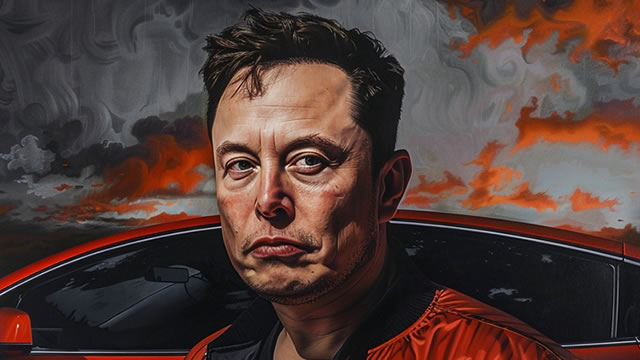
Tesla: No Longer Just An Automotive Company But An AI Leader (Rating Upgrade)
Tesla's valuation is now primarily driven by its robotaxi and humanoid robotics ambitions, not near-term automotive delivery growth/decline. Despite recent deliveries disappointment and renewed political fallout with Trump, investor sentiment has remained remarkably robust. The market is starting to price in significant operating income potential from robotaxi deployment, with a medium-term outlook in the next five years.
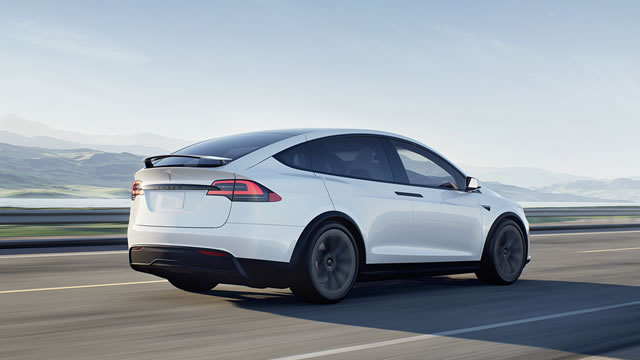
Tesla is headed to trial over another deadly Autopilot crash
Tesla is going to trial in Florida federal court over a wrongful-death lawsuit. The suit blames Tesla and its Autopilot system for a 2019 crash that killed a 22-year-old woman.
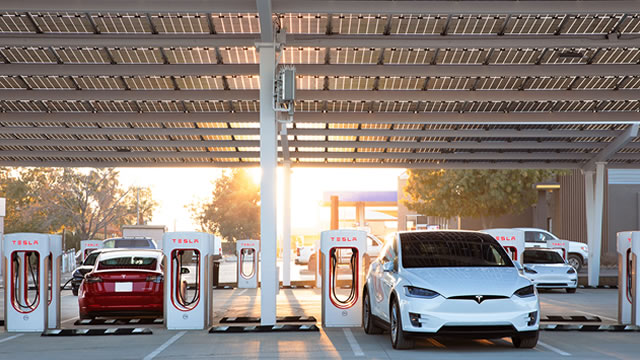
Tesla reportedly close to starting sales in India
Tesla is nearly ready to start selling its electric vehicles in India, according to Bloomberg News, after years of flirting with the idea. The company is about to open its first showroom in Mumbai and could start deliveries as early as August, according to the report.
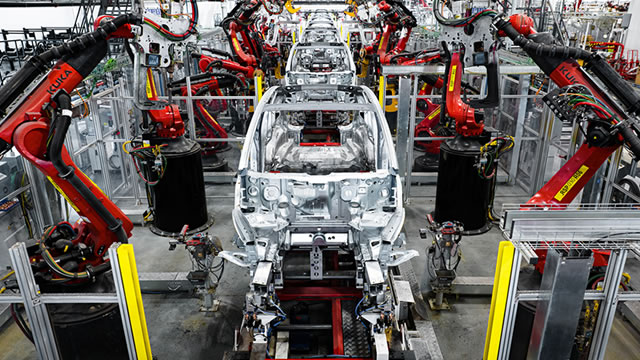
Tesla to officially launch in India with planned showroom opening
Tesla will open a showroom in the Maker Maxity Mall at the Bandra Kurla Complex in Mumbai on July 15. It will mark the first official foray by Tesla into India.
Tesla's feckless board needs to rein in Elon Musk before it's too late
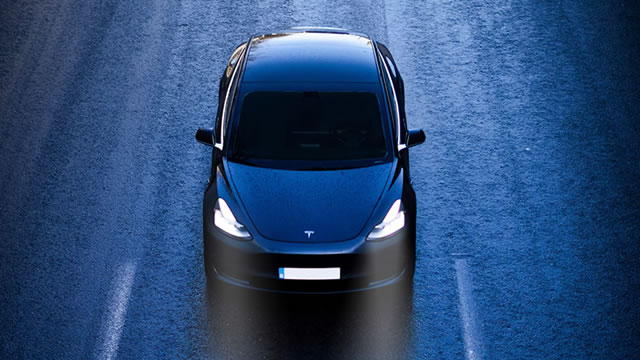
Since the beginning of the year, shares are down around 20%; the S&P is up about 7%, All of which is putting pressure on Tesla's board to intervene.
Norway's Tesla obsession defies Europe's Musk backlash
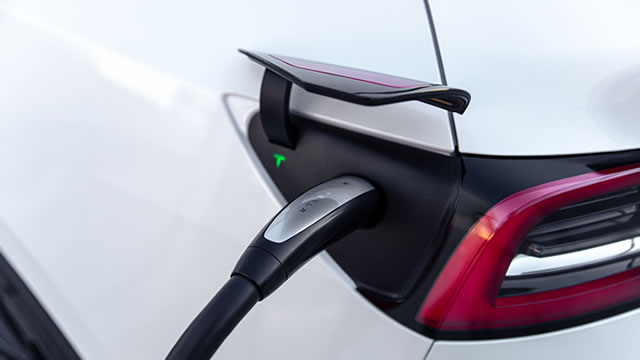
Tesla sales are soaring in EV-friendly Norway despite a sustained slump across the rest of Europe. Christina Bu, secretary general of the Norwegian EV Association (NEVA), said Tesla's revamped Model Y is "definitely part of the reason" for its recent sales boost.
Tesla is already trying to expand its Robotaxi service to Arizona
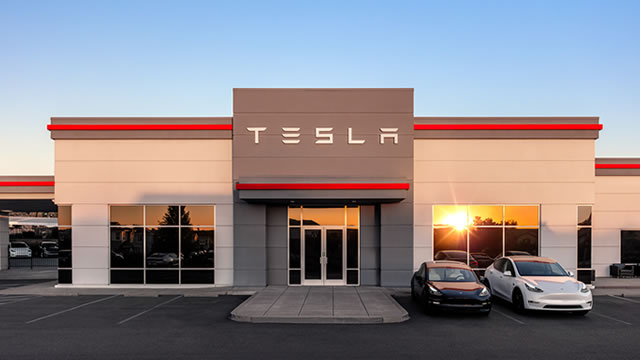
Tesla has applied to test and operate autonomous vehicles in Arizona in a bid to bring its fledgling robotaxi service to the Metro Phoenix area, the state's Department of Transportation confirmed to TechCrunch.
Tesla moves to expand Robotaxi to Phoenix, following rival Waymo
Tesla has applied to test and operate its Robotaxis in Arizona, CNBC confirmed Thursday. The effort to expand to Arizona comes after Tesla in June began a pilot test of its robotaxis in Austin, Texas.
Tesla: The Rise Of An Autonomous Empire
Tesla, Inc. is making a fundamental pivot from its history as an EV manufacturer to a company focused on AI and autonomy. Tesla's long-term growth is driven by scaling its Robotaxi platform, and energy storage, with a longer-term TSLA investment in robotics through its Optimus division. Vertical integration across manufacturing, AI, and infrastructure supports cost efficiency and scalability.
Is Tesla Facing Roadblocks in Robotaxis' San Francisco Expansion?
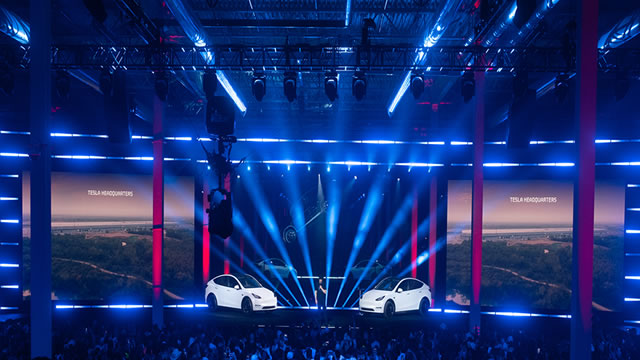
TSLA eyes San Francisco for its next robotaxi rollout, but regulatory hurdles could slow its autonomous drive.
Here's when the Tesla shareholder meeting is happening — and why it matters
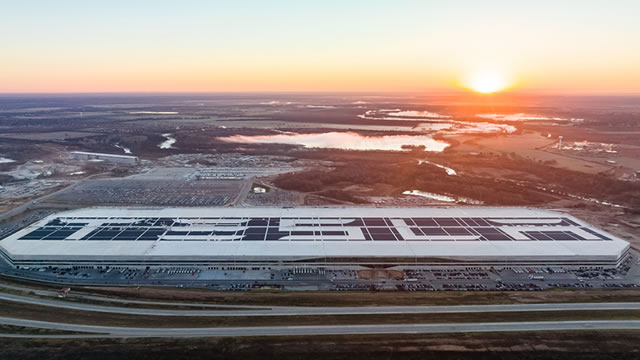
After being called out by a group of investors, Tesla has set a date for its annual gathering.
Robotaxi Expansion, xAI's Grok Chatbot Coming to Teslas Soon, Musk Says
Tesla (TSLA) will likely expand its robotaxi service in the coming weeks and months, and will also soon have Grok, the chatbot made by another Elon Musk-owned company, added to its vehicles likely by next week.




