



Tesla, Inc. (TSLA)













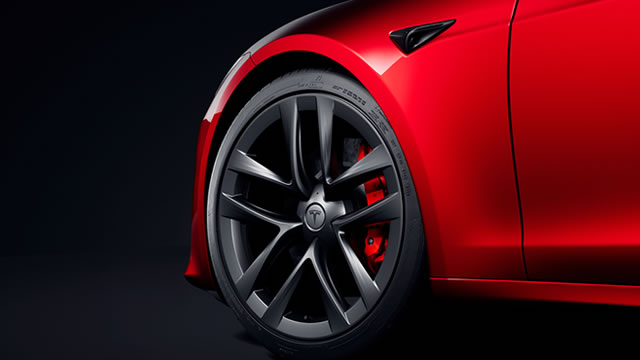
Tesla Deletes Buy Option for Model S and X From China Website
Tesla has removed the option for purchases of new Model S and Model X vehicles on its China website as trade tensions between the world's two largest economies escalate.
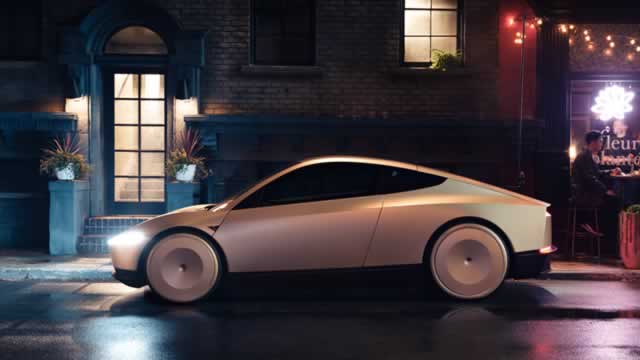
Tesla reportedly suspends Chinese online sales
Tesla Inc (NASDAQ:TSLA) has halted new orders for its Model S and Model X vehicles on its Chinese website and WeChat mini programme, according to Reuters. The electric carmaker offered no explanation for the move, which follows Beijing's decision to slap 84% tariffs on US-made goods.
Tesla Stock Falls Again to End a Wild Week. Why It Must Stay Above This Level.
Volatility begets more volatility. The EV maker's investors know that all too well.
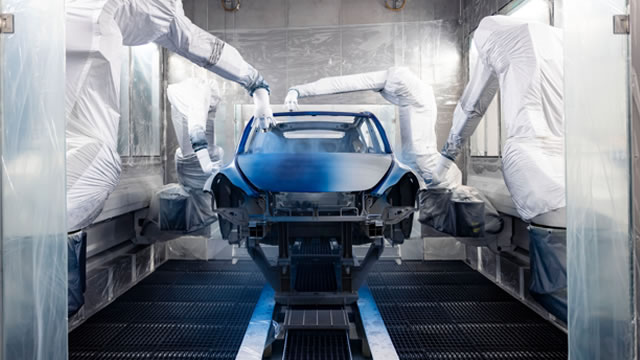
Tesla opens first showroom in oil-rich Saudi
The Tesla electric vehicle company owned by billionaire Elon Musk on Thursday opened its first showrooms in oil-rich Saudi Arabia—where hybrid cars remain a rare sight.
Tesla suspends taking new orders for Model S and Model X on Chinese website
Tesla has suspended taking new orders for Model S and Model X vehicles on its Chinese website, according to checks made by Reuters on Friday.
Tesla launches new Cybertruck variant in US, priced at $69,990
Tesla on Thursday said it has launched a new version of Cybertruck in the United States, priced at $69,990.
Cybertrucks in the desert: Tesla launches in Saudi Arabia
Tesla launched operations in Saudi Arabia on Thursday, a sign that Chief Executive Elon Musk has patched up relations with the kingdom and that the oil capital was moving forward with an ambitious electric-vehicle policy.
Why Tesla Stock Is Plummeting Today
Shares of Tesla (TSLA -10.45%) are falling on Thursday. The electric vehicle maker's stock lost 9.5% as of 11:50 a.m.
Tesla launches in Saudi Arabia amid Chinese competition and tumbling sales
EVs accounted for just 1% of all car sales in the kingdom in 2024, according to PwC. Saudi Arabia is developing its own local EV manufacturing and has a majority stake in California-based EV maker Lucid Motors.
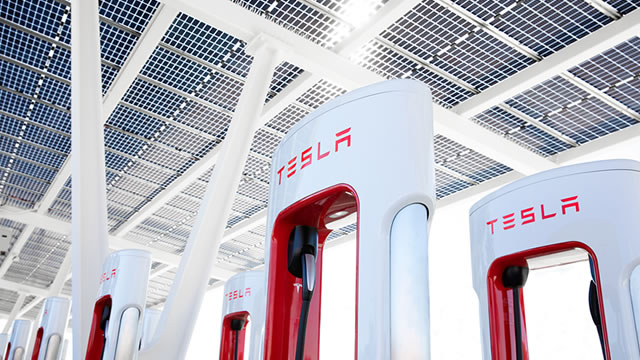
Tesla: Load Up, Buckle In, And Ignore The Bears
The Trump Put has arrived, putting an all-important line in the sand to stymie further market downside (for now). Tesla also surged 20%, highlighting the readiness of Tesla bulls to deploy funds and partake in the possible recovery. Tesla's well-diversified manufacturing footprint and solid profitability is well-positioned to navigate the tariff headwinds. I explain why.
Amtech Systems, Tesla And Other Big Stocks Moving Lower In Thursday's Pre-Market Session
U.S. stock futures were lower this morning, with the Dow futures falling around 1% on Thursday.
Tesla Stock Soared 23%. There Are Still a Couple of Problems.
The EV maker's shares, along with those of other auto makers, rallied after President Donald Trump's decision to pause some tariffs. The car industry still faces stiff levies, though.




