



Taiwan Semiconductor Manufacturing Co. Ltd. ADR (TSM)






TSMC: Why Premium Multiples Don't Matter For The King Of Foundries
Taiwan Semiconductor (TSM) remains the industry leader, delivering exceptional revenue and EPS growth, underpinned by dominant market share in advanced chip manufacturing. TSM consistently outpaces consensus expectations, with FY2026 revenue now forecast at $163.8B — a 27.5% increase from prior estimates — driven by surging AI and data center demand. Despite elevated valuation multiples, TSM's robust free cash flow, margin expansion, and $106B cash position justify a continued bullish rating.
TSM at $426: Bubble Territory or a Buy for the Next AI Supercycle?
TSM has nearly doubled in a year, but AI-driven growth, tight capacity and a 30%+ 2026 revenue outlook raise questions about how far it can run.
Taiwan Semi Price Prediction and Forecast 2026–2030: How Much Upside Ahead?
Taiwan Semiconductor Manufacturing (NYSE:TSM | TSM Price Prediction) is the most important company in the AI supply chain that nobody can replace.
TSMC (TSM) Registers a Bigger Fall Than the Market: Important Facts to Note
TSMC (TSM) reached $425.83 at the closing of the latest trading day, reflecting a -3.53% change compared to its last close.
Is It Worth Investing in TSMC (TSM) Based on Wall Street's Bullish Views?
Investors often turn to recommendations made by Wall Street analysts before making a Buy, Sell, or Hold decision about a stock. While media reports about rating changes by these brokerage-firm employed (or sell-side) analysts often affect a stock's price, do they really matter?

Taiwan Semiconductor Manufacturing Company Ltd. (TSM) Is a Trending Stock: Facts to Know Before Betting on It
Recently, Zacks.com users have been paying close attention to TSMC (TSM). This makes it worthwhile to examine what the stock has in store.

SpaceX Just Passed TSM. Can It Overtake Amazon This Week?
SpaceX ( NASDAQ:SPCX ) spent more than two decades transforming itself from an ambitious rocket startup into one of the world's most important technology companies.
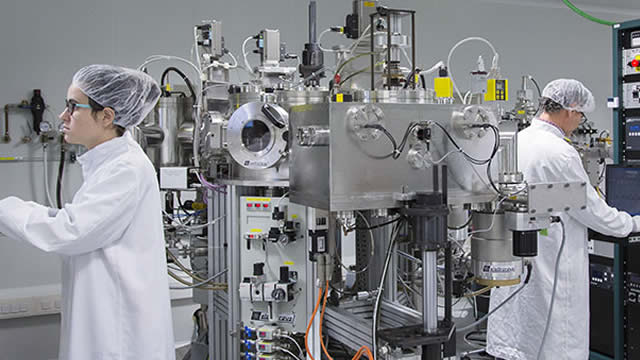
TSMC boss frets about shortages of talent, water in Taiwan
The head of Taiwan's TSMC , the world's largest contract chipmaker, said on Friday that what his company lacks most is talent, while also worrying about water shortages.
Why TSMC (TSM) Outpaced the Stock Market Today
In the closing of the recent trading day, TSMC (TSM) stood at $426.8, denoting a +2.8% move from the preceding trading day.
Taiwan Semiconductor Manufacturing Company Ltd. (TSM) is Attracting Investor Attention: Here is What You Should Know
TSMC (TSM) has received quite a bit of attention from Zacks.com users lately. Therefore, it is wise to be aware of the facts that can impact the stock's prospects.
Got $10,000? TSM vs Micron: The Better Buy in 2026
Taiwan Semiconductor Manufacturing (NYSE:TSM | TSM Price Prediction) and Micron Technology (NASDAQ:MU) sit at two different floors of the same AI building.

Taiwan Semiconductor Delivers 2,095% Gain Over 10 Years. Will It Continue To Outperform?
A decade ago, Taiwan Semiconductor Manufacturing (NYSE: TSM | TSM Price Prediction) was respected but boring.




