



Taiwan Semiconductor Manufacturing Co. Ltd. ADR (TSM)







How Big Will Taiwan Semiconductor's Beat Be on April 16?
Taiwan Semiconductor Manufacturing (NYSE:TSM) reports first-quarter 2026 results on April 16, before the market opens.
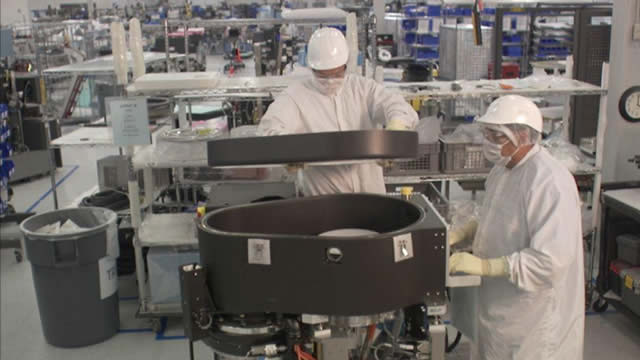
Can TSM Meet FY26 Margin Guidance Amid Fab Expansion Cost Pressures?
TSM targets gross margin expansion in 2026 despite costly global fab expansion, banking on AI chip demand, scale and utilization to offset rising overseas production expenses.
Investors Heavily Search Taiwan Semiconductor Manufacturing Company Ltd. (TSM): Here is What You Need to Know
Recently, Zacks.com users have been paying close attention to TSMC (TSM). This makes it worthwhile to examine what the stock has in store.

TSMC plans 3-nanometre chip production launch in Japan in 2028
TSMC , the world's largest contract chipmaker, is expected to launch equipment installation and mass production of 3-nanometre wafers in 2028 at its second factory in Japan, according to a Taiwanese government filing late on Tuesday.
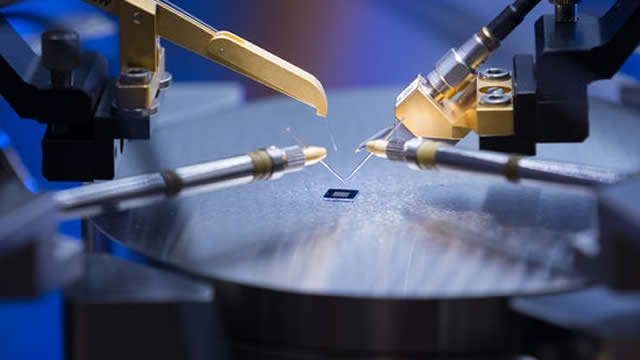
Will TSM's Advanced Packaging Push Unlock a New Growth Phase?
Taiwan Semiconductor bets big on advanced packaging as AI demand surges, targeting faster growth and a bigger role in next-generation chip innovation.
TSMC (TSM) Falls More Steeply Than Broader Market: What Investors Need to Know
In the most recent trading session, TSMC (TSM) closed at $316.5, indicating a -3.13% shift from the previous trading day.

Will TSM's Aggressive Capex Plan Strengthen Its Foundry Dominance?
Taiwan Semiconductor ramps up capex to $52B-$56B in 2026, doubling down on advanced nodes and global fabs to cement its lead in AI-driven chip demand.
New Nuclear ETF Swaps TSM for Broadcom in Rebalance
The ALPS Nautilus SMR, Nuclear & Technology ETF (SMRF) replaced Taiwan Semiconductor Manufacturing Co. (TSM) with Broadcom Inc. (AVGO) during its March rebalancing, signaling a shift in how the month-old nuclear ETF approaches its technology sleeve.
TSM vs. AVGO: Which is a Better Semiconductor Stock?
Chip maker Taiwan Semiconductor Manufacturing (NYSE:TSM) reported its Q4 2025 results in January, while Broadcom (NASDAQ:AVGO | AVGO Price Prediction) filed its Q1 FY2026 results in March.
TSMC (TSM) Ascends While Market Falls: Some Facts to Note
TSMC (TSM) closed the most recent trading day at $343.25, moving +1.42% from the previous trading session.

Taiwan Semiconductor Manufacturing Company Ltd. (TSM) is Attracting Investor Attention: Here is What You Should Know
TSMC (TSM) has received quite a bit of attention from Zacks.com users lately. Therefore, it is wise to be aware of the facts that can impact the stock's prospects.
Will AI-Driven Chip Demand Help TSM Meet 2026 Revenue Growth Goal?
Taiwan Semiconductor rides on the AI chip boom as surging demand and global fab expansion position it to chase a projected 30% revenue growth target in 2026.




