



Uber Technologies, Inc. (UBER)















Uber's strong quarter masks a stock that has lost its way
Uber Technologies Inc (NYSE:UBER, XETRA:UT8) posted one of its most operationally convincing quarters in years this week, yet the results did little to resolve a question that has hung over the stock for much of the past 12 months: whether the ride-hailing and delivery giant can translate genuine business momentum into a share price that reflects it. First-quarter gross bookings of $53.7 billion, up 25% year-on-year, came in ahead of analyst expectations, and the company's 50 million Uber One subscribers, its loyalty programme, represent a milestone that speaks to deepening customer engagement across both its mobility and delivery arms.
UBER Q1 Earnings Surpass Estimates, Revenues Increase Year Over Year
Uber posts a Q1 EPS beat as revenues increase 14% y/y, with Delivery up 34% and total gross bookings topping guidance.
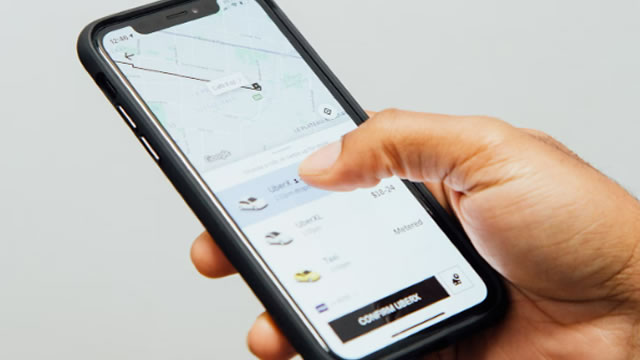
Ahold Delhaize & Uber Eats Expand Partnership: Upside Ahead?
UBER expands Uber Eats grocery delivery with Ahold Delhaize USA, adding nearly 2,000 Northeast/Mid-Atlantic stores, promos, Uber One perks and SNAP/EBT.
Uber shares surge after strong first-quarter results, bullish guidance
Shares of Uber Technologies Inc (NYSE:UBER, XETRA:UT8) jumped 8.4% on Wednesday after the ride-hailing and delivery giant reported first-quarter results that beat earnings expectations and issued second-quarter guidance above consensus estimates. Uber posted first-quarter revenue of $13.2 billion, up 14% year-over-year, slightly below analyst estimates of $13.31 billion.

Bulls Pounce on Rideshare Stock Amid Upbeat Outlook
The shares of Uber Technologies Inc (NYSE:UBER) are 8.1% higher to trade at $78.87 at last glance, brushing off first-quarter revenue that came in slightly below estimates after the rideshare giant announced an upbeat current-quarter outlook.

Uber's stock surges as deliveries business shows surprising strength
Uber's stock surged toward its best day in 11 months as bookings surged, led by strength in the delivery business.

Uber Technologies (UBER) Q1 Earnings Beat Estimates
Uber Technologies (UBER) came out with quarterly earnings of $0.72 per share, beating the Zacks Consensus Estimate of $0.7 per share. This compares to earnings of $0.83 per share a year ago.

Everyone's Talking About Uber. Smart Money Is Watching Grab's Profitability Inflection Instead
Every retail investor with a brokerage app is staring at Uber (NYSE:UBER | UBER Price Prediction) right now, drawn in by robotaxi headlines and a $152.16B market cap that has turned the rideshare giant into the default gig-economy proxy.

Uber and Disney are seeing the same remarkable dynamic in this economy. Both stocks are surging
Uber and Disney pointed to a remarkably resilient spending backdrop, with consumers continuing to shell out for rides, food delivery, vacations and theme park trips. "The consumers are spending, they're spending locally, and we don't see any signs of that weakening at this point," CEO Dara Khosrowshahi said.

Nuro receives driverless testing permit ahead of Uber robotaxi service launch
Nuro has been granted a permit to begin driverless testing of Lucid Gravity SUVs equipped with its autonomous tech on California public roads — vehicles that will eventually be used in Uber's premium robotaxi service. But the Silicon Valley-based startup, backed by Nvidia and Uber, says it isn't quite ready to begin.

Here's How Much Traders Expect Uber Stock to Move After Earnings
Uber Technologies is set to report its latest quarterly results ahead of the opening bell Wednesday, with a big move expected from the rideshare giant's stock following the results.

Uber and Lyft Earnings: How Have Expectations Evolved?
There are many notable ‘duos' in the market, a list that includes Uber Technologies UBER and Lyft LYFT. Both companies facilitate the same type of service, though UBER's reach does extend to food delivery and others as well.




