






UGA: Three Engines Of Return, And One Worries Me Today
The United States Gasoline Fund surged 139% YTD, driven by gasoline scarcity, elevated crack spreads, and roll/collateral yields. UGA's outperformance stems from downstream exposure, positive roll yield from backwardation, and collateral interest, not just gasoline price appreciation. Physical scarcity, high crack spreads, and elevated rates underpin UGA's returns, but in my opinion, all depend on the same supply constraints, raising reversal risk.

UGA Going Into An Unusual Offseason
The U.S. Gasoline Fund is rated a cautious Buy as geopolitical risks in the Middle East override typical bearish seasonality. UGA reached an all-time high in September 2026, despite gasoline futures trading below 2022 record highs, highlighting tracking discrepancies. Escalating conflict and supply uncertainty in the Middle East are driving gasoline prices higher, bucking traditional seasonal trends.

Gasoline ETF (UGA) Touches New 52-Week High
UGA hits a 52-week high after surging 141.6%, likely fueled by Middle East tensions, refinery outages and inventory drawdowns.

Gasoline ETF (UGA) Hits New 52-Week High
UGA hit a new 52-week high as gasoline prices surged on Middle East tensions. Can the momentum continue?

UGA: A Seasonal Long Put Spreads Could Be Interesting
The United States Gasoline Fund LP ETF trades above $100, reflecting seasonal gasoline price strength during the 2026 driving season. Gasoline futures and refining spreads remain elevated, but the forward curve signals significant price declines into the 2026/2027 offseason. UGA faces substantial downside risk post-driving season, with ETF grades highlighting high momentum but poor risk and expense metrics.
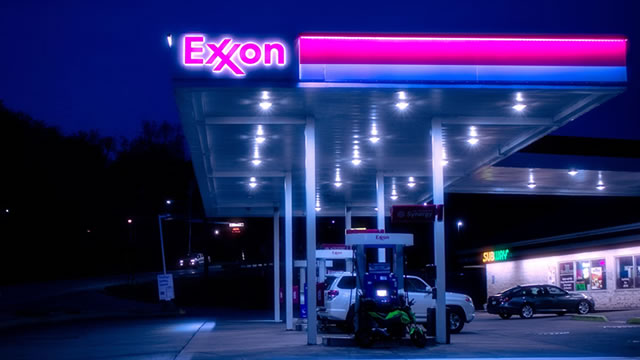
Gasoline ETF in Focus Ahead of Memorial Day Travel
Gasoline prices are projected to be among the lowest in recent decades for the holiday, putting UGA in focus.

UGA: The Gasoline ETF As The Driving Season Ends
Gasoline prices face volatility as the 2024 U.S. election approaches, with the United States Gasoline Fund, LP ETF offering a valuable trading tool. Seasonality and the weak Chinese economy may lead to lower gasoline prices, while OPEC+ control and Middle East tensions could spike prices. The UGA ETF tracks gasoline futures prices, showing potential for rallies and declines based on various factors impacting the oil market.

UGA: The Case For Gasoline Prices Over The Coming Months
Gasoline demand increases during the summer due to increased mileage from drivers. Gasoline prices have been trending higher since early June, with a bullish trend in 2024. The November U.S. election will determine U.S. energy policy, impacting crude oil and gasoline prices for the coming years.

UGA: The Way To Play Gasoline
Gasoline demand remains strong despite the push for clean energy. United States Gasoline Fund, LP ETF, provides access to gasoline performance through futures contracts. UGA offers direct exposure to the gasoline market, a potential hedge against inflation, but subject to high volatility and the potential impact of electric vehicle adoption.




