



UnitedHealth Group Incorporated (UNH)











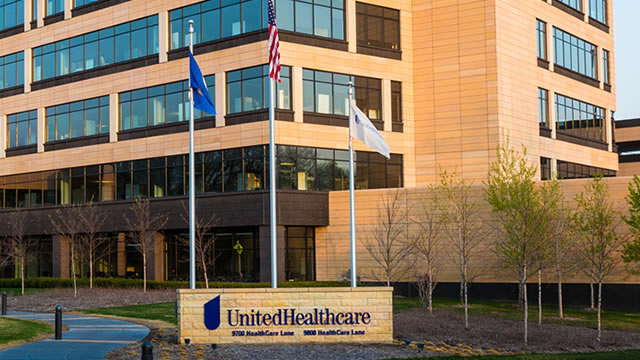
Will UnitedHealth (UNH) Beat Estimates Again in Its Next Earnings Report?
UnitedHealth (UNH) has an impressive earnings surprise history and currently possesses the right combination of the two key ingredients for a likely beat in its next quarterly report.
UnitedHealth: Looking Ahead To Q4 Earnings
UnitedHealth Group Incorporated's Q4 results are expected to surface on January 16th, with analysts expecting revenue to settle at $101.76 billion and EPS at $6.26. In our view, UnitedHealthcare's sustainable growth and Optum's robust performance, especially in Optum Health and Optum Rx, suggest continued top-line growth and potential for higher profit margins. UnitedHealth's valuation metrics indicate a potential buy-the-dip opportunity, with forward ratios mostly below their five-year averages and a promising dividend profile.
UnitedHealth Earnings Are Imminent; These Most Accurate Analysts Revise Forecasts Ahead Of Earnings Call
UnitedHealth Group Incorporated UNH will release earnings results for its fourth quarter, before the opening bell on Thursday, Jan. 16, 2025.

UnitedHealth's $3.3B Merger Stalls as VitalCaring Sale Falls Through
UNH and AMED are now expected to identify new buyers for the divestment assets by March 2025.
UnitedHealth Group (UNH) Earnings Expected to Grow: What to Know Ahead of Next Week's Release
UnitedHealth (UNH) doesn't possess the right combination of the two key ingredients for a likely earnings beat in its upcoming report. Get prepared with the key expectations.

Shareholders urge UnitedHealth to analyze impact of healthcare denials
UnitedHealth Group shareholders on Wednesday said they requested the company prepare a report on the costs and public health impact related to its "practices that limit or delay access to healthcare."

Final Trades: Apollo, UnitedHealth, Boston Scientific and the IYF
The Investment Committee give you their top stocks to watch for the second half.

UnitedHealth Group (UNH) Rises But Trails Market: What Investors Should Know
UnitedHealth Group (UNH) closed the most recent trading day at $513.67, moving +0.13% from the previous trading session.

Why UnitedHealth Group Stock Lost 17% in December
Shares of UnitedHealth Group (UNH 1.83%) were pulling back in December due to a backlash against the company following the murder of one of its executives and reports of a potential crackdown on pharmacy benefit managers (PBMs), including UnitedHealth's OptumRx.

Here's Why UnitedHealth Group (UNH) is a Strong Value Stock
The Zacks Style Scores offers investors a way to easily find top-rated stocks based on their investing style. Here's why you should take advantage.

UnitedHealth Group CEO Reportedly Says Company Will Hit Financial Records: Exec's Murder, Public Outcry Are Backdrop For Q4 Earnings
The death of UnitedHealthcare CEO Brian Thompson shocked the health insurance industry and could be on the minds of investors and analysts when the insurance company's parent UnitedHealth Group UNH reports fourth-quarter financial results on Jan. 16.
Is UnitedHealth Group Stock a Buy?
The U.S. healthcare system is a behemoth -- in 2023, industrywide expenditures totaled $4.9 trillion, or $14,570 per American. UnitedHealth Group (UNH -0.23%) is at the industry's center.




