





USD Coin
Circle Earnings in 4 Days Could Be a Defining Moment for USDC's Future in Crypto Markets
Circle will present its financial results on May 11, a report that will have a direct impact on USDC and the stablecoin market. The company has been positioning USDC as key infrastructure for the agentic economy, where AI systems would conduct autonomous transactions online.

Coinbase, AWS enable AI agents to make crypto micropayments using USDC
Coinbase and AWS have integrated USDC payments into AI systems, allowing agents to transact independently through micropayments.
DTCC Targets July Tokenized-Asset Trading After BlackRock, Circle Input
The Depository Trust & Clearing Corporation plans to launch a limited tokenized-asset trading service in July, following input from major financial players including BlackRock and Circle, according to a DTCC announcement.
DTC to begin tokenized asset rollout in July ahead of full launch as it gets feedback from BlackRock, Circle and others
The Depository Trust & Clearing Corporation will roll out its tokenization service as it gathers feedback from firms like BlackRock to Circle.
Circle Launches Nanopayments on Mainnet, Enabling USDC Micro-Transactions for Agentic Economy
Circle (NYSE:CRCL) has officially activated its Nanopayments solution on mainnet, powered by Circle Gateway. This development creates a specialized payment infrastructure tailored for the emerging agentic economy, where autonomous software agents, APIs, and machine-driven systems handle frequent, tiny-value exchanges.
Blackrock and Circle Lead Tokenized Treasuries as Market Value Climbs to $15.20B
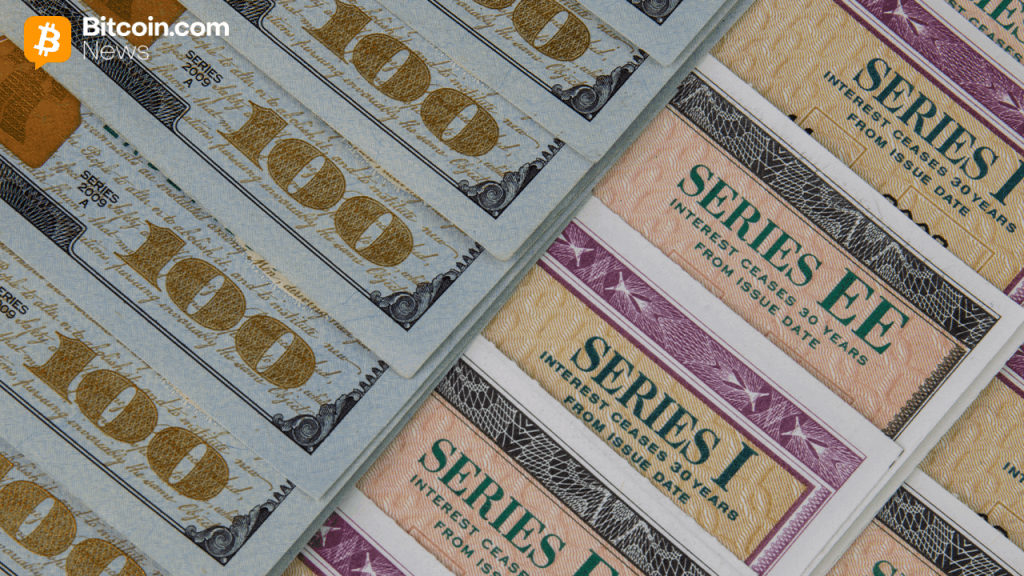
At the outset of May, the total market valuation of tokenized U.S. Treasuries sits at $15.20 billion, following $1.06 billion in added value over the past 30 days. Among 71 distinct assets tracked by rwa.xyz, the average annual percentage yield ( APY) registered at 3.36% over the past week. Key Takeaways: rwa.

Latam Insights: Brazil Bans Crypto Transfers as Meta Launches USDC Payouts
Welcome to Latam Insights, a compilation of the most relevant crypto news from Latin America over the past week. In this edition, Brazil's central bank issues a resolution banning the use of crypto rails in regulated cross-border payments, Bitso estimates 40% of all crypto purchases include stablecoins, and Meta launches USDC payments in Colombia.
Circle Stock Jumps 7.7% as Institutional Buying and USDC Growth Drive Rebound
Shares of Circle Internet Group ($CRCL) jumped 7.7% in the latest session to close at $99.70, signaling renewed confidence after the stock pulled back from its recent peak near $135. The rebound is drawing attention not only for the price action but also for what appears to be intensifying 'institutional demand' tied to stronger-than-expected earnings and continued expansion of the USDC ecosystem.
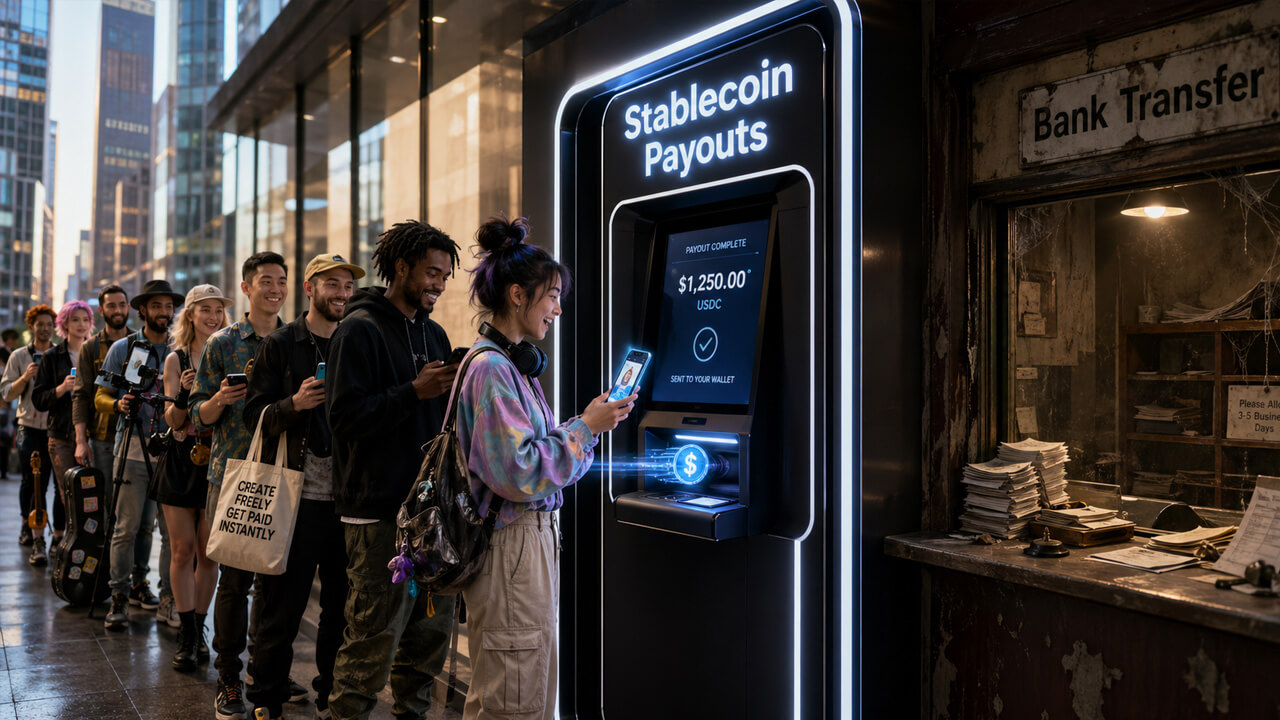
Meta's USDC pilot shows how stablecoins could capture billions in creator payouts
Libra launched in 2019, rebranded to Diem, and sold its blockchain assets to Silvergate Bank in 2022, three years of work that ended when regulators pushed back, and bank partners withdrew. On Apr.
Meta launches USDC payment feature for select creators
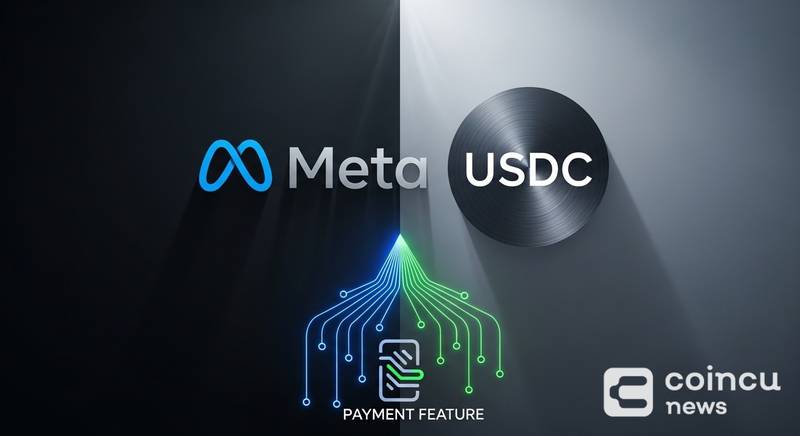
Meta has launched a USDC payment feature for select creators, marking the company's first known integration of stablecoin-based payouts into its creator monetization infrastructure. The feature is currently limited to a restricted group of creators rather than available platform-wide.

Coinbase Brings USDC Payouts to Nium's Network Across 190+ Countries
Coinbase has partnered with Nium to enable global payments using USD Coin, expanding stablecoin use in cross-border transactions. The integration reflects growing demand for faster settlement and reduced reliance on traditional banking infrastructure. Key Takeaways: Coinbase expands USDC payments through Nium's network across 190+ countries.
USDC Circulating Supply Falls by $700M in 7 Days to $78B
The circulating supply of USDC fell by approximately 700 million over the past seven days, bringing the total to roughly 78 billion. The decline, amounting to about 0.9% of the prior week's level, signals that redemptions outpaced new issuance during the period.




