




Tether

US targets $17 billion Russia-linked crypto payment network using USDT as an escape route
OFAC's October 1 designation expands blocking sanctions to the broader network, while FinCEN's separate sub-agent transfer restriction remains proposed.

Binance Records 30.5666 Million USDT Net Inflow in One Hour
The inflow means more Tether USDt entered Binance than left during the measured period, though the amount has no separate dollar valuation.

Blumenthal Flags Tether's USDT as Iran Sanctions ‘Superhighway'
Democratic staff on the Senate Permanent Subcommittee on Investigations analyzed 846 Iran-linked wallets and found 84% transacted exclusively or almost exclusively in USDT, prompting Blumenthal to seek federal investigations. The inquiry criticizes Tether's historical wallet-freezing practices but does not establish that the company violated federal law.

Tether's Excess Reserves Fell 50% During the Second Quarter
Tether's cushion fell to $4.11 billion by June 30 from $8.23 billion three months earlier, while liabilities changed by about $106 million.

Blumenthal Seeks US Probe of Tether Over Iran Sanctions Evasion
A Senate investigation examined 846 Iran-linked wallets and found 84% used USDT exclusively or nearly exclusively.
US Senator Blumenthal Calls Tether's USDT a 'Superhighway' for Iranian Sanctions Evasion
The Connecticut Senator's subcommittee released its report on Monday and referred the findings to Treasury and the Justice Department.

Binance Records $46.0059 Million USDT Net Outflow in One Hour
The net movement was recorded during the latest one-hour period.

Binance Pay lets visitors spend USDT at PayPay merchants in Japan
Binance Pay will let overseas users spend USDT at most PayPay-supported merchants in Japan through HIVEX, while stores receive yen.

DOJ Targets $84 Million in Capstone Accounts Linked to Tether Partner Bank
Federal prosecutors in California have moved to keep tens of millions of dollars taken from accounts and digital wallets tied to Capstone Ltd., a Montana-registered payments company that authorities say handled large transfers connected to crypto clients.
Tether mints $494M in XAUt gold-backed tokens
Tether's expansion into tokenized gold could redefine asset management, offering broader access to gold-backed financial instruments and liquidity. Tether mints $494M in XAUt gold-backed tokens.
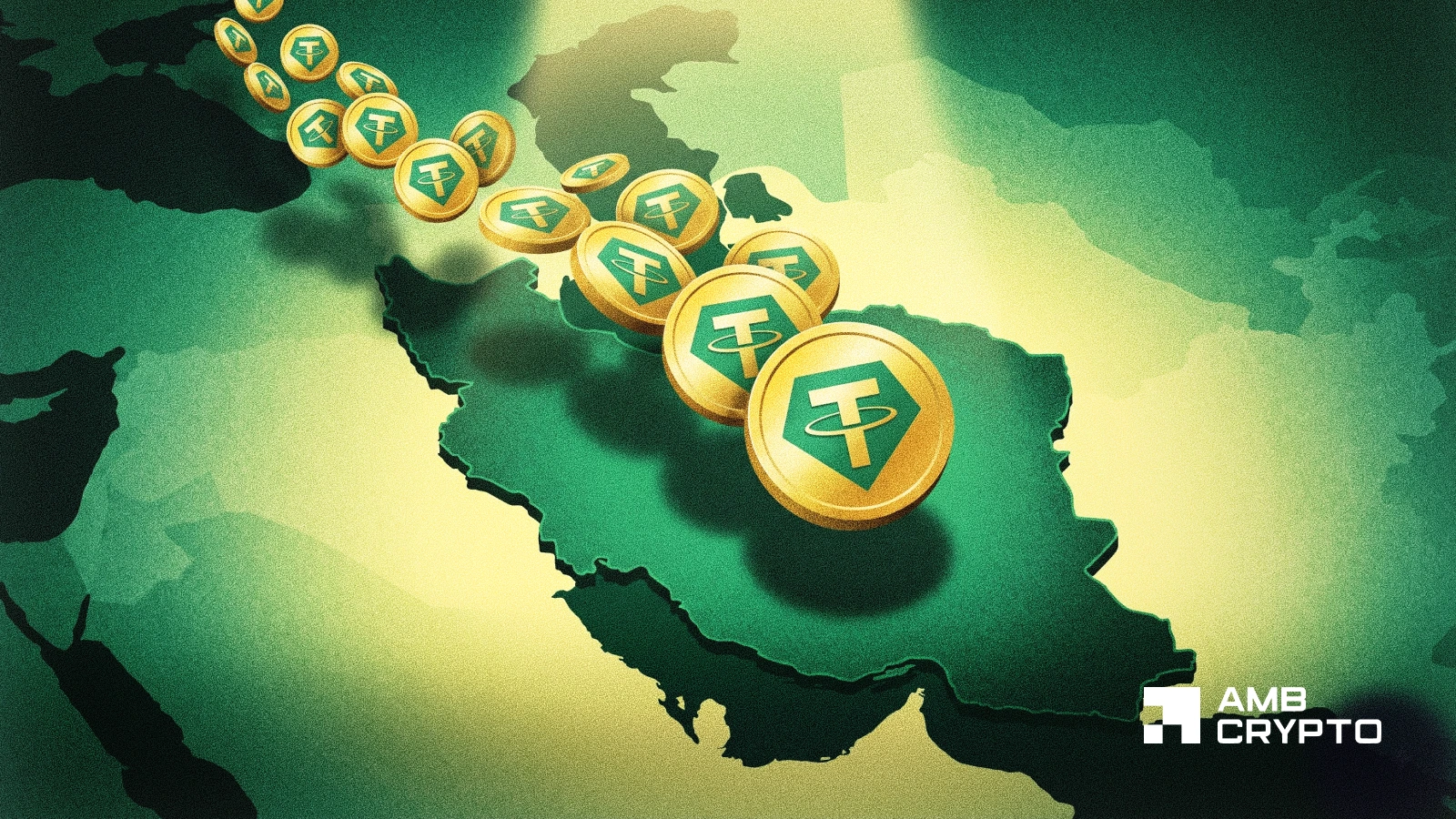
Tether freezes $550M Iran-linked USDT – Why enforcement is in focus
Tether's faces rising scrutiny as Iran-linked activity and faster payment infrastructure expand compliance challenges.

Quack AI Token Falls 29.75% in 24 Hours to 0.02 USDT Low
Q traded at 0.022 USDT after touching its intraday low, marking a sharp decline for the token on Sept. 29.




