


Tether
Crypto News: US Freezes $130M in Iran-Linked USDT Wallets
The United States froze more than $130 million worth of USDT held in four Tron wallets linked to Iran's Central Bank.

Tether CEO: ‘Demand for dollar settlement is a wages story' – $7M Pact Labs investment proves it
Tether expands stablecoin payments as compliance and infrastructure drive institutional adoption.
U.S. Treasury Sanctions Crypto Addresses Linked to Cuba, Tether Freezes $131 Million USDT
The U.S. Treasury has expanded its sanctions net into crypto, adding dozens of addresses across multiple blockchains linked to Cuba-related entities—an escalation that comes as broader geopolitical risks, from the Middle East to regulatory battles in Washington, continue to shape market sentiment. On Wednesday UTC, the Treasury Department's Office of Foreign Assets Control (OFAC) added a range of cryptocurrency addresses to its sanctions list, according to PANews.
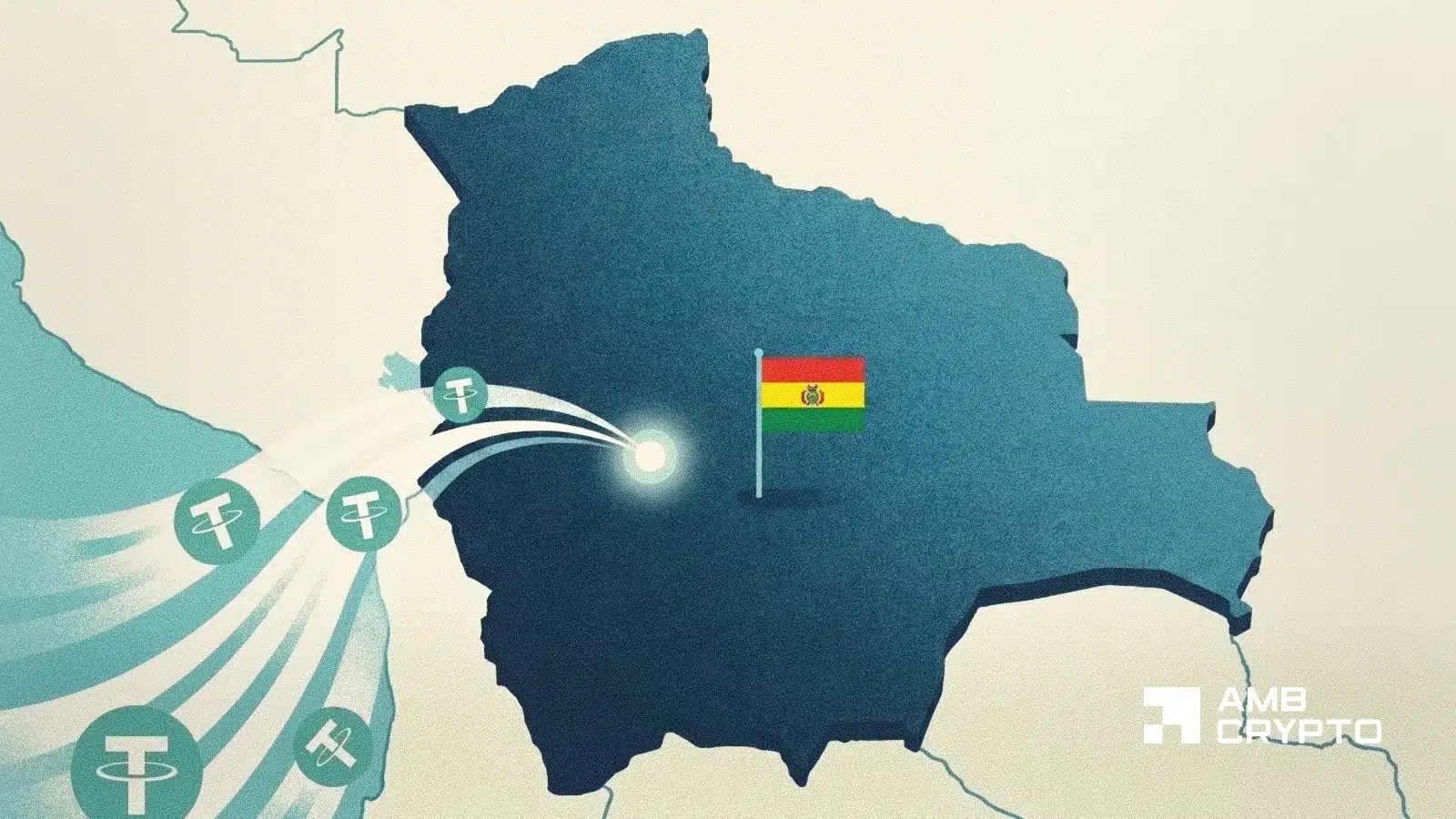
Bolivia includes USDT in payment systems – Tether CEO hails ‘cornerstone'
The shift follows the government's softer stance on crypto since 2025.

Tether leads $7M Series A in Pact Labs to expand USA₮ into payroll and payments
Tether's investment in Pact Labs could accelerate USA adoption, but hinges on regulatory clarity and competition from established players. Tether leads $7M Series A in Pact Labs to expand USA₮ into payroll and payments.

Bolivia Weighs Folding Tether's USDT Into Its National Payments System
A prolonged dollar shortage is pushing the once crypto-averse government to consider bringing the largest stablecoin into its formal payments system.
Bolivia Eyes Official USDT Recognition to Combat Currency Crisis
Bolivia's government is exploring a regulatory pathway that would grant Tether's USDT formal recognition as an accepted payment instrument, positioning the stablecoin alongside both the boliviano and American dollar within the nation's monetary framework.

Bolivia Evaluates Integrating USDT Into Its National Financial System Following Crypto Ban Reversal
During a press conference, Jose Gabriel Espinoza, the Minister of Economy and Public Finance of Bolivia, stressed that the government was evaluating the inclusion and circulation of the USDT stablecoin in the national payment system, allowing its use to pay debts.
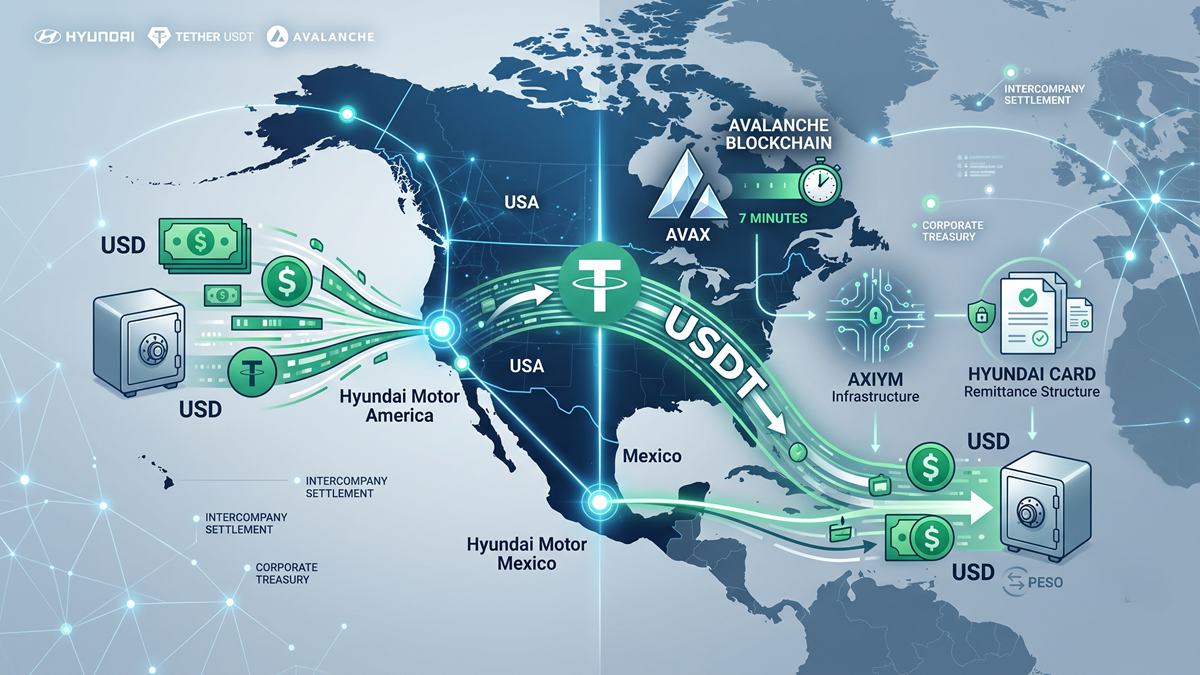
Hyundai Executes a High‑Impact Cross‑Border Treasury Transfer Using Tether's USDT
Amount and duration: The corporate pilot settled an intercompany payment of $20,000 in an estimated time of seven minutes. Infrastructure used: The operation was processed through the Avalanche blockchain network and the settlement platform of the firm Axiym. Market growth: The total capitalization of stablecoins rose to $312.
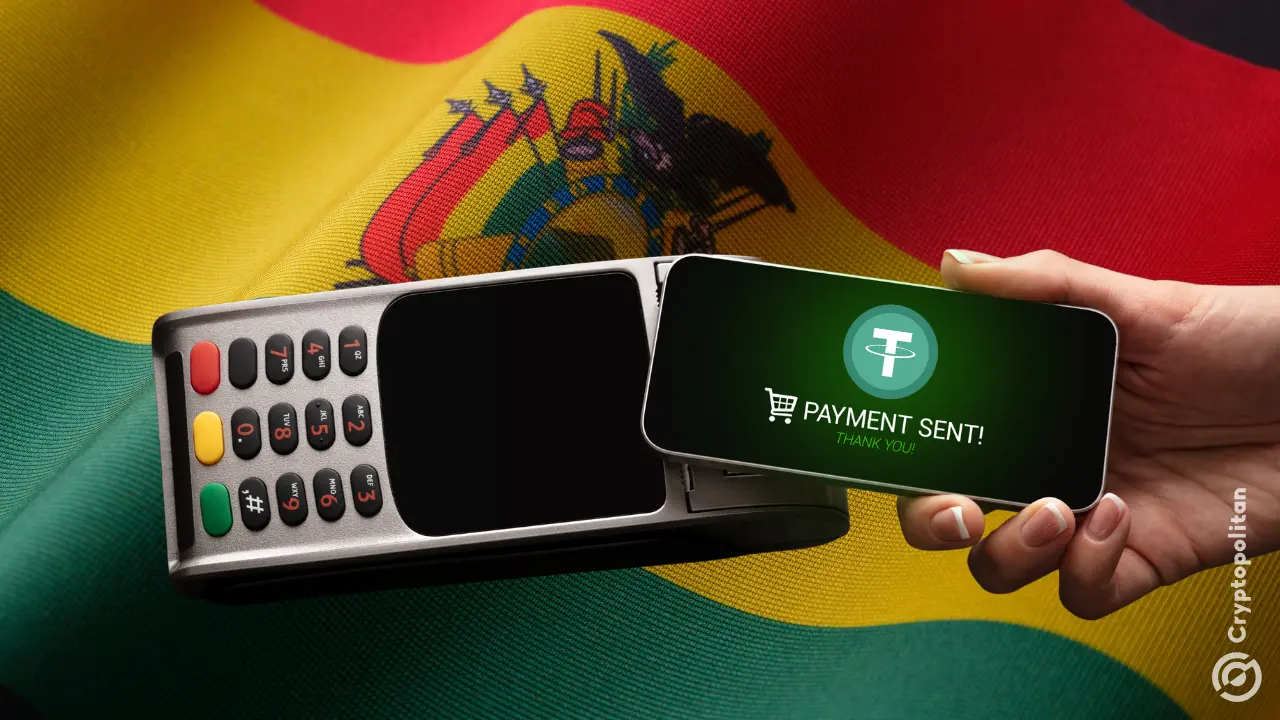
Tether's USDT to gain more prominence in Bolivia as government mulls recognition
Bolivia is considering adding Tether's USDT stablecoin to its official payments system. Economy Minister José Gabriel Espinoza confirmed today that the government is looking into whether USDT could be approved as a payment option, along with the boliviano and the US dollar.

Bolivia mulls recognizing USDT as payment currency amid dollar shortage
As foreign currency reserves remain under pressure, Bolivia is considering a framework to let the world's largest stablecoin be used for payments, savings and trade.
Bolivia Reviews USDT Role Alongside Boliviano and Dollar
Bolivia considers USDT payments alongside the boliviano and dollar while regulators prepare strict controls for banks and wallets.


