









Could Investing $25,000 in the Vanguard S&P 500 ETF Make You a Millionaire?
Things are happening fast in today's world. Artificial intelligence (AI) has become a central driver for the U.S. stock market.

S&P 500 Index Funds Yield Just 1.2%. Here Are 3 Better Ways to Generate Passive Income From Stocks.
The composition of the S&P 500 changes over time as companies rise and fall in value. Today, technology-focused companies dominate the index.
Why VOO Investors Should Keep Calm Despite AI Stock Turbulence
The AI-driven market surge has hit troubled times and JPMorgan analyst Jason Hunter is telling investors to be cautious.

Is This Simple Index Fund a Millionaire Maker?
The Vanguard S&P 500 ETF (VOO -0.30%) is one of the market's most popular exchange-traded funds (ETFs). It tracks the S&P 500 (^GSPC -0.29%) market index with pinpoint precision and minimal fees.

2 ETFs to Buy in 2025 and Hold Forever
Exchange-traded funds (ETFs) have been around for about three decades, but they've grown in popularity in recent years. They trade on the market, so they're much easier to invest in than traditional mutual funds, and they often come with low expense ratios instead of high management fees.
The Best Vanguard Index ETF to Invest $200 in Right Now
If you're new to investing and don't have a lot of money to get started, don't fret. The best place for new investors to begin is often with exchange-traded funds (ETFs), which will give investors instant diversification through a portfolio of stock holdings.

2 Magnificent Vanguard ETFs I'm Buying and Holding for Decades
If you're looking for a simple way to generate wealth in the stock market with little effort, you can't go wrong with an exchange-traded fund (ETF).

The S&P 500 (VOO) Did Something It Hasn't Done Since the Late '90s, and Now It's Getting Close to the Ledge
[00:00:04] Lee Jackson: Okay, let's do, back to back 20 percent plus years on the S& P 500 and, you know, are we getting close to the ledge?
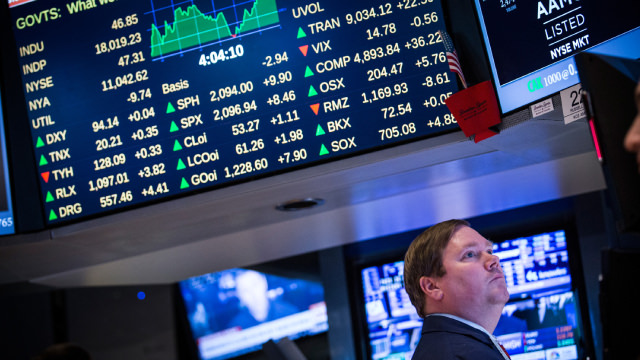
The best S&P 500 ETF to buy now with $1,000
In the vaguest of senses, investing $1,000 in the benchmark S&P 500 stock market index at the very start of 2024 would have, by the year's end, proven a wildly profitable maneuver. Indeed, a January 2 investment would have, by December 31, appreciated 23.31% to a hefty $1,233.10.

The Best S&P 500 ETF to Invest $500 In Right Now
The S&P 500 had a fantastic 2024, roaring into a bull market and going on to deliver a 23% gain. And that's after already climbing in the double digits the previous year.

VOO: Major Upcoming Catalysts, Why The S&P 500 May Stay Rangebound
I maintain a hold rating on VOO due to mixed economic signals and potential volatility from upcoming Q4 earnings reports and macroeconomic data. Key economic indicators to watch include CPI, PPI, and retail sales, which could influence market sentiment and interest rate expectations. The strong US dollar poses an earnings risk for multinational companies, affecting the S&P 500's overall performance due to currency fluctuations.




