



Volkswagen AG Unsponsored ADR (VWAGY)


Volkswagen prepares to halt production of key models amid chip supply crunch, Bild reports
Volkswagen is preparing to suspend production of major models, including the Golf at its Wolfsburg plant, due to shortages in semiconductor supplies, Bild reported on Tuesday, citing sources in the supplier industry.

Volkswagen: Catalysts, Risks, And A Valuation That's Hard To Ignore
Volkswagen is reiterated as a Buy due to attractive valuation and turnaround potential despite recent stock declines and macro headwinds. VW faces challenges from weak EV demand, Chinese competition, US tariffs, and higher input costs, but is undergoing cost-controlling initiatives to improve margins. Rate cuts and economic recovery could be significant catalysts for VW, though ongoing tariff uncertainty and global competition add risk and near-term volatility.
Volkswagen shares up as investors reassured in pre-close call
Shares in Volkswagen were trading 1.2% higher after markets opened on Tuesday, as the German automaker appeared to reassure investors over headwinds from tariffs and weakness in its luxury brands before releasing third-quarter results.
Volkswagen's third-quarter sales lifted by Europe and EVs
Volkswagen Group reported a 1% increase in third-quarter global deliveries on Friday as new models helped sales in Western Europe.
Opinion | Volkswagen Gets What It Paid For
VW welcomed the union last year and now faces a costly work stoppage.
Volkswagen: Guidance Cut After P911 Profit Warning
Volkswagen completed a full margin reset following P911's profit warning, incorporating the impact of higher tariffs and Traton's latest guidance cut. Volkswagen cut its Fiscal Year 2025 EBIT margin outlook to 2–3%, but DPS will be supported by excluding P911 impairment. Near-term EPS is depressed at €6.4, but we are looking at a 2026 recovery case.
VW CEO says group is "offering huge investments in the U.S."
Volkswagen CEO Oliver Blume tells CNBC's Annette Weisbach that the group hopes major investments into the American market will help it negotiate with the U.S. government.
Volkswagen CEO: tariffs have cost group billions so far
U.S. tariffs have cost Volkswagen , Europe's largest carmaker, billions of euros so far, its chief executive said on Monday, adding that its key brand Porsche was being squeezed in a "sandwich" of duties and a weak Chinese market.
Will VWAGY's Backing Turn QS Into a Battery Powerhouse?
Volkswagen's partnership with QuantumScape and milestone-based funding could extend QS' runway and accelerate solid-state battery scaling.
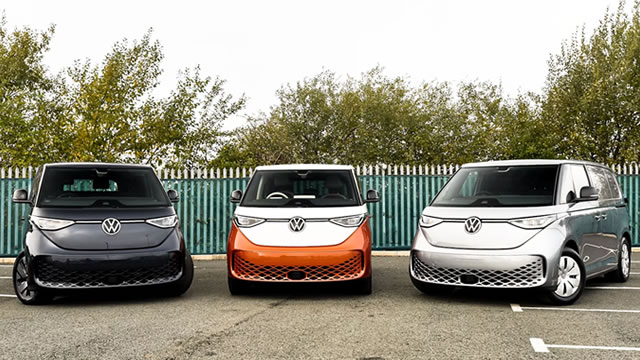
Volkswagen: Financial Prospects Improving As CEO Fights To Minimize Tariff Impact
Volkswagen AG faces major headwinds from U.S. tariffs and a sharp market share decline in China, impacting recent financial performance. Management is pursuing a $10B U.S. investment and local Audi production to reduce tariffs and improve competitiveness against Mercedes and BMW. Despite strong profitability and valuation metrics, weak growth, electrification struggles, and recent negative credit outlooks temper the investment case.

Trump's EU Trade Deal Thumps Volkswagen, BMW Stocks. What It Means for GM, Ford.
Auto tariffs are lower for Japan and the EU. Now Ford and GM await a U.S. deal with Mexico and South Korea.
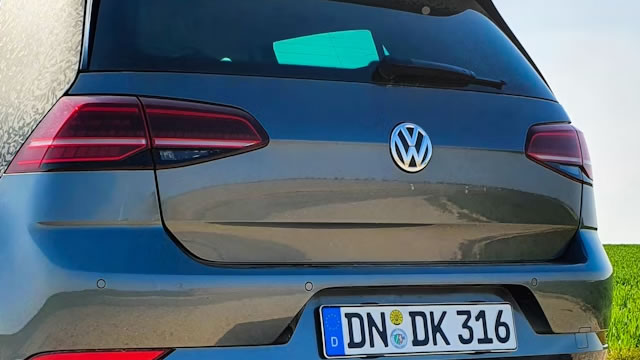
VW's Skoda posts 12% profit rise in H1 as electric sales grow
Skoda Auto, a Volkswagen unit, increased the share of electric vehicles in its sales mix in the first half of the year and posted a nearly 12% rise in operating profit to 1.3 billion euros ($1.52 billion), it said on Monday.




