



iShares Global Timber & Forestry ETF (WOOD)
 NASDAQ (NMS) NASDAQ (NMS) Primary
  XBER
XBER Summary
WOOD Chart

WOOD: Outperformance Unlikely Due To Structural Weakness In Timber Industry
iShares Global Timber & Forestry ETF (WOOD) has underperformed, with a 12% loss versus a 29% S&P 500 gain over two years. Ongoing structural weaknesses in the timber industry and a lack of historical compounding make WOOD unattractive versus broad market benchmarks. Within WOOD's holdings there is a degree of dilution of pure timber exposure, with significant allocations to packaging and materials sectors beyond forestry.
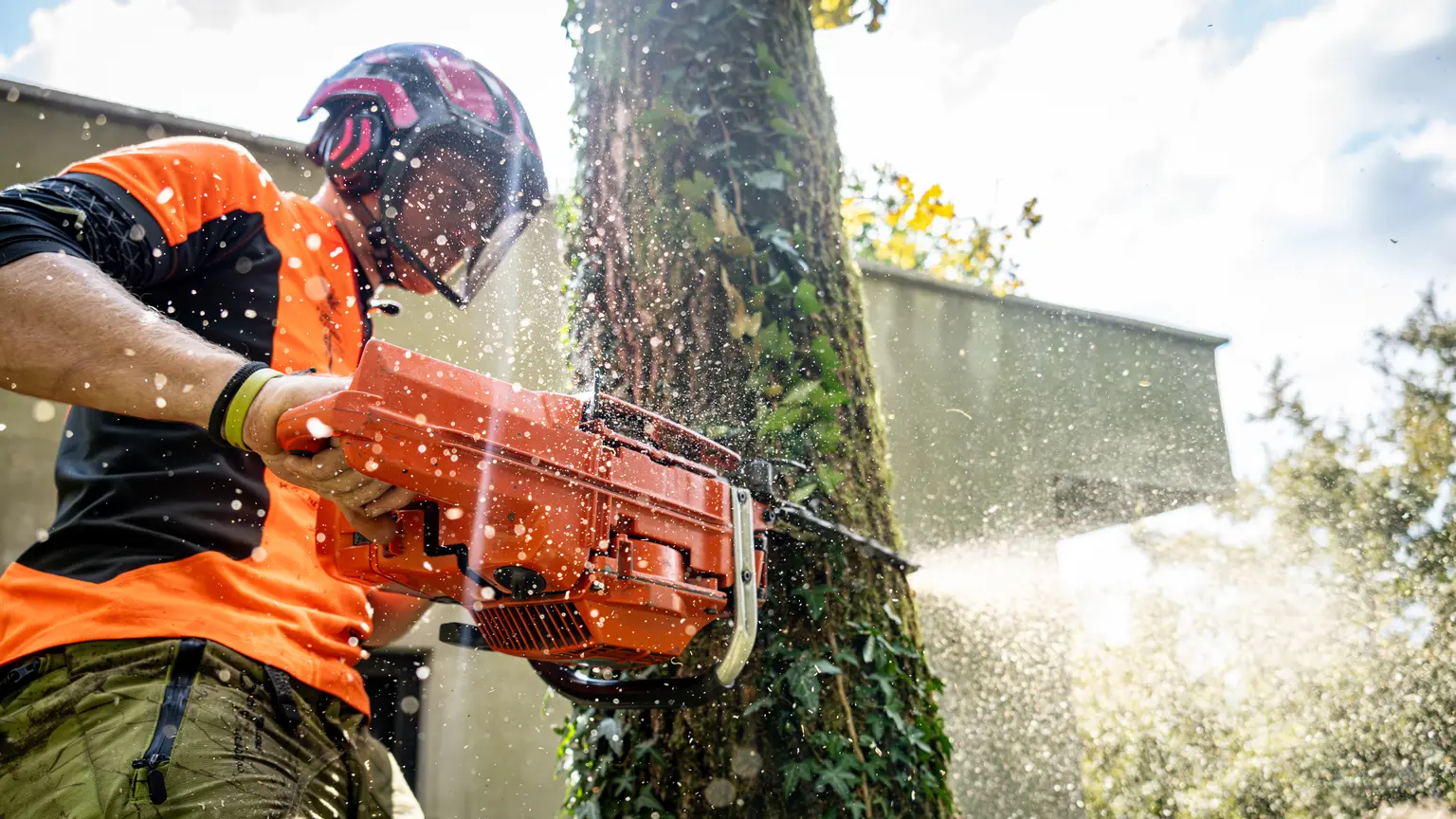
Timber ETFs: WOOD's Growth Potential Vs. CUT's Defensive Position
Timber ETFs: WOOD's Growth Potential Vs. CUT's Defensive Position
Lumber Prices And WOOD
WOOD ETF offers a favorable risk-reward setup, with technical support at $66.25 and stops recommended below $65 per share. Lumber futures have outperformed WOOD in 2025, but WOOD remains a strong proxy for lumber exposure, especially after recent price weakness. Bullish factors include lower inflation, potential rate cuts, and increased wood demand from rebuilding efforts; bearish risks stem from high U.S. debt and elevated rates.
iShares Global Timber & Forestry ETF Investors
| Name | Quantity | Cost | Value | Profit ($) | Gain (%) |
|---|---|---|---|---|---|
| PB Patricia Buchholtz ECLECTIC ASSOCIATES Inc. /ADV | 14,048 | $996,206.49 | $939,389.76 | -$56,816.73 | -5.7% |
| NA Nizar Araji National Bank Of Canada /FI/ | 193 | $15,690.9 | $12,855.73 | -$2,835.17 | -18.07% |
 Katie Smith Delos Wealth Advisors LLC | 30 | $2,200.8 | $2,007 | -$193.8 | -8.81% |
 Kimberly Cappellano Private Wealth Asset Management LLC | 350 | $25,676 | $23,304.75 | -$2,371.25 | -9.24% |
 Chad Kelley Alliance Wealth Advisors LLC /UT | 25,315 | $1.68M | $1.7M | $18,386.55 | 1.1% |
iShares Global Timber & Forestry ETF (WOOD) FAQ
What is the stock price today?
On which exchange is it traded?
What is its stock symbol?
Does it pay dividends? What is the current yield?
What is its market cap?
Has iShares Global Timber & Forestry ETF ever had a stock split?
iShares Global Timber & Forestry ETF Profile
| NASDAQ (NMS) Exchange | US Country |
Overview
The described fund is a financial instrument that focuses heavily on investing in an index by allocating at least 80% of its assets towards the component securities that form the foundation of this index. The aim is to mirror the economic characteristics of these securities as closely as possible. In an effort to enhance its portfolio or manage risk, the fund reserves the right to invest up to 20% of its assets in derivatives such as futures, options, and swap contracts, in addition to maintaining liquidity through cash and cash equivalents. Notably, the fund adopts a non-diversified investment approach, indicating a concentrated investment strategy in fewer securities, which could imply higher risk and potentially higher returns compared to diversified funds.
Products and Services
- Component Securities Investment
The fund primarily commits a significant portion (>80%) of its investments to the securities that constitute the index it tracks. This approach seeks to emulate the performance of the index, targeting investments that exhibit similar economic characteristics to these securities.
- Derivative Investments
Up to 20% of the fund's assets may be allocated to derivatives, including futures, options, and swaps. This strategic investment in derivatives is designed to potentially enhance portfolio returns, hedge against market volatility, or optimize asset allocation, contributing to the fund's overall investment strategy.
- Cash and Cash Equivalents
As part of its liquidity strategy, the fund invests in cash and cash equivalents. This not only provides the flexibility to quickly react to market opportunities or obligations but also serves as a risk management tool to buffer against market downturns or unexpected liquidity needs.
Contact Information




