



Universal Health Realty Income Trust (WY8)
 XDUS
XDUS 
Summary
WY8 Chart

Universal Health Realty Income Trust (UHT) Shareholder/Analyst Call Prepared Remarks Transcript
Universal Health Realty Income Trust (UHT) Shareholder/Analyst Call Prepared Remarks Transcript
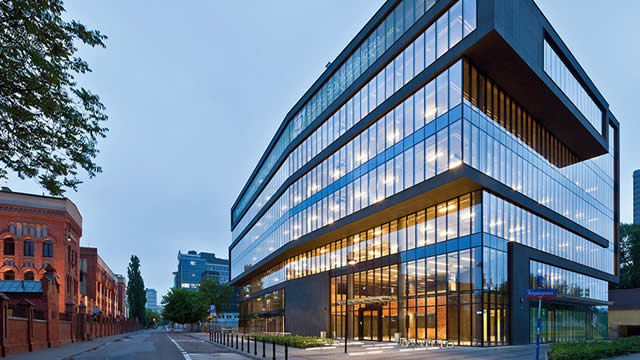
A 38-Year Dividend Streak Looks Solid, Until You Check the Balance Sheet
Universal Health Realty Income Trust ( NYSE:UHT ) has delivered an unbroken streak of quarterly dividend increases spanning over three decades.

Reviewing Universal Health Realty Income Trust (NYSE:UHT) and EastGroup Properties (NYSE:EGP)
Universal Health Realty Income Trust (NYSE: UHT - Get Free Report) and EastGroup Properties (NYSE: EGP - Get Free Report) are both finance companies, but which is the better business? We will compare the two businesses based on the strength of their valuation, risk, earnings, profitability, institutional ownership, dividends and analyst recommendations. Earnings and Valuation This table
Universal Health Realty Income Trust (WY8) FAQ
What is the stock price today?
On which exchange is it traded?
What is its stock symbol?
Does it pay dividends? What is the current yield?
What is its market cap?
Has Universal Health Realty Income Trust ever had a stock split?
Universal Health Realty Income Trust Profile
| Health Care REITs Industry | Real Estate Sector | Alan Miller CEO | XDUS Exchange | US91359E1055 ISIN |
| US Country | - Employees | 21 Sep 2026 Last Dividend | - Last Split | 5 Nov 1987 IPO Date |
Overview
Universal Health Realty Income Trust is a real estate investment trust (REIT) that specializes in the healthcare and human service sectors. This organization is dedicated to investing in a vast array of facilities that are essential to the delivery of healthcare and human services, including various types of hospitals, medical/office buildings, emergency departments, and childcare centers. With investments in seventy-one properties across twenty states, including two that are in the process of construction, Universal Health Realty Income Trust plays a crucial role in supporting the infrastructure of the healthcare and human services industries across the United States.
Products and Services
- Acute Care Hospitals
- Rehabilitation Hospitals
- Sub-Acute Care Facilities
- Medical/Office Buildings
- Free-Standing Emergency Departments
- Childcare Centers
Facilities that provide short-term medical treatment for patients with severe injuries or illnesses, emergency medical conditions, urgent surgeries, or during recovery from surgeries.
Specialized healthcare facilities focused on providing intensive rehabilitative care to patients recovering from illness, surgery, or injury to restore function, reduce symptoms, or improve the well-being of patients.
These facilities serve patients needing more care than what is typically provided at home or in long-term care facilities, but less than what is required in acute care hospitals, often including comprehensive therapy and nursing care.
Real estate properties designed to house practices and offices of medical professionals, clinics, and healthcare services, providing spaces optimized for the delivery of healthcare services.
Dedicated emergency care facilities that operate independently of hospitals, providing immediate care for acute health conditions and emergencies.
Facilities that provide care and supervision of children in a professional setting, catering to working parents and guardians, and included in the portfolio to support the family lives of those who work in healthcare.
Contact Information




